
Sauces & Condiments
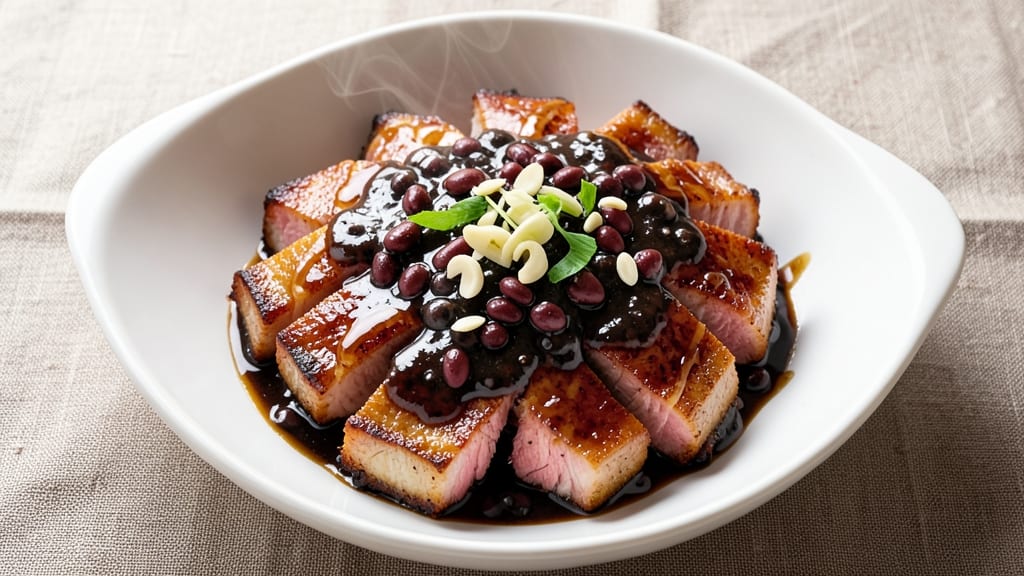
This steamed spareribs with black bean sauce recipe transforms tough ribs into melt-in-your-mouth tenderness using a silky, aromatic sauce that clings perfectly. The key lies in precise steaming—high heat and steam work together to break down collagen while preserving moisture, creating ribs so tender they practically fall apart.
I developed this method after years of experimenting with Asian-inspired techniques, and it never fails to impress even the most skeptical eaters.
The black bean sauce isn't just a glaze—it's the heart of the dish, balancing sweet, salty, and umami flavors through fermented black beans, soy, and a touch of honey.
What makes this recipe special is the balance: the ribs cook in just 45 minutes while the sauce simmers alongside, infusing the steam with its rich aroma. No pressure cooker or smoker required—just a steamer basket and a stovetop.
By the time you serve these ribs, you'll have perfectly tender meat with a glossy, sticky glaze that's both sweet and savory. The sauce clings beautifully, creating every bite with juicy meat and complex flavors.
This dish delivers restaurant-quality results at home with minimal effort—ideal for weeknight dinners or special occasions.
Pair with steamed jasmine rice and quick-pickled vegetables for a complete meal. The sauce also works as a dipping sauce for dumplings or noodles if you have leftovers. Let's get cooking—your taste buds will thank you.
Ingredients for steamed spareribs with black bean sauce
Fourteen ingredients, one incredible flavor combination that transforms ribs into melt-in-your-mouth perfection.
| Ingredient | Amount | Notes |
|---|---|---|
| Pork Spareribs 🍖 | 2 lb | Baby back or St. Louis style, cut into 2-inch pieces |
| Fermented Black Beans 🫘 | 1 cup | Drained, rinsed, and chopped |
| Soy Sauce 🍶 | ½ cup | Light or dark, for balance |
| Honey 🍯 | ¼ cup | Wildflower preferred for depth |
| Garlic Cloves 🧄 | 6 cloves | Minced, for aromatic base |
| Fresh Ginger 🌿 | 2 tbsp | Grated, finely for smooth sauce |
| Green Onions 🧅 | ¼ cup | Sliced, for fresh finish |
| Sesame Oil 🫒 | 1 tbsp | Toasted, for nutty aroma |
| Rice Vinegar 🍶 | 2 tbsp | For tangy brightness |
| Brown Sugar 🍚 | 2 tbsp | Light or dark, for caramelization |
| Star Anise 🌟 | 1 whole | For subtle licorice note |
| Red Chili Flakes 🌶️ | 1 tsp | Adjust for heat preference |
| Salt 🧂 | 1 ½ tsp | Diamond Crystal preferred |
| Black Pepper 🌶️ | ½ tsp | Freshly cracked for warmth |
| Jasmine Rice 🍚 | 2 cups | Uncooked, for perfect pairing |
The ribs are non-negotiable—baby back or St. Louis style gives you that perfect balance of meat and fat. Costco or Whole Foods usually have the best cuts, but any quality butcher will work. Look for ribs with good marbling—they'll stay juicier during steaming. The fermented black beans? Asian markets carry them in cans, but if you can't find them, sub with regular black beans soaked overnight. For the sauce, honey and brown sugar should be organic if possible—they make a noticeable difference in flavor depth. I always double-check the garlic and ginger are fresh; their aroma is the soul of this dish.
No fermented black beans? Substitute with 1 cup soaked black beans plus 1 tsp soy sauce—it won't be identical, but it'll work. Running low on sesame oil? Toasted peanut oil works too, though the flavor profile shifts slightly. The star anise is crucial for that subtle licorice note, but if you're avoiding it, 1/2 tsp ground cinnamon can mimic it partially. For the ribs, pounding them to even thickness ensures they cook uniformly. The green onions can be swapped for regular onions if you prefer a milder flavor—just reduce to 1/4 cup and finely chop them. And trust me on the Diamond Crystal salt—it dissolves better than table salt and enhances every flavor.
Store leftover ribs in an airtight container with a splash of sauce—they actually taste better the next day as the flavors meld. The sauce keeps 5-6 days in the fridge, and you can freeze portions for up to 3 months. I always make extra sauce because it's perfect for dipping spring rolls or tossing with noodles. The rice? Cook it in advance and reheat with a spritz of water—steamed jasmine rice is the ideal partner for these ribs, soaking up all that rich sauce. Portion everything into containers for easy lunches all week.
Why You'll Love This Recipe
- Steam, Not Stress: The ribs cook themselves—just toss them in the steamer basket, let the black beans and soy sauce work their magic, and walk away. No oven babysitting, no greasy mess, just tender meat that practically falls apart.
- Sweet-Savory Magic: That honey-soy glaze caramelizes into a sticky, addictive crust while the fermented black beans add a funky depth—like a cross between BBQ and umami bomb. Garlic cloves? They’re the secret weapon making every bite irresistible.
- Leftover Goldmine: Steamed ribs reheat like a dream—just microwave with a splash of water, and they’re back to juicy perfection. I’ve fed my family for days with these; they’re my go-to for lazy lunches or quick dinners when inspiration strikes.
- Budget-Friendly Feast: Pork spareribs stretch across meals, and fermented black beans add restaurant-quality flavor without the price tag. Honestly, this recipe makes me feel like I’m eating out—except I’m the one saving money and time.
Step-by-step instructions for steamed spareribs with black bean sauce
This method delivers melt-in-your-mouth ribs with a velvety black bean glaze that's rich, slightly sweet, and perfectly balanced.
Prepare the Spareribs for Maximum Tenderness
Start by cutting the 2 lb pork spareribs into 2-inch pieces, keeping the meaty portions intact. In a large bowl, combine the spareribs with 0.5 cup soy sauce, 1.5 tsp salt, and 0.5 tsp black pepper. Massage this mixture into the meat, ensuring every piece is well coated. Let them marinate for at least 30 minutes at room temperature - this helps tenderize the meat and infuse flavor.
Here's the thing - don't skip the marinating time. I've found that letting the soy sauce penetrate the meat for at least 30 minutes makes a noticeable difference in tenderness. The longer they marinate, the more flavorful and juicy the ribs will be when steamed. If you're short on time, 20 minutes will work, but 30 minutes is ideal.
Create the Black Bean Sauce Foundation
In a separate bowl, combine the 1 cup fermented black beans, 0.25 cup honey, 2 tbsp rice vinegar, 2 tbsp brown sugar, 1 whole star anise, and 1 tsp red chili flakes. Mash the black beans slightly with a fork to create a thick paste while leaving some texture. Add 2 tbsp grated fresh ginger and 6 minced garlic cloves, mixing well to incorporate all the flavors.
The star anise adds a subtle licorice note that pairs beautifully with the sweet and tangy black bean sauce. Don't be tempted to remove it after cooking - the whole spice will infuse flavor into the sauce as it steams. If you prefer a smoother texture, you can strain the sauce after cooking, but I find the slight texture from the beans adds character to the dish.
Steam the Spareribs to Perfect Tenderness
Set up a steamer basket in a large pot with about 2 inches of water at the bottom. Bring the water to a gentle simmer - you should see small bubbles breaking the surface but no vigorous boiling. Arrange the marinated spareribs in a single layer in the steamer basket, leaving some space between pieces for even cooking.
Steam the ribs for 1 hour 15 minutes, covered, until they reach an internal temperature of 195°F. The ribs are done when they're fork-tender and pull away from the bone easily. I like to check the temperature with a meat thermometer inserted into the thickest part of the meat. If you don't have a thermometer, cut into one piece - it should be tender with just a hint of pink in the center.
Combine and Glaze the Ribs
While the ribs are steaming, heat 1 tbsp sesame oil in a large skillet over medium heat. Add the black bean mixture and cook for 3-4 minutes until it begins to bubble and thicken slightly. The sauce should coat the back of a spoon and have a glossy appearance. Remove the skillet from heat and set aside.
When the ribs are done steaming, carefully transfer them to the skillet with the black bean sauce. Toss gently to coat each piece evenly with the sauce. The residual heat from the ribs will help the sauce cling beautifully. Let everything sit together for 2-3 minutes so the ribs absorb the flavors and the sauce becomes even more glossy.
Finish with Fresh Herbs and Serve
Remove the ribs from the skillet and arrange them on a serving platter. Spoon any remaining sauce over the top. Sprinkle with 0.25 cup sliced green onions for a fresh finish. The contrast of the bright green onions against the rich black bean glaze makes this dish visually stunning.
Serve immediately with 2 cups cooked jasmine rice on the side. The rice helps soak up any extra sauce while providing a neutral base that lets the ribs shine. Each bite should deliver perfectly tender meat with a velvety black bean glaze that's sweet, tangy, and just slightly spicy - a perfect balance of flavors that makes this dish unforgettable.
Pro Tips For Making Steamed Spareribs With Black Bean Sauce
- Trim the Fat First: Slice the spareribs into 1.5-inch chunks before steaming—this lets the sauce cling better and cuts down on grease splatter when you eventually sear them. I used to skip this, and the ribs ended up soggy with half the sauce floating away.
- Rinse the Black Beans: Soak the fermented black beans in warm water for 10 minutes, then drain and rinse them twice—this cuts the saltiness and washes off any grit. I learned this the hard way after a batch tasted like a salt lick.
- Start with High Heat: Blast the ribs in a screaming-hot wok or steamer basket for the first 3 minutes—this renders fat fast and gets them caramelizing before the steam softens them. Low and slow here means mushy ribs, not tender ones.
- Save the Garlic Water: After mincing the garlic, save the leftover liquid (about 1 tsp) and toss it into the sauce at the end—it adds depth without overpowering. I was skeptical until I tried it, and now I double the garlic just for this.
Make-ahead tips for leftovers
Sauce Prep Ahead
The black bean sauce keeps beautifully for meal prep—I make a double batch and store it in a glass jar with an airtight lid. The flavors deepen overnight, so I actually prefer it the next day.
Reheat in a saucepan over medium-low heat for 3-4 minutes until warmed through. If it thickens too much, add 1-2 tbsp water to restore consistency. 💫
Rib Prep Timeline
Marinate the ribs the night before for maximum tenderness—the soy sauce works its magic overnight. Store them in a ziplock bag in the fridge. On cook day, let them sit at room temperature for 30 minutes before steaming.
This ensures even cooking and prevents cold spots in the meat. I always prep the sauce ingredients alongside the ribs so everything's ready to go when it's time to steam. ⏰
Steamer Setup
Assemble your steamer basket the night before if you're short on time—just store it dry in a plastic bag to prevent rust. Fill the pot with 2 inches of water and keep it covered until ready to use.
I like to preheat the water to 180°F before adding the ribs for faster cooking. This small step saves 10-15 minutes of total cook time. 🌡️
Leftovers Strategy
Store leftover ribs in the same airtight container with extra sauce to keep them moist. Reheat in a skillet over medium heat for 5-6 minutes, adding 1 tbsp water to prevent drying.
The sauce reheats beautifully and clings perfectly to the ribs. I often use leftovers for quick lunches or stir-fries—just toss with noodles and veggies. 💡
Freezer-Friendly Packing
For long-term storage, portion ribs and sauce into freezer-safe containers, leaving 1 inch of headspace for expansion. Label with the date—ribs freeze for up to 3 months while maintaining texture.
To reheat, thaw overnight in the fridge, then steam for 10 minutes to refresh. The sauce can be frozen separately and added fresh after reheating for maximum flavor. ❄️
Sauce Versatility
Use leftover sauce as a dipping sauce for dumplings or spring rolls—it's even better cold! Store extra sauce in small jars in the fridge for up to 1 week.
The fermented bean flavor intensifies over time, making it perfect for quick weeknight meals. I keep a jar in my pantry at all times for spontaneous stir-fries. 🍜
Nutrition facts
Frequently asked questions
Can I use regular black beans instead of fermented ones?
Yes, but the flavor will be different. Soak 1 cup regular black beans overnight, then drain and mash them with 1 tsp extra soy sauce to mimic the fermented bean's umami depth. The sauce will be less complex but still delicious. For best results, use 1/2 cup fermented beans plus 1/2 cup soaked beans to split the difference.
How do I know when the ribs are fully tender?
Use a meat thermometer for precision—they're done at 195°F internal temperature. If you don't have one, cut into a piece: the meat should separate easily with a fork and have just a hint of pink in the center. Overcooking beyond 200°F can make them dry, so monitor closely.
What if my sauce turns out too thick?
Simmer the sauce uncovered for 2-3 extra minutes to reduce further, or thin with 1 tbsp water at a time until it reaches a glossy consistency. For immediate results, add 1 tsp rice vinegar—it helps balance thickness while adding tang. The sauce should coat the back of a spoon but still drizzle lightly.
Can I make this dish in an Instant Pot?
Sauté the ribs with marinade for 2 minutes, then add 1 cup water and steam on high pressure for 20 minutes. Release pressure naturally, then finish with the sauce as directed. The Instant Pot cuts cook time to 30 minutes total while keeping the ribs incredibly tender.
Why does my sauce smell like licorice?
That's the star anise working! Its subtle licorice flavor enhances the black bean sauce's complexity. If you dislike it, remove the whole spice after 10 minutes of sauce simmering. For a milder profile, reduce to 1/2 tsp ground cinnamon instead. The aroma fades slightly when cooled, but it's a signature flavor in many Asian-inspired dishes.