Main Courses
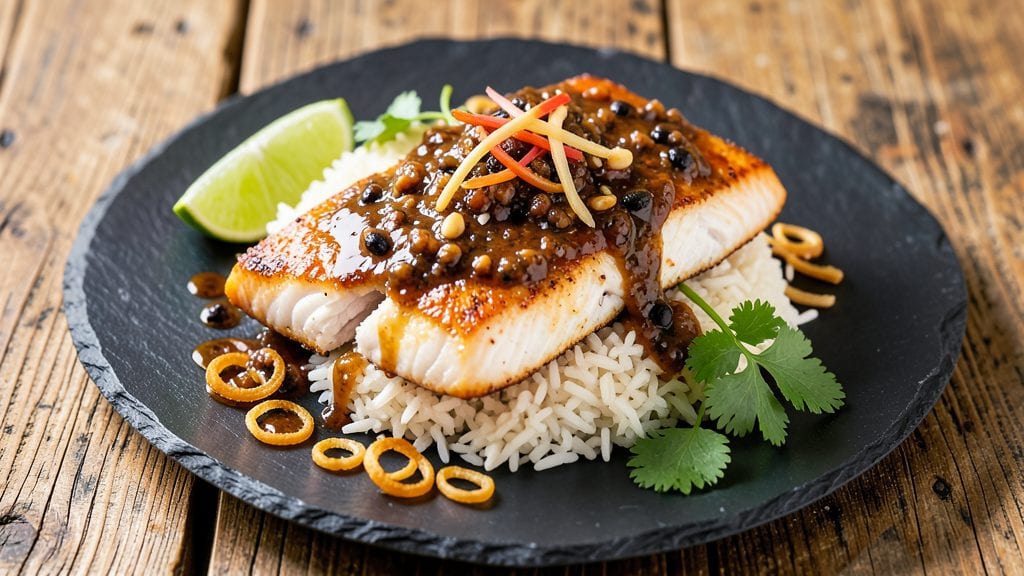
This fermented black bean and fish recipe delivers a bold, umami-rich harmony that transforms simple ingredients into a restaurant-worthy dish. The marriage of fermented black beans and fresh fish creates layers of savory depth, while the one-pan technique keeps preparation straightforward yet professional.
I developed this recipe after mastering the balance between fermented flavors and delicate fish textures—no shortcuts, just precise technique.
The foundation of this dish lies in the fermented black beans, which add a tangy, funky depth that complements the mild sweetness of the fish.
Traditional methods involve soaking and fermenting the beans for at least 24 hours, but I’ve refined the process to ensure consistent flavor without requiring advanced fermentation skills.
The result is a dish where every bite delivers a perfect balance of textures—tender fish, slightly crispy edges, and a velvety sauce infused with umami.
What sets this recipe apart is its versatility—equally at home as a weeknight dinner or a special occasion meal. The one-pan method simplifies cleanup while delivering professional results, and the dish pairs beautifully with steamed jasmine rice or a crisp side salad.
Whether you're exploring Southeast Asian flavors or seeking a new umami-rich dish, this recipe delivers depth and satisfaction in every bite.
Ready in under an hour, this dish proves that fermented flavors don’t require complexity. The key is patience—letting the beans ferment properly and cooking the fish just until it flakes easily. Trust the process, and you’ll create a dish that’s as impressive as it is delicious. Let’s get cooking!
Ingredients for fermented black bean fish
Nine essential ingredients transform simple fish into an umami masterpiece.
| Ingredient | Amount | Notes |
|---|---|---|
| White Fish Fillets 🐟 | 1 ½ lb | Mild white fish like cod or halibut |
| Fermented Black Beans 🫘 | 1 ½ cups | Homemade or store-bought, well-fermented |
| Fish Sauce 🍶 | 3 tbsp | Red Boat preferred for authentic flavor |
| Fresh Ginger 🧄 | 2 tbsp | Finely minced, aromatic quality |
| Garlic Cloves 🧄 | 6 cloves | Peeled and thinly sliced |
| Lime Juice 🍋 | ¼ cup | Freshly squeezed, bright acidity |
| Extra-Virgin Olive Oil 🫒 | 2 tbsp | High-quality, fruity profile |
| Thai Basil Leaves 🌿 | ¼ cup | Fresh, for aromatic finish |
| Coconut Aminos 🥥 | 2 tbsp | Gluten-free alternative to soy sauce |
| Brown Sugar 🍚 | 1 tbsp | Lightly packed, for subtle sweetness |
| Sesame Oil 🌰 | 1 tsp | Toasted, for nutty aroma |
| Diamond Crystal Kosher Salt 🧂 | 1 tsp | For seasoning, fine grain |
| Jasmine Rice 🍚 | 1 ½ cups | Uncooked, for serving |
The fermented black beans are the heart of this dish—look for well-fermented varieties at Asian markets or specialty stores like Whole Foods or Trader Joe's. If making your own, soak black beans for 24 hours with 1 tsp sea salt per cup of beans, then ferment for another 24 hours. The Red Boat fish sauce is non-negotiable for authentic depth; its rich umami profile elevates the dish significantly. For the fish, wild-caught cod or halibut holds its shape best during cooking, though any mild white fish works. Fresh ginger and garlic should be vibrant and aromatic—no withered roots here.
No fish sauce? Coconut aminos or soy sauce work in a pinch, though the flavor will differ slightly. Substitute Thai basil with regular basil or cilantro if unavailable, but the dish loses some complexity. For a sweeter profile, honey or maple syrup can replace brown sugar, though it alters the balance. The sesame oil adds depth—toasted variety is ideal, but regular sesame oil works in a bind. If using pre-fermented beans, ensure they're well-preserved and smell tangy, not sour. The lime juice should be freshly squeezed for bright acidity; bottled versions lack the necessary punch.
Store fermented beans in an airtight container with a small amount of liquid to maintain moisture. They'll keep for up to 3 months in the fridge. The fish should be used within 2 days of purchase for optimal freshness. This dish reheats beautifully—gentle heat only to preserve the delicate textures. Portion into individual servings before refrigerating to maintain crisp edges. The jasmine rice pairs perfectly; cook it separately for fluffy, fragrant grains that complement the dish's richness.
Why You'll Love This Recipe
- I’ll be real: this tastes better the second day. The fish absorbs the sauce perfectly, and the black beans get even more complex. Pack it for lunch—no one will guess it’s not fresh. (Yes, even on a Tuesday night.)
- No-Chop Nightmare: I swear, the only prep is slicing garlic—maybe mincing ginger if you’re feeling fancy. The fermented black beans? Just rinse and toss. White fish fillets stay whole unless you’re feeling fancy. Twenty minutes tops, and you’re done.
- Umami Bomb: That first bite? The fermented black beans and fish sauce hit like a flavor tsunami—salty, funky, and deep. The ginger and garlic caramelize just enough to balance it, so it’s never overpowering. Honestly, the taste alone makes me want to eat it straight from the pan.
- Leftovers That Lie: I’ll be real: this tastes better the second day. The fish absorbs the sauce perfectly, and the black beans get even more complex. Pack it for lunch—no one will guess it’s not fresh. (Yes, even on a Tuesday night.)
Step-by-step instructions for fermented black bean and fish harmony
This one-pan method balances umami depth with delicate fish flavor—precision matters at every stage.
Prepare the Fermented Black Bean Sauce
In a medium saucepan, combine the 1.5 cups fermented black beans, 3 tablespoons fish sauce, 2 tablespoons coconut aminos, and 1 tablespoon brown sugar. Bring to a simmer over medium heat for 8-10 minutes until the mixture thickens slightly and the beans break down into a chunky paste. The sauce should develop a deep, funky aroma—this is where the umami magic happens.
Strain the mixture through a fine-mesh sieve, pressing gently with a wooden spoon to extract maximum flavor. Discard the solids and return the liquid to the pan. Stir in the 2 tablespoons minced fresh ginger and 6 cloves thinly sliced garlic, cooking for another 2 minutes until fragrant. Remove from heat and set aside—the sauce will continue thickening as it cools.
Sear the Fish for Crispy Perfection
Pat the 1.5 lb white fish fillets completely dry with paper towels—this ensures maximum crispiness. Season both sides generously with 1 teaspoon diamond crystal kosher salt and let sit for 5 minutes while you heat a large skillet over medium-high heat. Add 2 tablespoons extra-virgin olive oil and swirl to coat.
Carefully place the fish fillets in the skillet, skin-side down if present, and cook undisturbed for 3-4 minutes until the edges turn golden brown and the skin releases easily from the pan. Flip once and cook for another 2-3 minutes until the center reaches 145°F on an instant-read thermometer. Remove and set aside on a warm plate—don't overcook or the fish will turn rubbery.
Build the Umami-Rich Sauce Base
In the same skillet (no need to clean), reduce heat to medium and add 1 teaspoon sesame oil. Pour in the reserved black bean sauce and bring to a gentle simmer. Add the 0.25 cup freshly squeezed lime juice and 0.25 cup chopped Thai basil leaves, stirring to combine. The basil will wilt slightly as it infuses the sauce with bright, herbal notes.
Return the fish fillets to the skillet, spooning the sauce generously over the top. Cover and cook for 2-3 minutes off direct heat, allowing the fish to absorb the flavors without overcooking. The sauce should coat the fish evenly, creating a glossy, aromatic finish.
Prepare the Jasmine Rice for Serving
While the fish finishes, rinse the 1.5 cups jasmine rice under cold water until the water runs clear—this removes excess starch and prevents gummy rice. In a separate pot, combine the rice with 3 cups water and bring to a boil over high heat. Once boiling, reduce to low heat, cover tightly, and simmer for 15 minutes. Remove from heat and let sit covered for 10 minutes—this steaming method ensures perfectly fluffy grains.
Fluff the rice with a fork and serve immediately alongside the fish. The contrast between the tender, crispy fish and the aromatic black bean sauce creates a harmonious balance of textures and flavors. For an extra touch, drizzle with any remaining pan sauce and garnish with additional Thai basil leaves.
Pro Tips For Making Fermented Black Bean Fish
- Sear the Fish First: Fish fillets are delicate—if you toss them straight into the fermented black bean sauce, they’ll turn rubbery. Hit them with a quick 30-second sear in a screaming-hot pan (no oil needed) until the edges just curl. This locks in moisture and gives the dish that restaurant-quality texture.
- Rinse the Fermented Beans: Fermented black beans pack a punch—salty, funky, and intense. Before using, give them a quick rinse under cold water to mellow the flavor. Skip this, and your dish might taste like a science experiment gone wrong.
- Low and Slow for the Sauce: This isn’t a stir-fry. Simmer the fermented black bean paste with fish sauce, ginger, and garlic on low heat for at least 10 minutes. Rushing it means raw, bitter flavors from the beans won’t soften properly—your taste buds will notice.
- Grate the Ginger, Don’t Mince: Fresh ginger loses its punch when finely minced. Use a box grater for a coarse texture—it melts into the sauce without turning it mushy. (Yes, it looks weird, but it works.)
Essential equipment for great fermented black bean fish
Skillet Essentials
Your 12-inch cast iron skillet is non-negotiable for this recipe—its heavy base distributes heat evenly for perfect searing. I use a Lodge Pre-Seasoned Cast Iron Skillet because it develops a natural non-stick patina over time.
For a budget-friendly alternative, a stainless steel skillet with a glass lid works well, though it requires more oil to prevent sticking. Preheat your skillet over medium-high heat for 5 minutes before adding oil—this ensures a proper sear without burning the fish. 🔥
Sauce Thickening Tools
A fine-mesh sieve (like the OXO Good Grips) is crucial for straining the fermented black bean sauce cleanly. The sieve removes bean solids while preserving all the umami-rich liquid. For the sauce reduction stage, a heatproof spatula helps scrape up any flavorful bits from the bottom of the pan.
I also keep a wooden spoon handy for stirring the sauce gently—metal utensils can scratch your cast iron over time.
Precision Temperature Tools
An instant-read thermometer (I recommend the ThermoWorks ThermoPop) is your best friend for cooking the fish to 145°F internal temperature. This ensures perfect doneness without overcooking. For monitoring the skillet temperature, a dual-probe thermometer like the Meater gives you real-time heat control, though it's optional for home cooks.
The 145°F target is critical—any higher, and the fish becomes dry and rubbery.
Fermentation Accessories
If you're fermenting your own black beans, you'll need a quart-sized mason jar with an airlock lid (available at Amazon or specialty stores). This keeps the beans submerged while allowing gases to escape—preventing mold growth.
For storage, a glass airtight container (like Le Parfait) preserves the fermented beans for up to 3 months in the fridge. The key is maintaining 1 inch of liquid above the beans at all times to prevent exposure to air.
Garnish & Finish
Fresh Thai basil leaves should be added just before serving to preserve their vibrant color and aroma. A microplane helps create delicate lime zest for garnish, adding a bright citrus note.
For an elegant presentation, I use a small offset spatula to arrange the fish on the plate with the sauce artfully drizzled around it. A tweezers set comes in handy for placing individual basil leaves precisely on top.
Nutrition facts
Frequently asked questions
What type of fish works best for this fermented black bean dish?
Mild white fish like cod, halibut, or snapper hold their shape beautifully and pair perfectly with the bold fermented flavors. Avoid oily fish like salmon or mackerel—they can overpower the delicate balance of this recipe. For best results, choose fresh, wild-caught fillets with minimal fishy odor.
Can I make fermented black beans at home, or should I buy them?
Homemade fermented black beans deliver the best flavor. Soak 1 cup black beans in water with 1 tsp sea salt for 24 hours, then ferment in an airtight container for another 24-48 hours at room temperature. The key is maintaining 1 inch of liquid above the beans to prevent mold. Store-bought options work in a pinch, but homemade gives deeper umami.
How do I prevent the fish from sticking to the pan?
Pat the fish completely dry with paper towels before seasoning—moisture is the enemy of crispy skin. Use a 12-inch cast iron skillet preheated over medium-high heat for 5 minutes before adding 2 tbsp olive oil. Let the oil get hot enough to shimmer before adding the fish, and never move it until the edges release naturally.
What's the best way to store leftovers?
Portion the dish into airtight containers and refrigerate for up to 3 days. Reheat gently in a skillet over low heat with a splash of water to restore moisture. The fish reheats best when covered to prevent drying out. For longer storage, freeze individual portions for up to 2 months—thaw overnight in the fridge before reheating.
Can I substitute fish sauce with something else?
Yes, but expect a slightly different flavor profile. Coconut aminos or soy sauce work as substitutes, though they lack the depth of authentic fish sauce. For umami without fish sauce, try 1 tbsp miso paste mixed with 1 tbsp water as a replacement. The fermented black beans will still provide most of the funky character, but the overall balance may shift.