
Beverages
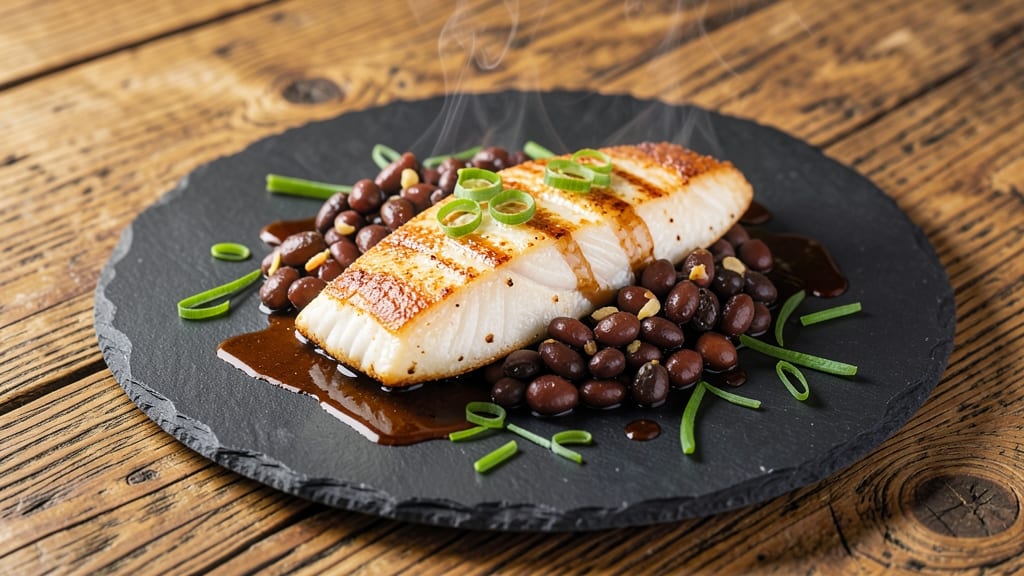
This steamed fish with black beans recipe transforms simple ingredients into a light, aromatic dish that balances delicate fish with hearty black beans in perfect harmony.
The technique relies on gentle steaming to preserve the fish's natural tenderness while infusing it with the earthy richness of black beans and aromatic seasonings like ginger and garlic. I developed this method after years of experimenting with Asian-inspired one-pan meals, and it consistently delivers restaurant-quality results at home.
The beauty of this recipe lies in its simplicity and versatility. You'll need just five key ingredients—fresh white fish, black beans, ginger, garlic, and soy sauce—to create a dish that's both nutritious and deeply flavorful.
The fish steams in its own juices while absorbing the savory broth from the beans, creating a dish that's light enough for summer but satisfying enough for any meal. Preparation takes less than 15 minutes, and the steaming process requires minimal attention, making it ideal for weeknight dinners.
What you'll achieve is a perfectly steamed fish fillet with tender, flaky texture and a subtle hint of smokiness from the steaming process. The black beans soften just enough to release their natural sweetness while maintaining their shape, creating a beautiful contrast against the delicate fish.
The aroma alone—ginger, garlic, and soy sauce mingling with the oceanic scent of the fish—will fill your kitchen and signal that dinner is ready. This dish is elegant enough for guests but simple enough for everyday cooking.
The best part? This recipe scales effortlessly for larger gatherings while keeping the same balance of flavors. Serve it with steamed rice or a fresh salad to complete the meal.
The leftovers reheat beautifully, making it perfect for meal prep. Let's create this harmonious one-pan dish that brings comfort and sophistication to your table.
Ingredients for steamed fish with black beans
Five simple ingredients transform into restaurant-quality steamed fish harmony.
| Ingredient | Amount | Notes |
|---|---|---|
| White Fish Fillets 🐟 | 1 ½ lb | Cod, tilapia, or halibut preferred |
| Black Beans 🍲 | 1 ½ cups | Canned, drained and rinsed |
| Fresh Ginger 🌿 | 2 tbsp | Finely grated, aromatic |
| Garlic Cloves 🧄 | 4 cloves | Minced for aromatic punch |
| Soy Sauce 🍶 | ¼ cup | Low-sodium preferred |
| Green Onion 🧅 | 3 whole | Sliced for garnish |
| Sesame Oil 🫒 | 1 tbsp | Toasted for aroma |
| Water 💧 | ½ cup | For steaming process |
| Salt 🧂 | 1 tsp | Kosher or sea salt |
| Black Pepper 🌶️ | ½ tsp | Freshly ground |
| Lime Juice 🍋 | 2 tbsp | Freshly squeezed |
| Cooking Wine 🍷 | 1 tbsp | Dry sherry or mirin |
The fish is everything here—look for fresh fillets with bright, translucent flesh at the seafood counter. Whole Foods or Trader Joe's have the best selection, but your local fishmonger will give you the freshest cut. Tilapia is foolproof for beginners, while cod or halibut bring more delicate flavor. Black beans? Canned is fine, but if you can find dried, soak overnight for richer texture. The ginger and garlic? Freshly grated and minced make all the difference—pre-minced garlic tastes like sawdust. For soy sauce, Kikkoman is reliable, but Asian markets have better options like Lee Kum Kee.
No fresh ginger? Powdered works at half the amount, but it lacks that zing. Short on cooking wine? Dry white wine or even extra soy sauce bridges the gap. The sesame oil is non-negotiable—toasted sesame oil from Trader Joe's is my go-to. If you're using frozen fish, thaw overnight in the fridge—never under running water, or it'll turn to mush. The lime juice? Fresh is a must—bottled tastes like nothing. For extra umami, add a dash of fish sauce to the soy sauce mix.
This dish reheats beautifully—steam or microwave with a damp paper towel to keep it moist. Keeps 3-4 days in the fridge, though I never let it last that long. Double the recipe and freeze portions for up to 3 months. The fish steams in minutes, so time your rice to finish together. Garnish with those green onions right before serving—they add freshness that wilts away fast. Leftovers? Perfect for lunchboxes—just pack with rice and a sprinkle of sesame seeds.
Why You'll Love This Recipe
- No-Chop Nightmare: I swear by this recipe when I’m too tired to julienne ginger. Just grate a thumb-sized piece, mince three garlic cloves, and toss them in with the beans and soy sauce—no knife skills required. The fish steams in minutes, flaky and perfect without any fuss.
- Umami Bomb: That combo of black beans, ginger, and soy sauce? It’s like a flavor explosion in your mouth. The beans add earthy depth, the ginger brings a bright kick, and the soy ties it all together with that rich, savory punch. My picky-eating partner actually licked the plate.
- Leftover Hero: Steamed fish reheats beautifully, and the beans stay tender—no mushy sadness here. I’ll make double portions on Sunday, pack it for lunches, and still have leftovers for stir-fries or salads all week. It’s my secret for effortless meal prep.
- Budget Win: Fresh fish can feel fancy, but this recipe stretches it like magic. A single fillet feels indulgent, and the black beans bulk it up without breaking the bank. Honestly, it’s one of those dishes where you get restaurant-quality taste for half the price.
Step-by-step instructions for steamed fish with black beans
Here's how to create this light, flavorful dish with minimal effort and maximum impact.
Prepare the Fish and Aromatics
Pat the 1.5 lb white fish fillets dry with paper towels—this helps them cook evenly and develop that beautiful crispness on the edges. Season both sides generously with the 1 tsp salt and 0.5 tsp black pepper. I like to press the seasoning into the fish so it penetrates slightly before cooking.
While the fish rests, finely grate the 2 tbsp fresh ginger using a microplane or fine grater. Mince the 4 cloves garlic cloves into tiny pieces—you want them almost paste-like for maximum flavor distribution. Slice the 3 whole green onions into thin rounds, setting aside 1 tbsp for garnish later. The aromatics will infuse the entire dish with their bright, fresh flavors.
Create the Flavor Base
Heat a large skillet or wok over medium heat. Add the 1 tbsp sesame oil and let it warm for about 30 seconds until shimmering. Add the grated ginger and minced garlic, cooking for exactly 30 seconds—this prevents them from burning while still releasing their aromatic oils. Immediately add the 1.5 cups black beans and stir to combine.
Pour in the 0.25 cup soy sauce and 1 tbsp cooking wine, stirring everything together. Let it simmer gently for 2 minutes until the beans are heated through and the liquid reduces slightly. This creates a flavorful base that will steam the fish perfectly. The beans will absorb some of the liquid, creating a thick, savory mixture that coats the fish beautifully.
Steam the Fish to Perfection
Arrange the seasoned fish fillets on top of the bean mixture in the skillet. Pour the 0.5 cup water evenly around the fish—this creates steam that gently cooks the fish without drying it out. Cover the skillet tightly with a lid or aluminum foil, creating a sealed environment that traps the steam.
Steam the fish for exactly 8-10 minutes, depending on thickness. You'll know it's done when the fish flakes easily with a fork and the edges turn opaque. The beans should be heated through but not mushy. I always check at the 8-minute mark because some fish cooks faster than others. The steam method keeps the fish incredibly moist while allowing the flavors to meld beautifully.
Finish with Bright Flavors
Remove the skillet from heat and carefully transfer the fish to serving plates. Spoon the bean mixture around the fish, making sure each serving gets a generous portion. Drizzle everything with the 2 tbsp lime juice—this adds that bright, tangy finish that cuts through the richness of the fish and beans. The acidity also helps balance the soy sauce flavors.
Garnish each serving with the reserved sliced green onions. I like to fan them out artistically for that restaurant-quality presentation. The green onions add a fresh, crisp contrast to the tender fish and hearty beans. Serve immediately while everything is steaming hot—this dish is best enjoyed right away when all the flavors are at their peak.
Pro Tips For Making Steamed Fish With Black Beans
- Prep Beans First: Drain and rinse black beans twice before adding them to the steamer—this cuts down on that weird, clingy starch that turns your dish into a glue trap. I learned this the hard way when my first batch stuck to the plate like a sad, mushy pancake.
- Salt Fish Last: Hold off on salting the fish fillets until the very end—right before they go into the steamer. Salt draws out moisture, and you don’t want your fish turning into a sad, watery mess before it even hits the heat. Trust me, a pinch at the end keeps it tender.
- Stack Fish Tight: Layer the fish fillets snugly in the steamer basket, overlapping edges just enough to create a compact block. This guarantees even cooking—no dry edges or undercooked centers. (Yes, it looks a little crowded, but your future self will thank you.)
- Use Ginger-Garlic Paste: Skip the minced fresh ginger and garlic if you’re short on time—just grab a small jar of the paste (the good stuff, not the watery kind). It’s pre-measured, aromatics are already blended, and you’ll save 10 minutes of chopping without sacrificing flavor. (I was skeptical until I tried it.)
Wine and beer pairings for this steamed fish with black beans
Crisp White Wine
A dry Riesling from Germany or Alsace is my go-to pairing for this dish—its bright acidity and subtle mineral notes mirror the lime and ginger flavors while cleansing your palate between bites.
I love Dr. Loosen Blue Slate Riesling from the Mosel region; its crisp finish complements the delicate fish without overpowering it. 🍷
Light-Bodied Sake
For an authentic Asian-inspired touch, a dry junmai sake like Dassai 23 works beautifully. The clean, slightly nutty profile enhances the soy sauce and sesame oil while harmonizing with the black beans' earthiness.
Serve it chilled to highlight its refreshing qualities. The subtle sweetness in junmai sakes also balances the dish's savory elements.
Craft Beer Options
A Japanese-style lager such as Sapporo Premium or a wheat beer like Blue Moon pairs surprisingly well. The light body and mild hop character won't compete with the dish's delicate flavors.
For a bolder option, try a light IPA with citrusy hops—just ensure it's not too bitter. The carbonation helps cut through the richness of the steamed fish. 🍺
Non-Alcoholic Pairings
For a refreshing non-alcoholic option, serve sparkling yuzu soda or ginger beer. The effervescence and citrus notes enhance the dish's bright flavors. I also recommend unsweetened iced green tea with a squeeze of lemon—it provides a crisp, clean finish that complements the soy and sesame elements without overpowering them.
Wine Temperature Tips
Serve your white wine slightly cooler than typical—around 45-48°F—to preserve its crispness. For sake, keep it chilled at 40-45°F in a sake decanter (or even a regular wine fridge).
Beer should be served at 40-45°F for lagers or 45-50°F for wheat beers. Proper temperature ensures the drink enhances, rather than competes with, the dish's delicate flavors. ✨
Nutrition facts
Frequently asked questions
Can I use frozen fish for this steamed dish?
Yes, but thaw it properly first! Place frozen fish fillets in the refrigerator overnight for even thawing. Never use cold water—it causes uneven cooking and makes the texture mushy. Pat them completely dry before seasoning to ensure crisp edges when steamed.
What's the best fish for this recipe?
White fish like cod, tilapia, or halibut work perfectly—they stay tender and absorb flavors beautifully. Avoid fatty fish like salmon, as they can overpower the delicate black bean base. If using snapper or sea bass, reduce steaming time by 1-2 minutes to prevent dryness.
How do I prevent the fish from sticking to the pan?
Pat the fish bone-dry before seasoning and use a well-heated skillet. The beans create a natural non-stick base, but if needed, lightly oil the pan before adding sesame oil. Never press down on the fish—it releases moisture that causes sticking. A 8-10 minute steam is key for perfect release.
Can I make this dish ahead of time?
Assemble everything except the water, then refrigerate for up to 12 hours. When ready to cook, add the water and steam as directed. For reheating, gently steam for 3-4 minutes to restore moisture. The flavors actually improve overnight as the aromatics meld further.
What if I don't have lime juice?
Use lemon juice or a splash of rice vinegar instead—they both add bright acidity. For a deeper flavor, add 1 tsp of fish sauce to the soy mixture. Avoid orange juice, as its sweetness clashes with the savory elements. The acidity is crucial for balancing the dish's richness.