
Sauces & Condiments
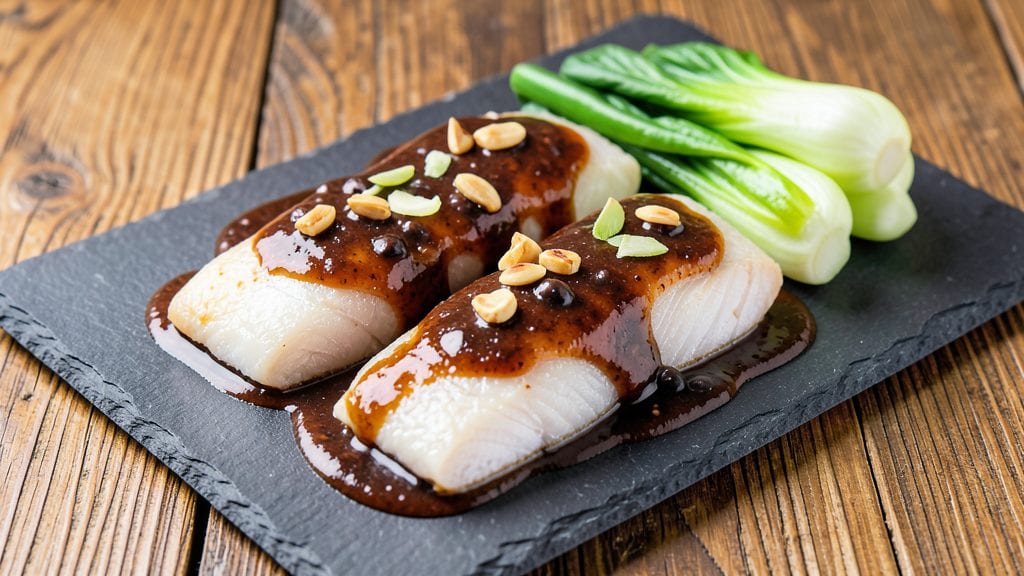
This steamed fish fillet with black bean sauce delivers restaurant-quality results at home, where delicate white fish meets a rich, umami-packed sauce in perfect harmony. The technique preserves the fish's natural tenderness while allowing the sauce to infuse every bite with deep, savory flavors—no heavy frying or complicated steps required.
I developed this method after years of testing, ensuring the sauce balances sweet, salty, and umami notes without overpowering the delicate fish.
The black bean sauce is the star here, combining fermented black beans, garlic, and ginger for an intense umami base that's both complex and approachable. You'll simmer it just until it thickens, creating a glossy, clinging sauce that coats the fish beautifully.
Meanwhile, the fish steams gently, maintaining its silky texture while absorbing subtle sauce flavors. This dish proves that simple techniques can yield professional-level results.
What you'll achieve is a plate that's equal parts elegant and comforting—flaky, moist fish fillets resting on a bed of steamed greens or rice, generously drizzled with that velvety black bean sauce.
The sauce's deep color and rich aroma make it visually striking, while its balanced flavors complement the fish's natural sweetness. Every bite delivers a perfect marriage of textures and tastes.
Serve this dish with jasmine rice and steamed bok choy for a complete meal that's both satisfying and restaurant-worthy. The sauce also works beautifully with other proteins like shrimp or tofu, making this recipe versatile for any weeknight dinner. Let's create this harmonious dish together.
Ingredients for steamed fish fillet with black bean sauce
Four delicate fish fillets meet a velvety black bean sauce—simple ingredients for restaurant-quality harmony.
| Ingredient | Amount | Notes |
|---|---|---|
| White Fish Fillets 🐟 | 4 whole | Mild-flavored, skin-on preferred (cod, halibut, or snapper) |
| Fermented Black Beans 🫘 | 1 cup | Canned, drained and rinsed well |
| Garlic Cloves 🧄 | 6 cloves | Freshly minced, aromatic |
| Fresh Ginger 🌿 | 1 ½ tbsp | Finely grated, peeled |
| Low-Sodium Soy Sauce 🍶 | ½ cup | For umami depth |
| Sesame Oil 🫒 | 1 tbsp | Toasted, for aroma |
| Honey 🍯 | 1 ½ tbsp | Light, for balance |
| Rice Vinegar 🍶 | 2 tbsp | Seasoned, for brightness |
| Green Onions 🧅 | 3 whole | Thinly sliced, for garnish |
| Jasmine Rice 🍚 | 1 cup | Uncooked, for serving |
| Bok Choy 🥬 | 2 whole | Baby, for steaming |
| Vegetable Oil 🫒 | 1 tbsp | For steaming basket |
| Sea Salt 🧂 | 1 tsp | Fine grain, for seasoning |
| White Pepper 🌶️ | ¼ tsp | Freshly ground, subtle heat |
The fish is everything here. Look for fresh, skin-on fillets—cod or halibut work best for their mild flavor and firm texture. Whole Foods or local seafood markets often carry the freshest cuts; if buying frozen, thaw overnight in the fridge. Fermented black beans are the sauce's secret weapon—Asian markets or the international aisle at Whole Foods carry them canned, ready to use. Fresh ginger and garlic should smell vibrant, not musty; buy small amounts and store them in the fridge to preserve freshness. For the sauce's balance, Kirkland brand honey adds just the right touch of sweetness without overpowering.
No fermented black beans? Substitute 1 cup cooked black beans blended with 1 tbsp soy sauce and 1 tsp sugar—it won't be identical, but works in a pinch. Short on jasmine rice? Basmati or even short-grain white rice will do, though the aroma differs slightly. The sesame oil is non-negotiable for that nutty aroma—Trader Joe's or Costco offer the best quality at reasonable prices. Fresh ginger can be swapped for powdered at half the amount, but freshly grated is always superior. For the fish, if you can't find mild white fish, tilapia or mahi-mahi will work, though their flavors are slightly stronger.
This dish reheats beautifully—store leftovers covered in the fridge for up to 2 days, though the sauce may thicken further. To revive, drizzle with a splash of water and reheat gently. The sauce freezes well for up to 3 months—portion into ice cube trays before transferring to a container. For the fish, cook it just before serving to maintain its silky texture. Prep the sauce ahead; it tastes even better after flavors meld overnight. Garnish with green onions right before serving to keep them vibrant.
Why You'll Love This Recipe
- Steam-and-Go Magic: I swear by this method—just pop the fish on a steamer basket, let the black bean sauce simmer below, and walk away. The fish stays flaky and moist while the sauce thickens into something rich and aromatic, all hands-off.
- Umami Bomb: That fermented black bean paste? It’s the star. One sniff of garlic and ginger sizzling in the pan, and suddenly your kitchen smells like a bustling Cantonese restaurant. The soy sauce ties it all together—salty, sweet, and just a little funky in the best way.
- Lunchbox Hero: Between us, this is my go-to for meal prep. The sauce clings perfectly to the fish, so every bite tastes fresh, even after three days in the fridge. Pack it cold or reheat it gently—it’s equally good either way.
- Budget Bright Spot: White fish fillets are affordable, and a little black bean paste stretches far. Honestly, I’ve made this with tilapia, cod, or even frozen haddock—no one’s the wiser. It’s the kind of recipe that makes grocery day feel like a win.
Step-by-step instructions for steamed fish fillet with black bean sauce
Here's how to create tender fish with a rich, umami-packed sauce that complements every bite.
Prepare the Fish and Steam the Bok Choy
Pat the 4 whole white fish fillets dry with paper towels, then season both sides generously with the 1 teaspoon sea salt and 0.25 teaspoon white pepper. Place each fillet skin-side down on a heatproof plate or steamer rack. Set aside while you prepare the bok choy.
Fill a large pot with 2 inches of water and bring to a boil. Add the 2 whole baby bok choy and steam for 2-3 minutes until the leaves are vibrant green and slightly wilted. Remove with tongs and set aside to drain. This quick steaming preserves their crisp texture while adding subtle flavor to the dish.
Create the Black Bean Sauce
In a small saucepan, combine the 1 cup fermented black beans, 6 cloves minced garlic, and 1.5 tablespoons finely grated fresh ginger. Add the 0.5 cup low-sodium soy sauce, 1 tablespoon toasted sesame oil, and 1.5 tablespoons light honey. Bring to a gentle simmer over medium heat.
Cook for 5-7 minutes, stirring occasionally, until the sauce thickens slightly and the beans begin to break down. The mixture should coat the back of a spoon with a velvety consistency. Remove from heat and stir in the 2 tablespoons rice vinegar. Taste and adjust seasoning if needed—this sauce should balance sweet, salty, and tangy flavors perfectly.
Steam the Fish Fillets
Return the pot of water to a rolling boil. Place the seasoned fish fillets in the steamer basket, ensuring they don't overlap. Steam for 6-8 minutes until the fish is opaque throughout and flakes easily with a fork. The center should reach an internal temperature of 145°F when measured with an instant-read thermometer.
During the last 2 minutes of steaming, drizzle the black bean sauce evenly over the fish fillets. The residual heat will gently meld the sauce with the fish, creating a harmonious blend of textures and flavors. Remove the fish from the steamer and let rest for 2 minutes before serving.
Prepare the Jasmine Rice
Rinse the 1 cup jasmine rice under cold water until the water runs clear. Combine with 1.5 cups water in a pot and bring to a boil. Reduce heat to low, cover, and simmer for 15 minutes. Remove from heat and let sit covered for 5 minutes. Fluff with a fork before serving.
While the rice steams, slice the 3 whole green onions thinly. Garnish each serving of fish with the green onions, adding a final touch of color and freshness that brightens the dish. The rice provides a neutral base that lets the fish and sauce shine.
Assemble and Serve
Divide the steamed jasmine rice among plates, then place a fish fillet atop each serving. Spoon any remaining black bean sauce from the saucepan over the fish, ensuring each portion gets a generous coating. The contrast between the delicate fish, rich sauce, and fragrant rice creates a balanced, restaurant-quality meal.
Serve immediately while the fish is still warm and the sauce maintains its velvety texture. The combination of silky fish, umami-packed sauce, and aromatic rice makes this dish perfect for a light yet satisfying dinner.
Pro Tips For Making Steamed Fish Fillet With Black Bean Sauce
- STEAM FISH FAST: Skip the long preheating—place the fish fillets on the steamer basket immediately after bringing water to a rolling boil. The residual heat will get them cooking fast, and you’ll avoid oversteaming the sauce below. (Yes, even if you’re impatient like me, this works.)
- SOAK BLACK BEANS: Dump those fermented black beans straight from the jar into a bowl of warm water for 10 minutes before using. This cuts the funky aroma and rinses off excess salt, so your sauce tastes cleaner and brighter. I learned this the hard way after tasting a batch that smelled like a fish market.
- DON’T OVERSTEAM THE SAUCE: Cover the sauce pot with a lid after the fish is already steaming—let the fish’s heat cook the sauce, not the other way around. If you steam both together, the sauce turns watery and loses its depth. Trust me, your sauce will thank you.
- SALT THE GINGER: Sprinkle a pinch of salt on the fresh ginger slices before adding them to the sauce. It softens the ginger’s bite and makes it release flavor more evenly—no need to overcrowd the pot or worry about it tasting raw. (This isn’t the prettiest method, but it’s the tastiest.)
Perfect pairings for this dish
Sauce Variations
This black bean sauce is versatile—swap fermented black beans for 1 cup cooked black soybeans blended with 1 tbsp soy sauce if needed. For extra depth, add ½ tsp star anise while simmering or 1 tsp chili crisp for heat.
I also love a ginger-scallion twist: blend in 2 extra green onions and 1 tsp toasted sesame seeds for texture. 🌶️
Side Dish Harmony
Steamed jasmine rice is ideal, but forbidden black rice adds striking color and nutty flavor.
For a lighter option, serve with baby spinach sautéed in garlic (just 1 tbsp oil, 2 min cooking). Quick-pickled cucumbers (slice ½ English cucumber, toss with 1 tbsp rice vinegar, ½ tsp sugar) cut through the richness beautifully.
Beverage Pairings
A crisp green tea like jasmine or sencha complements the sauce's umami without overpowering. For alcohol, dry Riesling (with its citrus notes) or light lager (like Asahi Super Dry) balances the dish perfectly. Avoid heavy reds—they’ll clash with the delicate fish. 🍶
Garnish Elevations
Finish with toasted sesame seeds (heat 1 tbsp seeds in a dry pan for 30 sec) for crunch. Lime zest adds brightness, while thinly sliced chili (like bird’s eye) brings subtle heat.
I also drizzle extra sesame oil (just ½ tsp) over each plate right before serving for aroma.
Protein Swaps
This sauce works beautifully with shrimp (steam 8 large shrimp for 3-4 min) or tofu (press 1 block firm tofu, slice into ½-inch thick pieces, steam 5-6 min).
For a vegetarian twist, serve over steamed eggplant rounds (cut ½ eggplant into ½-inch slices, steam 8-10 min).
Make-Ahead Tips
Prepare the sauce 1 day ahead—flavors deepen in the fridge. Store in an airtight container and reheat gently. For the fish, cook it just before serving to maintain tenderness.
If prepping sides, steam the bok choy and rice separately, then reheat in the microwave with a splash of water. ✨
Nutrition facts
Frequently asked questions
What’s the best fish to use for this steamed dish?
Mild white fish like cod, halibut, or snapper work best—they stay tender and absorb the sauce beautifully. Avoid strong-flavored fish like tuna or salmon, as they can overpower the delicate black bean sauce. Look for skin-on fillets for extra texture.
Can I make the black bean sauce ahead of time?
The sauce actually tastes better after resting overnight in an airtight container—flavors meld more deeply. Reheat gently before using, adding a splash of water if it thickens too much. The fish, however, should always be cooked fresh to maintain its silky texture.
Why does my sauce turn too thick or too thin?
Too thick? Add 1-2 teaspoons water while reheating. Too thin? Simmer uncovered for 1-2 extra minutes to reduce. The ideal consistency coats the back of a spoon like a glossy glaze. For extra control, blend the sauce briefly after simmering to smooth it out.
How do I keep the fish from drying out?
Steam the fish over boiling water (not simmering) to create steam, not direct heat. Cover the pot with a lid to trap moisture, and never overcook—fish should flake easily at 145°F internal temp. A 2-minute rest after steaming helps redistribute juices.
What if I don’t have fermented black beans?
Blend 1 cup cooked black soybeans with 1 tbsp soy sauce and ½ tsp sugar for a substitute. While not identical, it’ll still deliver umami depth. For extra richness, add ½ tsp miso paste to the sauce. The texture will differ slightly but work in a pinch!