Side Dishes
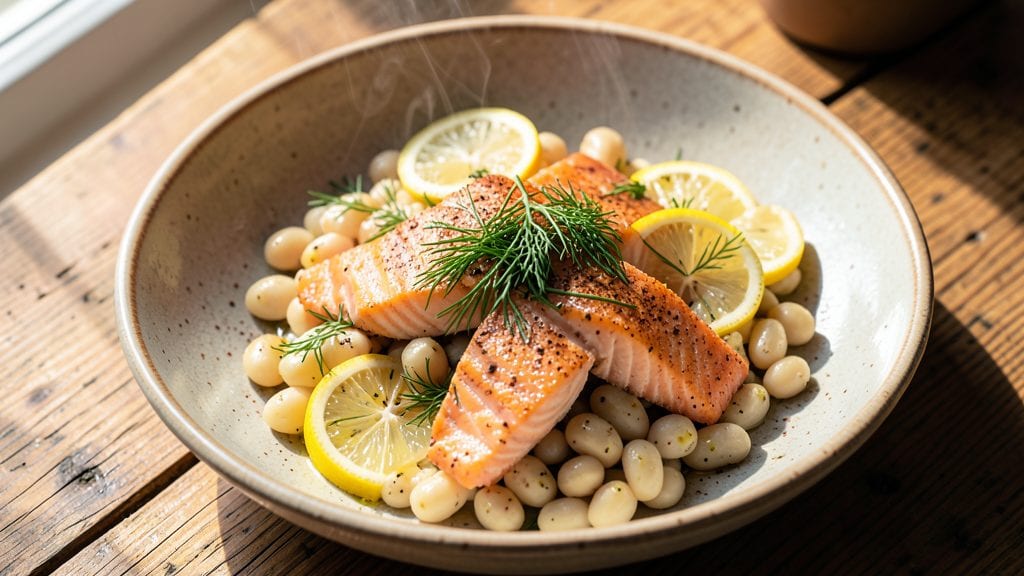
Transforming canned salmon and beans into a complete dish takes just 20 minutes—no fancy techniques required, just bold flavors that turn simple ingredients into something extraordinary.
This recipe delivers that perfect balance of smoky, lemony, and crunchy textures, making it a standout side or even a hearty main when paired right.
The secret lies in how the salmon’s natural richness meets the beans’ earthiness, elevated by a zesty lemon-dill dressing and a crisp topping that adds texture without effort.
What makes this dish truly special is its versatility—it works as a foolproof side for grilled meats, a filling for wraps, or even a complete meal on its own when served with crusty bread or a fresh green salad.
The recipe relies on pantry staples like canned salmon and beans, but the flavor transformations happen in the seasoning and assembly. You’ll need just five key ingredients beyond the basics, all of which come together in a way that feels both elegant and effortless.
The result is a dish that’s bright, satisfying, and packed with protein, where every bite delivers a mix of creamy beans, flaky salmon, and a tangy crunch that keeps you reaching for more. The smoky lemon dressing ties everything together, while the crispy topping adds a satisfying contrast.
This is the kind of recipe that proves you don’t need complicated steps to create something memorable—just the right combination of flavors and textures.
Pair it with a simple arugula salad or warm dinner rolls to round out the meal, or serve it alongside roasted vegetables for a well-balanced plate. The beauty of this dish is in its adaptability—it’s quick enough for a weeknight but impressive enough for guests.
Let’s get started on turning those cans into a flavor-packed masterpiece.
Ingredients for canned salmon and beans
Pantry staples meet bold flavors—just 13 ingredients transform canned salmon and beans into something extraordinary.
| Ingredient | Amount | Notes |
|---|---|---|
| Canned Salmon 🐟 | 2 cans | Wild-caught preferred, drained |
| Canned White Beans 🫘 | 1 can | Great Northern or cannellini |
| Lemon Juice 🍋 | ¼ cup | Freshly squeezed, no pulp |
| Dried Dill 🌿 | 1 tbsp | Or 2 tbsp fresh chopped |
| Smoked Paprika 🌶️ | 1 tsp | For smoky depth |
| Garlic Cloves 🧄 | 3 cloves | Minced or finely chopped |
| Extra-Virgin Olive Oil 🫒 | ¼ cup | High-quality, fruity |
| Panko Breadcrumbs 🍞 | ½ cup | For crispy topping |
| Sea Salt 🧂 | 1 ½ tsp | Fine grain preferred |
| Black Pepper 🌶️ | ½ tsp | Freshly ground |
| Fresh Dill 🌿 | ¼ cup | Chopped, for garnish |
| Red Onion 🧅 | ¼ cup | Finely diced, for crunch |
| Crushed Red Pepper Flakes 🔥 | ¼ tsp | Optional for heat |
The salmon and beans form the heart of this dish, so quality matters. Wild-caught salmon has richer flavor than farmed, and Great Northern or cannellini beans hold their shape best when heated. For the beans, low-sodium brands like Goya or Bush's work perfectly—just rinse them if you're sensitive to salt. The dill is where the magic happens; fresh dill from the market has more punch than dried, but dried works in a pinch (use half the amount). Look for smoked paprika with deep color—Penzeys or La Boîte brands are reliable for that authentic smoky flavor.
No fresh dill? Dried dill or even tarragon at half the amount will work, though the flavor won't be identical. Short on red onion? Green onions or shallots add a milder crunch. The panko breadcrumbs are non-negotiable for texture—Japanese panko stays crispier than regular breadcrumbs. For extra richness, swap half the olive oil for tahini or walnut oil. The lemon juice should be freshly squeezed; bottled lemon juice lacks the bright acidity. If you're avoiding gluten, crushed almonds or gluten-free breadcrumbs make a great substitute for the panko.
This dish keeps beautifully—store leftovers in an airtight container for up to 4 days in the fridge. The flavors actually deepen overnight, so it reheats even better the second time. For meal prep, assemble the dish without the crispy topping and store separately. When ready to serve, simply toast the breadcrumbs with olive oil and sprinkle over the top. The topping stays crispy for about 10 minutes after baking, so make it fresh if possible. Freezes well for 3 months—just reheat gently to avoid drying out the beans.
Why You'll Love This Recipe
- Five-Ingredient Magic: I swear by this one—open two cans, splash lemon, sprinkle dill, and boom. No chopping, no waiting for salmon to thaw, just pure, effortless assembly. The kind of meal where you’re done before the kids even notice dinner’s missing.
- Smoky-Zingy Balance: That smoked paprika and lemon juice? It’s like a little flavor explosion—salty, bright, with just enough earthiness from the beans. Honestly, I’ll take this over fancy seafood any day. The dill ties it all together like a secret handshake.
- Lunchbox Hero: Pack it cold in jars for work or school—no reheating needed. My son actually asks for it now (yes, even on a Tuesday). The texture holds up perfectly, and the lemon keeps it from getting soggy. Meal prep just got a whole lot easier.
- Budget-Friendly Protein: Canned salmon and beans? You’re basically getting a steak-and-potatoes vibe for pennies. I feed my family four servings for under $10, and we’re all happy. Leftovers? Even better—they taste just as good the next day, reheated or straight from the fridge.
Step-by-step instructions for smoky lemon crunch salmon and beans
Here's how to combine canned salmon and beans into a vibrant, textured dish with a bright lemon finish.
Prepare the Base Ingredients
Drain both cans of canned salmon and canned white beans thoroughly, reserving ¼ cup of the bean liquid. This starchy liquid helps create a cohesive texture later. In a medium bowl, combine the drained salmon and beans with the 0.25 cup lemon juice, 1 tablespoon dried dill, 1 teaspoon smoked paprika, 0.5 teaspoon black pepper, and 1.5 teaspoons sea salt.
Use a fork or potato masher to gently break up the salmon and beans while keeping some texture. You want a chunky consistency—not a puree. The smoked paprika adds depth while the lemon juice brightens the flavors. Taste and adjust seasoning if needed, remembering that the panko topping will add additional saltiness later.
Build the Crunchy Topping
In a separate small bowl, mix the 0.5 cup panko breadcrumbs, 0.25 cup finely diced red onion, 0.25 teaspoon crushed red pepper flakes, and 3 minced garlic cloves. Drizzle in the 0.25 cup extra-virgin olive oil and toss gently with a fork until the breadcrumbs are evenly moistened but not soggy.
The panko should look like damp sand with visible oil sheen. This topping is what gives the dish its satisfying crunch contrast. If the mixture feels too dry, add 1 teaspoon lemon juice to help bind it. Set aside while you prepare the base.
Assemble and Bake for Crispy Perfection
Preheat your oven to 400°F. Transfer the salmon and bean mixture to an oven-safe skillet or baking dish. Spread it into an even layer, then scatter the panko topping evenly over the top, pressing down lightly with the back of a spoon to ensure contact with the base.
Bake for 12-15 minutes until the edges of the panko are golden brown and the center is bubbling. The dish should smell intensely of garlic and toasted breadcrumbs. Watch closely in the last few minutes to prevent over-browning. If the top isn't browning quickly enough, broil for 1-2 minutes at the end.
Finish with Fresh Herbs and Serve
Remove from the oven and immediately sprinkle the 0.25 cup chopped fresh dill over the top. The fresh dill adds a bright, herbal contrast to the smoky, crispy elements. Let the dish rest for 5 minutes before serving—this allows the flavors to meld and the panko to set slightly.
Serve warm with crusty bread or over a bed of greens. The combination of creamy beans, flaky salmon, and crispy panko creates a satisfying texture profile. The lemon brightens the richness, while the smoked paprika adds subtle warmth. Each bite delivers a perfect balance of protein, crunch, and freshness.
Pro Tips For Making Canned Salmon And Beans
- Drain and Rinse Salmon: The oil in canned salmon is great for dressings, but here it’ll just make your dish greasy. Drain the salmon over a bowl to catch the oil, then rinse it under cold water—this cuts the richness and keeps the texture light. I used to skip this, and my salad always ended up tasting like a fish fry.
- Crush Half the Beans: Leave about half the white beans whole for texture, but crush the rest with a fork or potato masher. This gives you a mix of creamy and chunky, which balances the dish better than all whole beans. I learned this after making a batch where everything was too uniform—boring, and no one noticed the salmon.
- Toast the Paprika First: Heat a dry pan to medium and toast the smoked paprika for 30 seconds until it smells deeper. This brings out its flavor way more than just sprinkling it raw. Sounds weird, but it works—your dish will taste like it has actual depth, not just a dusting of spice.
- Add Lemon Last: Mix everything together first, then stir in the lemon juice right before serving. If you add it early, the acid will soften the beans and dull the salmon’s flavor. I was skeptical until I tried it—I now add it like a finishing touch, and the brightness pops every time.
Troubleshooting this dish
Panko Too Dry?
If your panko topping feels like sand instead of a cohesive mixture, add 1 teaspoon lemon juice or 1 tablespoon water to help bind it. The key is gentle tossing—don’t overmix, or the breadcrumbs will turn into a paste.
For extra flavor, I sometimes add 1 teaspoon minced fresh dill to the panko mix before baking. 💫
Salmon Too Watery
Drain the salmon thoroughly and press it gently with a paper towel to remove excess moisture. If your dish feels too wet after baking, spread the mixture on a baking sheet for 5 minutes at 400°F before adding the panko topping.
This helps evaporate excess liquid and creates a better base for crisping. 🌡️
Flavor Too Mild
Boost the depth by adding ½ teaspoon smoked paprika to the panko topping or a pinch of freshly grated lemon zest to the base mixture. For extra umami, stir in 1 teaspoon soy sauce or ½ teaspoon fish sauce when combining the salmon and beans.
Taste as you go—this dish builds flavor in layers. 🌶️
Panko Not Crispy
Ensure your oven is fully preheated to 400°F and use a light-colored oven-safe skillet (like stainless steel) for even heat distribution. If the panko still feels soft, broil for 1-2 minutes at the end, watching closely to avoid burning.
For extra crunch, I sometimes sprinkle 1 tablespoon crushed cornflakes on top before baking. 🔥
Beans Too Soft
If your beans break down into mush, use Great Northern or cannellini beans (they hold shape better than navy or pinto). For extra structure, add 1 tablespoon cornstarch to the bean mixture before baking. If using pre-cooked beans, rinse them under cold water to stop further cooking. 🫘
Lemon Too Overpowering
Balance the acidity by adding ½ teaspoon honey or 1 teaspoon maple syrup to the base mixture. The natural sweetness helps mellow the lemon’s brightness while complementing the smoky notes. For a richer flavor, reduce the lemon juice to 2 tablespoons and add 1 tablespoon white wine instead. 🍋
Nutrition facts
Frequently asked questions
Can I use different types of beans in this recipe?
Great Northern or cannellini beans work best as they hold their shape when heated. For a creamier texture, chickpeas or black beans can substitute, but they may require 1 extra tablespoon of lemon juice to balance their denser flavor. Avoid mushy varieties like navy beans unless you want a more rustic, chunky texture.
How do I make this dish gluten-free?
Replace the panko breadcrumbs with crushed almonds or gluten-free breadcrumbs for the topping. Use 0.25 cup almonds finely crushed and toasted with the olive oil for a nutty crunch. For extra flavor, add ½ teaspoon garlic powder to the nut mixture before baking.
Can I prepare this ahead of time?
Assemble the salmon and bean mixture (without the panko topping) up to 2 days ahead and refrigerate. When ready to serve, bake at 400°F for 10 minutes to reheat, then top with fresh panko and broil for 2-3 minutes to crisp. The flavors deepen overnight!
What's the best way to store leftovers?
Store in an airtight container for up to 4 days in the fridge. For longer storage, freeze for 3 months. Reheat gently in a skillet with 1 tablespoon olive oil over medium-low heat to maintain texture. Avoid microwaving—it makes the panko soggy.
How can I make this vegetarian?
Swap the canned salmon for chickpeas or white beans (double the amount) and add 1 teaspoon nori flakes or smoked seaweed for umami depth. Boost flavor with 1 tablespoon soy sauce or ½ teaspoon liquid smoke in the base. The smoky paprika and lemon still work beautifully!