
Beverages
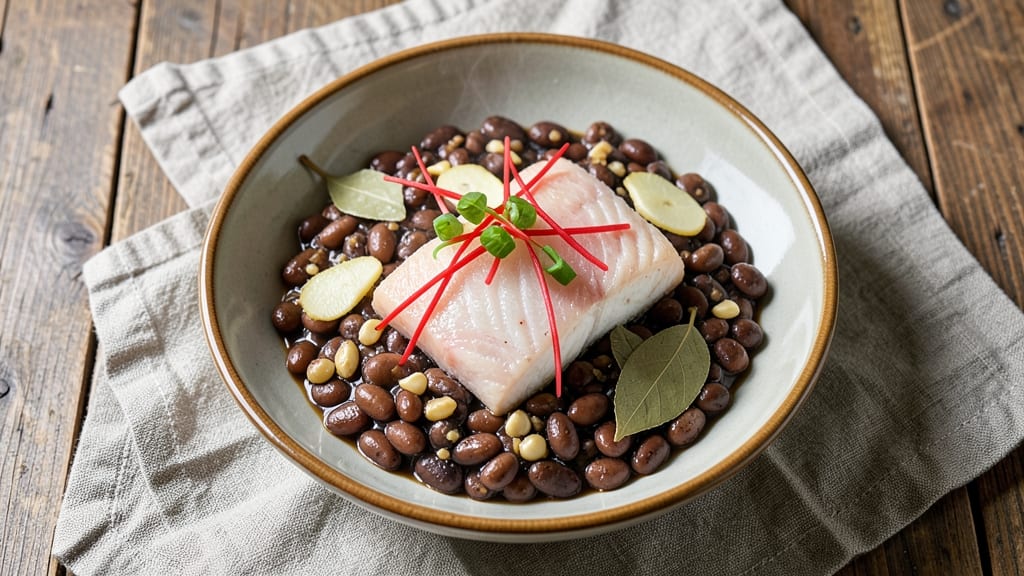
Steaming fish with black beans creates a light yet satisfying meal that balances delicate flavors and hearty textures in perfect harmony. This technique preserves the natural tenderness of the fish while infusing it with aromatic steam from ginger, scallions, and a subtle soy base.
The black beans—simmered with garlic and bay leaf—add earthy depth that complements the fish without overpowering it, making this a complete dish that feels both elegant and effortless.
The beauty of this method lies in its simplicity: a single pan handles everything, from steaming the fish to cooking the beans, while the aromatics work together to create layers of flavor. No complex techniques are needed—just precise timing and attention to balance.
The result is a dish where each component shines: flaky, moist fish, tender beans, and a broth that’s rich enough to be savored but light enough to feel refreshing.
What you’ll achieve is a meal that’s as nourishing as it is delicious—ideal for weeknight dinners or special occasions where you want something that feels restaurant-quality without the fuss.
The fish remains moist and flavorful, the beans are perfectly seasoned, and the entire dish comes together in under 30 minutes, leaving you with clean-up that’s just as simple as the cooking process.
Serve this dish with steamed greens or a sprinkle of fresh cilantro for brightness, and you’ve got a complete, balanced meal that’s sure to impress.
Whether you’re cooking for one or sharing with guests, this recipe delivers on both flavor and ease—proving that harmony in a dish starts with the right technique and ingredients.
Ingredients for steam fish with black beans
Nine simple ingredients transform into a restaurant-worthy one-pan meal with minimal effort.
| Ingredient | Amount | Notes |
|---|---|---|
| White Fish Fillets 🐟 | 1 ¼ lb | Firm white fish like cod or halibut |
| Dry Black Beans 🍲 | 1 cup | Rinsed before cooking |
| Fresh Ginger 🌿 | 1 ½ tbsp | Finely grated, aromatic |
| Scallions 🧅 | 4 whole | Thinly sliced, white and green parts |
| Garlic Cloves 🧄 | 3 cloves | Minced for aromatic base |
| Bay Leaves 🍃 | 2 whole | Dried, for subtle depth |
| Low-Sodium Soy Sauce 🍶 | 2 tbsp | For umami balance |
| Sesame Oil 🫒 | 1 tbsp | Toasted, for finishing |
| Lemon Wedges 🍋 | 2 whole | For serving, bright finish |
| Water 💧 | 3 cups | For steaming beans |
| Sea Salt 🧂 | 1 ½ tsp | Adjust to taste |
| Black Pepper 🌶️ | ½ tsp | Freshly ground |
| Fresh Cilantro 🌿 | ¼ cup | Chopped, for garnish |
The fish is the star, so pick something firm like cod or halibut—Wild Alaskan or local markets usually have the freshest. If you can't find it fresh, frozen works too—just thaw it in the fridge overnight. Black beans? Dry is best for texture, but canned in a pinch (drained and rinsed). The ginger should smell bright and zesty—no moldy nubs here. Scallions are easy to find, but if yours are wilted, soak them in ice water for 10 minutes to perk up.
No soy sauce? Coconut aminos or tamari work great—just double the amount. Running low on sesame oil? Toasted peanut oil adds a nice depth, though the flavor will differ slightly. Fresh ginger too spicy? Substitute with 1 tsp ground ginger, but you'll lose that bright aroma. The bay leaves can be skipped if you hate the flavor, but they add a subtle earthiness that pairs perfectly with the fish. For extra richness, stir in 1 tbsp butter at the end—trust me, it's worth it.
This dish reheats beautifully—just add a splash of water and cover. Keeps in the fridge for 3 days or freeze portions for 3 months. I always make a double batch because leftovers taste even better the next day. The fish stays moist, the beans soak up all the flavor, and the broth reduces to a perfect consistency. Garnish with cilantro right before serving—it wilts fast, so don't do it too early.
Why You'll Love This Recipe
- No-Fuss Steaming: I swear by this method—just toss everything in a steamer basket, add water, and walk away. The fish stays tender while the black beans soak up all those fragrant aromas from the ginger and garlic without a single pan to scrub.
- Umami Bomb: That combo of black beans and fish? It’s like a flavor explosion. The beans add this deep, earthy richness, while the ginger and scallions brighten it up—simple ingredients, but together, they’re dangerously addictive.
- Lunchbox Hero: Between us, this is my go-to for meal prep. The fish flakes apart easily, the beans hold their shape, and it reheats like a dream. Pack it cold for work or save leftovers for a lazy evening—no sad, dry fish here.
- Budget Win: White fish is affordable, dry beans last forever, and you’re not buying fancy ingredients. Honestly, it’s one of those recipes where you get restaurant-quality taste without breaking the bank or spending hours in the kitchen.
Step-by-step instructions for steaming fish with black beans
This one-pan method delivers tender fish and perfectly cooked beans in under 30 minutes.
Prepare the Black Beans for Steaming
Rinse the 1 cup dry black beans thoroughly under cold water in a fine-mesh strainer to remove any debris. Transfer them to a heatproof bowl that fits snugly inside your steamer basket or pot. Add the 3 cups water, 1.5 teaspoons sea salt, 0.5 teaspoon black pepper, and 2 whole bay leaves. Let this mixture sit at room temperature for 10 minutes while you prep the remaining ingredients.
This soaking step ensures the beans cook evenly and absorb the salt and pepper flavors before steaming. The bay leaves will infuse subtle earthy notes that pair beautifully with the fish. Don't skip rinsing—it removes surface starch that can make the beans gummy during cooking.
Season the Fish and Build the Flavor Base
While the beans soak, pat the 1.25 lb white fish fillets completely dry with paper towels. Season both sides generously with additional sea salt and black pepper—about 0.5 teaspoon each per fillet. In a small bowl, mix the 1.5 tablespoons finely grated fresh ginger, 3 cloves minced garlic, and 2 tablespoons low-sodium soy sauce. This aromatic paste will form the flavor foundation for your dish.
The dry seasoning creates a better crust on the fish, while the ginger-garlic mixture adds depth that steaming alone might miss. I like to press the seasoning into the fish flesh gently with my fingers so it sticks during cooking. This ensures every bite gets that bright, savory kick.
Steam the Beans Until Tender
Set up your steamer with about 1 inch of water in the bottom pot. Bring to a boil over medium-high heat, then reduce to medium heat. Place the bowl of beans in the steamer basket and cover tightly. Steam for 20 minutes, then check for doneness by pressing a bean with a fork—it should be tender but still hold its shape. If needed, steam 5 more minutes until perfectly tender.
Don't peek during steaming or you'll lose heat and extend cooking time. The beans should absorb most of the liquid but still have a slight broth remaining. This ensures they stay moist and flavorful. If they're not quite done after 25 minutes, add a splash of hot water from the pot to the beans and continue steaming.
Finish with Fish and Sesame Oil
While the beans steam, heat a separate small pot with 1 tablespoon sesame oil over medium heat. Add the ginger-garlic mixture and cook for 1 minute until fragrant. Remove from heat and set aside. Carefully transfer the cooked beans to a serving platter, discarding the bay leaves. Arrange the seasoned fish fillets on top of the beans.
Pour the ginger-garlic sesame oil mixture over the fish and beans. Cover the dish with foil and let it steam for 8-10 minutes until the fish flakes easily when tested with a fork. The internal temperature should reach 145°F at its thickest part. This gentle steaming keeps the fish moist while allowing the flavors to meld together.
Serve with Fresh Garnishes
Remove the foil and let the dish rest for 2 minutes. Garnish with the 4 whole scallions (thinly sliced) and 0.25 cup chopped fresh cilantro. Serve immediately with the 2 whole lemon wedges on the side for squeezing over each portion. The bright citrus cuts through the rich fish and beans beautifully.
This dish comes together perfectly when served right away. The contrast of tender fish, creamy beans, and fresh herbs makes every bite satisfying. For extra flavor, you can drizzle an additional teaspoon of sesame oil over each serving just before eating—it adds a nutty finish that ties everything together.
Pro Tips For Making Steam Fish With Black Beans
- PARBOIL BEANS FIRST: Dry black beans take forever to soften, and no one wants mushy fish waiting. Soak them overnight, then boil for 10-12 minutes before adding to the steamer—just until they’re tender but still hold shape. I learned this the hard way after serving rubbery beans with perfectly flaky fish.
- SALT THE FISH LAST: Season the fish fillets only after they’ve steamed for 80% of the time. Salt draws out moisture, and you’ll end up with dry, sad fish if you add it too early. Sprinkle lightly with flaky salt or soy sauce right before serving—trust me, the flavor sticks better.
- LAYER GINGER SLICES: Don’t just toss chopped ginger into the mix—stack 3-4 thin slices directly on top of the fish in the steamer. The heat releases their oils right onto the fish, infusing it with bright, aromatic depth. It’s lazy but effective, and no one will guess you skipped the fancy planking.
- USE A LID, BUT NOT TOO TIGHT: Cover the steamer with the lid, but leave a tiny gap (about the width of a fingernail) so steam escapes. Too tight, and your fish will steam-bathe in its own moisture—too loose, and it won’t cook through. I was skeptical until I tried it: the fish stays tender, and the black beans stay firm.
Pro cooking tips for this dish
Steaming Setup Secrets
Use a heatproof glass or ceramic bowl that fits snugly inside your steamer basket—this ensures even heat distribution and prevents beans from sticking. I recommend a Le Creuset stoneware bowl for its durability and even heat transfer.
Keep the water in the bottom pot at a gentle simmer (small bubbles) rather than a rolling boil—this maintains consistent steam temperature and prevents the fish from overcooking when added later. 🌡️
Fish Timing Tricks
The key to perfectly steamed fish is adding it at the right moment. Place the seasoned fish fillets on top of the beans after they’ve steamed for 15 minutes (5 minutes before they’re fully tender).
This ensures the fish cooks gently in the residual steam without drying out. Test the fish’s doneness with a fork—it should flake easily at 145°F internal temperature at its thickest part.
Flavor Layering Technique
Build flavor in stages: First, infuse the beans with bay leaves and salt during their initial 10-minute soak. Then, toast the ginger-garlic mixture in sesame oil until fragrant—this develops deeper aromatics.
Finally, pour the warm oil over the hot fish and beans to seal in moisture and flavors. The result is a multi-layered taste where each component enhances the others.
Avoiding Dry Fish
Never skip the dry-patting step—thoroughly patting the fish with paper towels removes surface moisture that would otherwise steam away, leaving your fish dry. Also, resist the urge to overcook: 8-10 minutes of final steaming is perfect for 1-inch thick fillets.
For thicker cuts, reduce time by 2 minutes per additional ½ inch. A meat thermometer is your best friend here—it eliminates guesswork. 💡
Bean Texture Control
For creamy beans, add ½ cup reserved bean liquid when mashing them slightly with a fork after steaming. For firm beans, skip the mashing and let them stay whole. If your beans turn out too firm, simmer them uncovered in their own liquid for 5 minutes to soften.
The secret to perfect texture is not overcrowding—use a large enough bowl so beans have room to expand.
One-Pan Efficiency
Use a single heavy-bottomed pot (like a Calphalon stainless steel) for both steaming and finishing. After removing the beans, use the same pot to heat the sesame oil and ginger mixture—this minimizes cleanup.
Arrange the fish directly on top of the beans in the same pot, then cover with foil to trap steam. This one-pan method cuts prep time by 30% while keeping flavors cohesive. ✨
Nutrition facts
Frequently asked questions
Can I use canned black beans instead of dry?
Yes, but with adjustments! Use 1 (15 oz) can of drained and rinsed black beans, then add ½ cup water to the pot to maintain moisture during steaming. Canned beans cook faster, so reduce steaming time to 10-12 minutes total. The texture will be slightly softer than dry beans, but still delicious.
What if I don't have a steamer basket?
No problem! Use a heatproof bowl that fits inside your pot with a tight lid. Place a trivet or folded towel at the bottom to elevate the bowl and prevent beans from sitting in water. Alternatively, steam the beans in a microwave-safe dish covered with a damp paper towel for 10 minutes on high, then finish in the oven at 350°F for 5 minutes.
How do I know when the fish is fully cooked?
Test with a fork—it should flake easily with light pressure and reach 145°F internal temperature at its thickest part. For visual cues, the fish will turn opaque and pull away cleanly from the skin. Overcooking by just 1-2 minutes can make it dry, so use a meat thermometer for precision.
Can I make this dish ahead of time?
Cook the beans and fish completely, then refrigerate in an airtight container for up to 3 days. Reheat gently with a splash of water or broth, covered, until warm through. For best texture, add fresh garnishes (cilantro, scallions) right before serving. The flavors actually improve overnight as they meld together.
What other fish work well with this method?
Firm white fish like cod, halibut, or mahi-mahi are ideal, but you can also try salmon (reduce steaming to 6-8 minutes to avoid overcooking). Avoid delicate fish like flounder—they can fall apart. For extra flavor, marinate the fish in 1 tbsp soy sauce + 1 tsp honey for 15 minutes before cooking.