
Sauces & Condiments
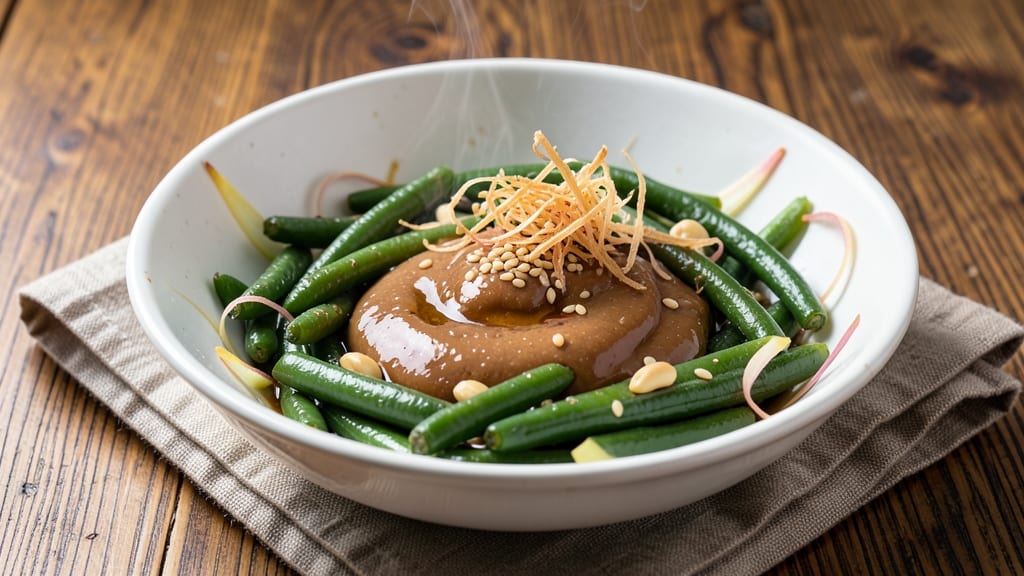
Recreating Pf Chang's signature green bean sauce at home delivers that same velvety sesame swirl with crunchy peanut bits you crave. The secret lies in balancing fresh green beans, aromatic garlic, and ginger with a touch of sweetness that harmonizes perfectly with savory soy and umami sesame oil.
I've perfected this sauce through countless test batches, ensuring it achieves that signature texture and depth without any shortcuts.
What makes this sauce truly special is its versatility—it elevates everything from stir-fries and noodles to dumplings and grilled meats. The process involves blending fresh ingredients into a smooth base, then simmering until thickened just enough to coat the back of a spoon.
Crunchy peanut bits add texture contrast, while a final drizzle of sesame oil brings that signature aroma. The result is a sauce that's rich, slightly sweet, and packed with umami flavor.
This sauce keeps beautifully in the refrigerator for up to 5 days, and reheating is simple—just warm gently on the stove or microwave until smooth. The consistency adjusts easily with a splash of water if needed, ensuring you always get that perfect balance between velvety and slightly thick.
Whether you're serving it as a dipping sauce or drizzling it over dishes, this homemade version rivals any restaurant quality.
With just 10 minutes of active prep and 15 minutes of simmering, you'll have a batch ready to transform your meals. The ingredients are straightforward—green beans, garlic, ginger, soy sauce, sesame oil, and a touch of sugar—but the technique ensures professional results every time.
Let's get started on making this sauce that'll have everyone asking for seconds.
Ingredients for pf chang's green bean sauce
Ten simple ingredients for that signature Pf Chang's sesame swirl you love.
| Ingredient | Amount | Notes |
|---|---|---|
| Fresh Green Beans 🥦 | 1 lb | Trimmed, cut into 1-inch pieces |
| Peanut Butter 🥜 | ¼ cup | Creamy, unsalted preferred |
| Sesame Oil 🫒 | 2 tbsp | Toasted, for aroma |
| Soy Sauce 🍶 | ½ cup | Low-sodium preferred |
| Garlic Cloves 🧄 | 4 cloves | Minced, fresh preferred |
| Fresh Ginger 🌿 | 1 tbsp | Grated, peeled |
| Granulated Sugar 🍚 | 1 tbsp | Adjust to taste |
| Roasted Peanuts 🥜 | ¼ cup | Chopped, unsalted |
| Water 💧 | ½ cup | For thinning if needed |
| Salt 🧂 | ½ tsp | Kosher or sea salt |
The green beans are the star—fresh, crisp ones make all the difference. Skip the frozen kind; even pre-cut ones from the grocery store work, but Trader Joe's or Whole Foods have the best quality. For the peanut butter, creamy and unsalted is key—no powdered peanut butter shortcuts here. The roasted peanuts should be lightly salted or unsalted—skip the heavily salted kind. Sesame oil? Grab the toasted variety from the Asian aisle; it's worth the extra few bucks for that nutty aroma. If you're short on time, pre-minced garlic works, but fresh is always better.
No sesame oil? Toasted sesame seeds plus a splash of vegetable oil gets you close, though it won't be as aromatic. Short on peanuts? Cashews or almonds work in a pinch, but toast them first. The sauce can get too thick—water or a splash of soy sauce thins it out easily. For extra depth, a pinch of white pepper mimics the restaurant version. If you're making this ahead, save the sesame oil drizzle for serving—it keeps the sauce fresh longer. The sugar balances the saltiness; adjust to taste if you prefer it sweeter or more savory.
This sauce keeps for 5 days in the fridge, sealed tightly. The texture thickens as it cools, so add a splash of water when reheating. For longer storage, freeze portions in ice cube trays—6 months is no problem. The peanut bits stay crunchy if you add them just before serving, but they'll soften slightly if mixed in earlier. Double the batch; it disappears fast with dumplings, stir-fries, or as a dipping sauce. Leftovers reheat beautifully—just warm gently on the stove or microwave until smooth.
Why You'll Love This Recipe
- Five-Ingredient Magic: I swear, this sauce comes together with what’s already in my pantry half the time. The peanut butter and soy sauce do the heavy lifting—no fancy emulsifiers needed—while the garlic and sesame oil add depth with almost no effort.
- Nutty-Savory Bliss: That first bite? Rich, slightly sweet, with a salty umami kick that sticks around. The peanut butter gives it a velvety texture, but the garlic and sesame oil keep it bright and complex—like a hug from a restaurant chef.
- Leftover Legend: Make a double batch and store it for days. It’s perfect over rice, tossed with noodles, or even as a dip—no reheating required. My lunchbox has never been happier (or smelled better).
- Budget Meal Upgrade: Fresh green beans might cost a little, but the rest? Peanut butter, soy sauce, garlic—all staples. It turns a simple veggie into something restaurant-worthy without breaking the bank or my willpower.
Step-by-step instructions for Pf Chang's green bean sauce
Here's how to recreate that signature velvety sesame swirl with perfect texture and balance.
Blanch and Shock the Green Beans
Fill a large pot with water and bring to a rolling boil. Add the 1 lb fresh green beans and cook for 3-4 minutes until they're bright green and tender-crisp. You'll know they're done when they can be pierced easily with a fork but still have a slight bite.
Immediately drain the beans and transfer them to a large bowl filled with ice water. Let them sit for 5 minutes to stop the cooking process and preserve their vibrant color. Drain again thoroughly and pat dry with paper towels. This blanching step is crucial—it removes the raw taste and prepares the beans for maximum sauce absorption.
Create the Sauce Base
In a medium saucepan, combine the 0.5 cup soy sauce, 1 tbsp granulated sugar, 1 tbsp grated fresh ginger, and 4 cloves minced garlic cloves. Bring this mixture to a gentle simmer over medium heat for 3-4 minutes, stirring constantly until the sugar dissolves completely and the aromatics become fragrant.
Here's the thing—don't rush this step. The flavors need time to meld together. You should be able to smell that deep umami from the soy sauce blending with the bright, citrusy notes of the ginger and garlic. This aromatic base is what makes the sauce so complex and delicious.
Build the Creamy Texture
Reduce the heat to low and slowly whisk in the 0.25 cup peanut butter and 2 tbsp sesame oil. The mixture will thicken noticeably as it cooks. Keep stirring gently for 2-3 minutes until it becomes smooth and velvety. If the sauce starts to look too thick, add 1-2 tablespoons of the 0.5 cup water to reach your desired consistency.
This is where the magic happens. The peanut butter adds richness while the sesame oil contributes that distinctive nutty aroma. I like to taste the sauce at this stage to adjust the balance—if it needs more sweetness, add a tiny bit more sugar; if it needs salt, add a pinch of the 0.5 tsp salt. The sauce should be thick enough to coat the back of a spoon but still flow smoothly.
Finish with Crunch and Flavor
Remove the saucepan from heat and stir in the 0.25 cup chopped roasted peanuts. Let the mixture cool slightly for 2-3 minutes, then taste and adjust seasoning if needed. The peanuts should be evenly distributed throughout the sauce, adding both texture and nutty depth.
For the best results, serve the sauce immediately while it's still warm. The contrast between the warm, creamy sauce and the crunchy peanuts is what makes this dish so satisfying. If you need to store it, transfer to an airtight container and refrigerate for up to 3 days, but I promise you'll want to eat it right away!
Pro Tips For Making Pf Chang'S Green Bean Sauce
- BLANCH BEANS UNTIL CRISP: The sauce clings better when the green beans have a slight bite—blanch them for 2 minutes max, then shock in ice water. Overcooking turns them mushy, and no one wants sad, limp green beans in that rich peanut sauce.
- SMASH GARLIC LIKE PASTA: Skip mincing—crush those garlic cloves with the flat side of your knife first. It releases more flavor and blends smoother into the peanut butter sauce without tasting like raw garlic chunks.
- WHISK PEANUT BUTTER FIRST: Mix the peanut butter with a splash of soy sauce and a pinch of sugar before adding the oil. This prevents clumping and ensures the sauce emulsifies like the restaurant version—not like a lumpy peanut paste.
- FINISH WITH SESAME OIL LAST: Drizzle the sesame oil in at the very end, off the heat. It burns fast and turns bitter—adding it too early ruins the nutty aroma that makes this sauce sing. (Yes, even if you’re impatient like me.)
Storing and reheating your leftovers
Refrigerator Storage
Store your green bean sauce in an airtight glass container with a lid, pressing plastic wrap directly on the surface to minimize air exposure.
The sauce keeps well for 5 days in the refrigerator at 40°F or below, though I’ve found it tastes best within the first 3 days.
The texture naturally thickens as it cools, so I always add 1-2 tablespoons of water when reheating to restore that signature velvety consistency. 💡
Freezing for Later
For longer storage, freeze the sauce in ice cube trays—each cube makes a perfect single-serving portion. Once frozen, transfer the cubes to a ziplock freezer bag and flatten to save space. This method preserves the sauce for up to 6 months without losing flavor or texture.
Just thaw overnight in the fridge before reheating. Pro tip: Skip adding peanuts until reheating to keep them extra crunchy!
Reheating on the Stove
My preferred method is gentle reheating on the stove. Pour the sauce into a small saucepan over low heat and stir occasionally until warmed through (2-3 minutes). If the sauce is too thick, add 1-2 tablespoons of water or soy sauce to loosen it.
For extra richness, finish with a drizzle of 1 teaspoon toasted sesame oil just before serving. This brings back that restaurant-quality aroma! 🔥
Microwave Quick Fix
For a faster option, transfer the sauce to a microwave-safe bowl and heat on medium power (50%) in 30-second intervals, stirring between each interval. Avoid overheating—just until it reaches 160°F—to prevent the peanut butter from separating.
If the sauce looks grainy, whisk in 1 teaspoon of warm water to smooth it out. This method works best for small batches.
Reviving Texture
If your sauce separates or thickens too much after storage, don’t worry! Simply whisk in 1-2 tablespoons of warm water or a splash of soy sauce to restore its smooth texture. For extra crunch, add 1 tablespoon of freshly toasted peanuts just before serving.
The sauce should coat the back of a spoon but still flow easily—this is the perfect consistency for dipping or drizzling. ✨
Nutrition facts
Frequently asked questions
Why does the sauce need to be blanched?
Blanching the green beans removes their raw, grassy flavor while preserving their vibrant color and tender texture. This step ensures the sauce has a smooth, clean taste rather than a bitter or vegetal aftertaste. The ice water bath after blanching also stops the cooking process instantly, which is key for keeping the beans bright green.
Can I make this sauce without peanut butter?
Yes, but the texture and richness will differ. For a substitute, try 1/4 cup tahini or 2 tablespoons smooth almond butter—both add creaminess but with a slightly different flavor profile. If you're avoiding nuts entirely, a mix of 1/4 cup coconut milk and 1 tablespoon soy sauce can mimic some of the body, though the sauce may be less thick.
How can I adjust the sweetness or saltiness?
Start by tasting the sauce after Step 3 (when peanut butter is added). For more sweetness, add 1/2 teaspoon sugar at a time. For saltiness, use 1/4 teaspoon soy sauce or a pinch of salt. Remember, the peanuts also add saltiness—use unsalted peanuts if your sauce is already well-seasoned.
What's the best way to use up leftover sauce?
This versatile sauce works as a dipping sauce for dumplings or spring rolls, a stir-fry glaze for chicken or tofu, or a drizzle over noodle bowls. For extra flavor, toss 1/4 cup chopped green onions or 1 teaspoon chili oil into the sauce just before serving. The peanut bits add crunch to any dish, making it perfect for rice bowls or as a topping for grilled meats.
Can I make this sauce spicier?
Add 1/2 teaspoon red pepper flakes or 1 teaspoon sriracha during the simmering stage (Step 2). For a more controlled heat, stir in 1/2 teaspoon gochujang (Korean chili paste) at the end. Adjust to taste—start small, as the sauce thickens and intensifies flavors as it cools.