Side Dishes
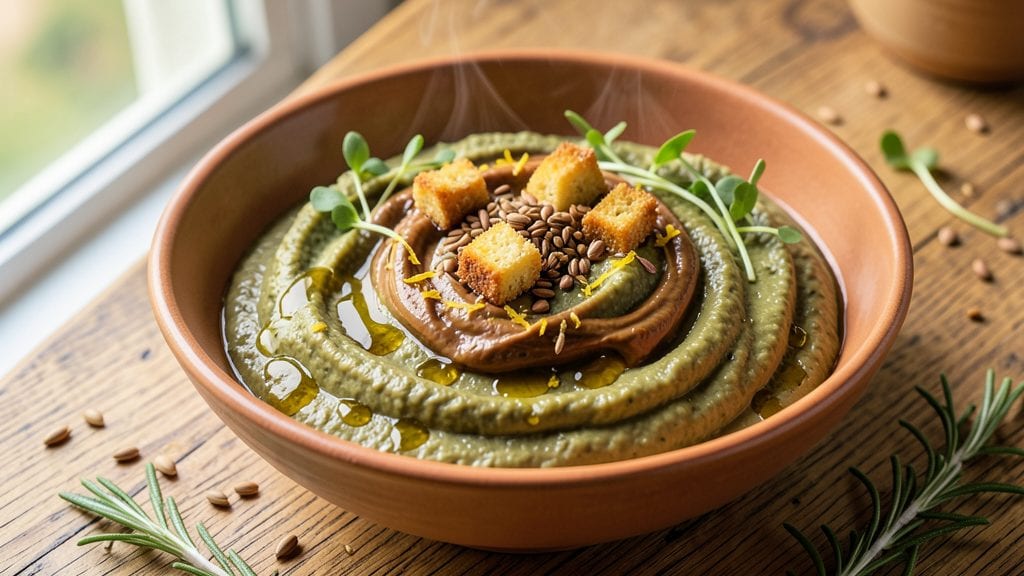
Transforming canned fava beans into this lemon-garlic hummus with a crunchy tahini topping is one of those game-changing recipes that proves pantry staples can deliver restaurant-quality results.
The secret lies in blending fava beans with bright citrus and aromatic garlic, then finishing with a toasted tahini that adds texture and depth. I developed this recipe after discovering how versatile canned fava beans are—no soaking, no peeling, just pure convenience with bold flavor.
This hummus stands out with its zesty lemon brightness and nutty tahini crunch, making it perfect for dipping, spreading, or even as a sandwich filling. The preparation takes just 15 minutes and requires minimal ingredients, yet the flavor complexity rivals artisanal versions.
The key is using high-quality tahini and fresh lemon juice to balance the earthy fava beans, creating a harmonious blend that's both sophisticated and approachable.
What you'll end up with is a creamy, velvety hummus with pockets of toasted tahini that add satisfying texture. The lemon-garlic base ensures every bite is vibrant and aromatic, while the tahini topping provides a nutty contrast.
This dish proves that canned fava beans aren't just a shortcut—they're the foundation for something extraordinary. Ready to elevate your snack game?
Serve this hummus with warm pita, fresh vegetables, or as a topping for grilled chicken. The possibilities are endless, and the process couldn't be simpler. Let's get started on this flavor-packed creation that will have everyone asking for seconds.
Ingredients for canned fava beans
Pantry staples and fresh citrus transform into this vibrant, restaurant-quality lemon-garlic hummus.
| Ingredient | Amount | Notes |
|---|---|---|
| Canned Fava Beans 🌱 | 15 oz | Drained, rinsed, and peeled |
| Extra-Virgin Olive Oil 🫒 | ½ cup | High-quality, fruity variety |
| Fresh Lemon Juice 🍋 | 0.3 cup | Strained, seeds removed |
| Tahini 🥜 | ¼ cup | Sesame paste, unsweetened |
| Garlic Cloves 🧄 | 4 cloves | Peeled, roasted for mellow flavor |
| Ground Tahini 🥜 | ¼ cup | Toasted for crunchy texture |
| Diamond Crystal Kosher Salt 🧂 | ½ tsp | Fine grain preferred |
| Fresh Cilantro 🌿 | ¼ cup | Chopped, stems removed |
| Toasted Sesame Seeds 🌾 | 1 tbsp | For garnish and texture |
| Water 💧 | ¼ cup | Room temperature preferred |
| Cumin Seeds 🌿 | ½ tsp | Toasted for aromatic depth |
| Pitted Kalamata Olives 🫒 | ¼ cup | Chopped, for briny contrast |
The foundation starts with high-quality tahini—skip the cheap stuff, as it lacks the nutty depth needed here. Whole Foods or specialty Middle Eastern markets carry the best, like Al Yaman or Soom brands. For fava beans, Goya or Imperial brands are reliable, but always check for firm texture and minimal liquid. Fresh lemon juice is non-negotiable; bottled versions lack the brightness. Roast the garlic cloves whole in their skins over low heat for 20 minutes—this mellows their sharpness and creates a caramelized aroma that elevates the entire dish. The cumin seeds should be toasted in a dry pan until fragrant, then ground lightly to release their earthy notes without overpowering.
No tahini? Substitute with equal parts peanut butter and sesame oil, though texture will differ. Short on lemon juice? Lime juice works in a pinch, but reduce by half due to its sharper acidity. The ground tahini topping can be swapped for crushed pistachios or walnuts if sesame allergies are a concern. For a smoky twist, add 1/4 tsp smoked paprika to the hummus base. The Kalamata olives add briny contrast—substitute with green olives if unavailable, but adjust salt accordingly. Prefer a smoother texture? Blend in an extra 2 tbsp water while processing, but don't overdo it or the hummus will lose its body.
This hummus stores beautifully in an airtight container with a thin layer of extra-virgin olive oil on top to preserve freshness. Keeps for 5-6 days in the refrigerator, though flavor peaks within the first 2 days. For longer storage, freeze in ice cube trays—thaw and blend with a splash of water to restore creaminess. The toasted tahini topping can be prepped ahead and stored separately for up to 1 week. Garnish with fresh cilantro and sesame seeds just before serving to maintain vibrant color and aroma. Portion into small containers for easy snacking or meal prep.
Why You'll Love This Recipe
- No-Chop Required: Open a can, mash a few beans—done. The tahini and lemon do all the work while you sip your coffee. Honestly, I’ve made this while still in my pajamas.
- Tahini Magic: That creamy tahini base turns everything rich and nutty, while the garlic and lemon cut through it like a bright summer breeze. It’s the kind of flavor that makes you reach for seconds without even thinking.
- Lunch or Snack: Slather it on toast for a quick lunch, or serve it as a dip with crusty bread when friends drop by. Between us, I’ve also used it as a pasta sauce in a pinch—no judgment.
- Budget Brilliance: Canned fava beans and tahini are pantry staples that won’t break the bank. A single can lasts me two meals, and the leftovers? Perfect for a lazy afternoon spread. My wallet and taste buds thank me.
Step-by-step instructions for lemon-garlic hummus with crunchy tahini topping
Transform canned fava beans into a vibrant, textured hummus with this precise method.
Prepare the Fava Bean Base
Drain and rinse the 15 oz canned fava beans thoroughly to remove any residual liquid. Transfer them to a food processor fitted with the metal blade attachment. Add the 0.3 cup fresh lemon juice, 4 peeled garlic cloves, 0.5 tsp diamond crystal kosher salt, 0.5 tsp toasted cumin seeds, and 0.25 cup water. Process on medium speed until the mixture becomes smooth and creamy, scraping down the sides as needed.
This foundational blend should have a bright yellow color and a slightly thick, spreadable consistency. If the mixture appears too dry, add 1 tablespoon of water at a time until it reaches the desired texture. The acidity from the lemon juice will help break down the beans' natural starches, creating a stable emulsion for the hummus.
Incorporate Tahini and Olive Oil
With the food processor running on low speed, slowly drizzle in the 0.5 cup extra-virgin olive oil. This gradual incorporation prevents the oil from separating and creates a silky, velvety texture. Add the 0.25 cup tahini next, processing until fully combined and the mixture becomes smooth and glossy.
Pause occasionally to scrape down the sides of the processor bowl, ensuring all ingredients are evenly incorporated. The tahini will add a rich, nutty depth while the olive oil contributes a luxurious mouthfeel. You'll notice the hummus thicken slightly as the tahini and oil blend with the bean mixture.
Create the Crunchy Tahini Topping
In a small bowl, combine the 0.25 cup ground tahini with 1 tablespoon toasted sesame seeds. Add 1 tablespoon of the extra-virgin olive oil reserved from the hummus and mix until the mixture reaches a thick, spreadable consistency. The ground tahini should have a coarse, crumbly texture that will provide contrast to the smooth hummus.
This topping is where the texture magic happens. The ground tahini adds a nutty crunch, while the sesame seeds contribute an extra layer of toasty flavor. Set this mixture aside until ready to use. If it becomes too dry, add 1 teaspoon of water at a time to achieve the perfect spreadable consistency.
Finish with Fresh Herbs and Olives
Transfer the hummus to a serving bowl and spread it evenly. Dollop the tahini topping around the edges, creating a visually appealing contrast. Gently fold in the 0.25 cup chopped fresh cilantro and 0.25 cup chopped pitted kalamata olives, reserving a few for garnish. The olives will add a briny, salty contrast that balances the creamy hummus.
Drizzle with an additional 1 tablespoon of extra-virgin olive oil and sprinkle with the reserved sesame seeds and chopped olives. The final presentation should showcase the vibrant colors and textures of all components. Serve immediately with warm pita bread or fresh vegetables for dipping.
Rest and Adjust Consistency
Allow the hummus to rest for 15-20 minutes before serving. This resting period allows the flavors to meld and the textures to settle. If the hummus becomes too thick after resting, add 1-2 tablespoons of water at a time until it reaches a smooth, spreadable consistency.
The final product should have a bright yellow color with visible specks of ground tahini, chopped cilantro, and olives. Each bite should deliver a harmonious blend of creamy fava bean base, nutty tahini crunch, and fresh herb brightness. The lemon-garlic flavor profile will shine through, making this hummus a standout appetizer or snack.
Pro Tips For Making Canned Fava Beans
- Drain, Rinse, Repeat: Canned fava beans come packed in brine or water—both leave residue that dulls flavors. Drain them, then rinse under cold water twice to remove excess salt or starch. I learned this the hard way when my first batch tasted flat; the leftover brine was overpowering the tahini and lemon.
- Toast the Tahini: Warm your tahini in a small saucepan over low heat for 2–3 minutes before mixing it in. This softens its bitterness and makes it blend smoother with the olive oil—no lumps, no weird texture. (Yes, even if you’re impatient like me.)
- Mash, Don’t Blend: Skip the immersion blender unless you want a paste. Use a fork or potato masher to lightly crush the fava beans, leaving some texture. The contrast of creamy tahini with slightly chunky beans is what makes this dish interesting—not a smooth puree.
- Zest the Lemon First: Grate the lemon zest before juicing it, then toss it into the bowl with the tahini and garlic. The zest brightens the whole dish instantly, and you won’t forget it halfway through like I did that one time. (Pro move: use a microplane for maximum flavor.)
Flavor customization for this dish
Zesty Citrus Twist
Swap the lemon juice for orange juice (about 0.3 cup) to create a sweeter, subtly floral profile. Add 1 tsp grated orange zest for extra aroma and a vibrant color.
For a tropical variation, mix 0.2 cup lime juice with 0.1 cup lemon juice—this brightens the hummus while adding a tangy complexity. The acidity from citrus helps balance the earthy fava beans beautifully. 🍊
Smoky Spice Fusion
Infuse the hummus with smoky depth by adding 1 tbsp smoked paprika or ½ tsp chipotle powder to the base. For extra heat, include 1-2 diced chipotle peppers in adobo sauce (seeds removed) while blending.
This works especially well with the tahini topping, creating a perfect smoky-sweet contrast. The smoky elements pair wonderfully with the nutty tahini and bright citrus. 🔥
Herb-Forward Variations
Swap the cilantro for fresh dill (about 0.25 cup chopped) to create a Mediterranean-inspired version. For a more complex herb blend, combine 0.1 cup chopped dill with 0.1 cup chopped mint.
Both herbs add a fresh, bright note that complements the lemon and garlic beautifully. Garnish with extra herbs for a vibrant finish. 🌿
Spiced Nutty Toppings
Replace the tahini topping with crushed pistachios (about 0.25 cup) for a sweet, buttery crunch. For a savory twist, use toasted walnuts or almonds (about 0.25 cup) mixed with 1 tsp za'atar.
These alternatives add different textures and flavors while keeping the dish nutty and satisfying. The pistachios work especially well with the lemon-garlic base. 🌰
Sweet and Savory Balance
Add a touch of sweetness by incorporating 1 tbsp honey or maple syrup into the hummus base. This balances the tangy lemon and nutty tahini beautifully. For a savory-sweet contrast, fold in 2 tbsp chopped roasted red peppers along with the olives.
The sweetness enhances the overall flavor profile while adding complexity. 🍯
Global Flavor Adaptations
Transform this hummus into a Middle Eastern-inspired version by adding 1 tsp ground coriander and ½ tsp cinnamon. For an Indian twist, include 1 tsp garam masala and ½ tsp turmeric.
These spices add warmth and depth, making the hummus adaptable to various global cuisines while keeping the lemon-garlic foundation intact. 🌍
Nutrition facts
Frequently asked questions
Do I need to peel canned fava beans before using them?
Yes, always peel canned fava beans for this recipe. The skins can make the hummus gritty and affect texture. Simply rub the beans between your fingers under running water to remove the skins before processing. This step takes just 2-3 minutes but makes a huge difference in smoothness.
Can I use dried fava beans instead of canned?
While possible, it's not recommended for this recipe due to time constraints. Dried fava beans require 8-12 hours of soaking followed by 1-2 hours of cooking, which changes the texture significantly. Canned beans provide consistent, ready-to-use results with optimal flavor for hummus.
How do I fix hummus that's too thick or too thin?
For thick hummus, add 1 tablespoon water at a time while blending. If too thin, mix in 1 tablespoon tahini or olive oil gradually. The ideal consistency should be smooth yet spreadable—like thick yogurt. Always taste as you adjust!
Is tahini necessary for this recipe?
While tahini adds essential nutty depth, you can substitute with peanut butter + 1 tbsp sesame oil (equal parts). For best results, use high-quality tahini—it makes the difference between ordinary and extraordinary hummus. The crunchy topping is where tahini truly shines!
How long will this hummus keep fresh?
Store in an airtight container with a thin layer of olive oil on top. It stays fresh for 5-6 days in the fridge, though flavor peaks within 2 days. For longer storage, freeze in ice cube trays—thaw and blend with water to restore texture.