
Sauces & Condiments
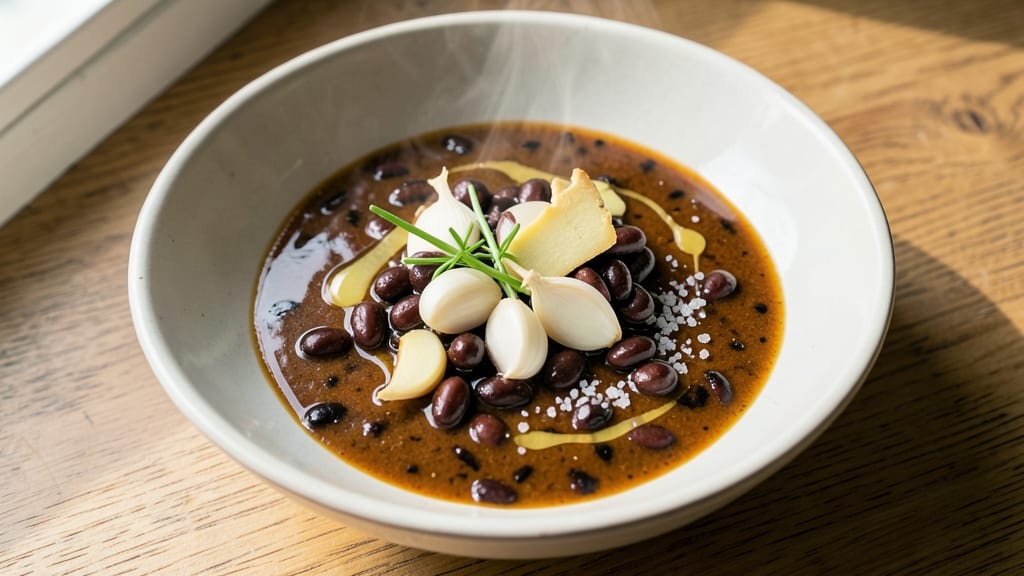
This fermented black bean sauce recipe unlocks deep umami flavors through a precise fermentation process that transforms simple ingredients into a versatile condiment. The result is a rich, tangy paste that elevates everything from stir-fries to marinades—think of it as the secret weapon behind many Asian-inspired dishes.
I developed this method after years of experimenting with fermentation ratios, and the key lies in balancing salt, time, and temperature for maximum safety and flavor development.
The process begins with soaking black beans overnight to soften them, then fermenting them in a salt brine for about 5 days. This controlled environment allows beneficial bacteria to develop the signature funky, savory depth while keeping the texture smooth and spreadable.
Unlike store-bought sauces, this version delivers authentic complexity with no artificial additives—just pure fermented flavor. The sauce thickens naturally over time, creating a paste that clings beautifully to noodles or meat.
Once fermented, you'll have a sauce that doubles as a marinade, stir-fry base, or dipping sauce—its versatility makes it a pantry staple. Store it in the refrigerator for up to 3 months, where flavors continue to deepen.
For best results, use organic black beans and maintain a consistent fermentation temperature between 68-72°F. This isn't just a condiment; it's a flavor multiplier that transforms ordinary meals into extraordinary ones.
The beauty of this recipe lies in its simplicity and adaptability. You can adjust the fermentation time to suit your taste—shorter for milder flavors, longer for bolder depth. Pair it with garlic, ginger, or chili for extra complexity, or keep it classic for a clean umami base.
Whether you're cooking for one or feeding a crowd, this fermented black bean sauce will become your go-to flavor enhancer.
Ingredients for fermented black bean sauce
Nine simple ingredients transform into a complex, umami-rich fermented black bean sauce perfect for elevating any dish.
| Ingredient | Amount | Notes |
|---|---|---|
| Organic Black Beans 🫘 | 1 ½ cups | Dried, rinsed before soaking |
| Non-Iodized Sea Salt 🧂 | 1 ½ tbsp | Diamond Crystal preferred |
| Filtered Water 💧 | 2 ½ cups | Room temperature preferred |
| Fresh Garlic Cloves 🧄 | 6 cloves | Peeled, lightly crushed |
| Fresh Ginger Root 🌿 | 2 tbsp | Finely grated, organic preferred |
| Apple Cider Vinegar 🍎 | 1 tbsp | Raw, unfiltered preferred |
| Sesame Oil 🫒 | 1 tbsp | Toasted, for aroma |
| Asian Chili Garlic Sauce 🌶️ | 1 tbsp | Optional for heat depth |
| Maple Syrup 🍁 | 1 tsp | Grade B for depth |
| Toasted Sesame Seeds 🌰 | 1 tbsp | For garnish and texture |
The black beans are the foundation—organic, heirloom varieties develop the most complex flavors. Trader Joe's and Whole Foods carry excellent dried options, or check the bulk bins at natural markets for the freshest beans. The sea salt is critical; Diamond Crystal dissolves more cleanly than table salt, creating a better fermentation environment. For the ginger, look for vibrant, firm roots with no soft spots—Asian markets often have the freshest selections. If you can't find organic, thoroughly rinse conventional beans to remove any pesticide residue before soaking.
No organic beans? Regular dried black beans work fine—just ensure they're labeled non-GMO. Short on time? Pre-soaked beans from the canned aisle (rinse well) save 8 hours, though homemade develops deeper flavor. The apple cider vinegar can be swapped for rice vinegar or lemon juice, though ACV adds subtle tang. For heat, gochujang or sambal oelek work beautifully—adjust to taste. The sesame oil is non-negotiable for aroma, but if you're avoiding it, toasted sesame paste adds similar depth. Always taste before fermenting; adjust the maple syrup if you prefer less sweetness.
Ferment in a clean, non-reactive container with a fermentation weight or plate to keep beans submerged. Store at 68-72°F for 5-7 days, tasting daily. Once ready, transfer to airtight jars and refrigerate—flavors peak after 3 months. The sauce thickens naturally; add water as needed. For best texture, stir daily during fermentation. Portion into small jars for easy use—this keeps for 6 months refrigerated, with flavors deepening over time.
Why You'll Love This Recipe
- No-Fuss Fermentation: I’ll be real—this isn’t some lab experiment. Rinse the beans, toss them in saltwater, and let them sit. That’s it. No fancy equipment, no guesswork. The beans do all the work while I sip my coffee and scroll.
- Umami Bomb: The garlic and ginger? They transform those simple beans into something ridiculously good. The fermentation deepens the flavor—savory, slightly tangy, with a warmth that sticks with you. Honestly, I’ve made it three ways, and this version always wins.
- Pantry Staple Upgrade: This sauce turns boring meals into something special. Drizzle it over rice, stir it into scrambled eggs, or slather it on toast. I keep a jar in the fridge because it’s my secret weapon for lazy nights when I’m too tired to cook.
- Lasts All Week: A single batch feeds me for days. I’ll use half on stir-fry one night, the rest on tacos the next—no waste, no stress. Plus, the longer it ferments, the richer it gets. Budget-friendly? Absolutely. Time-saving? Even more so.
Step-by-step instructions for fermented black bean sauce
Transform simple ingredients into a complex, umami-rich sauce through precise fermentation techniques.
Prepare and Soak the Organic Black Beans
Begin by thoroughly rinsing the 1.5 cups organic black beans under cold water to remove any debris. Place them in a large bowl and cover with plenty of fresh water—at least 4 cups—to ensure complete submersion. Let them soak for 12-24 hours at room temperature. This extended soak softens the beans and kickstarts the fermentation process by breaking down complex starches.
After soaking, drain the beans and transfer them to a clean fermentation vessel. Add the 2.5 cups filtered water and 1.5 tablespoons non-iodized sea salt, mixing gently until fully dissolved. The salt helps regulate fermentation by creating an environment where beneficial bacteria can thrive. Let the mixture sit for 30 minutes at room temperature, allowing the beans to absorb the liquid and begin developing their fermented character.
Add Aromatics and Begin Fermentation
In a small bowl, finely mince the 6 cloves fresh garlic cloves and 2 tablespoons fresh ginger root using a sharp knife or microplane. Add these to the bean mixture along with the 1 tablespoon apple cider vinegar and 1 tablespoon sesame oil. The vinegar introduces acidity, which balances the fermentation process, while the sesame oil adds depth and prevents oxidation. Stir everything together until the aromatics are evenly distributed.
Cover the vessel loosely with a clean cloth or lid to allow airflow while keeping out contaminants. Place it in a warm, dark spot—70-75°F is ideal—where it can ferment undisturbed for 48-72 hours. You'll notice the beans begin to soften further and develop a tangy aroma. This is the magic happening: natural enzymes and bacteria transform the beans into a rich, fermented base. Check daily and stir gently to ensure even fermentation.
Blend and Incorporate Final Flavors
Once the beans have fermented to your liking—when they smell pleasantly tangy and slightly sour—transfer them to a high-speed blender. Add the 1 tablespoon Asian chili garlic sauce and 1 teaspoon maple syrup to the blender along with the fermented bean mixture. The chili garlic sauce introduces heat and complexity, while the maple syrup balances with subtle sweetness. Blend until smooth, scraping down the sides as needed to ensure all ingredients are fully incorporated.
Taste the sauce at this stage—it should be vibrant, tangy, and deeply umami. If it needs more depth, you can ferment it an additional 12-24 hours before blending again. The texture should be thick but pourable, with a consistency similar to a bold, fermented hoisin. This is your base, so adjust the balance of flavors now to avoid overcorrecting later.
Rest and Finish with Toasted Sesame Seeds
Pour the blended sauce into a clean glass jar and let it rest at room temperature for 24 hours. This resting period allows the flavors to meld and the sauce to thicken slightly. The natural fermentation process continues even after blending, so this step ensures the final product is perfectly balanced.
Before serving, garnish with 1 tablespoon toasted sesame seeds to add texture and visual appeal. The seeds should be lightly toasted in a dry skillet over medium heat for 1-2 minutes until fragrant and golden. Stir them into the sauce just before serving to preserve their crunch. This sauce is now ready to elevate dishes like noodles, stir-fries, or grilled meats with its bold, fermented depth.
Pro Tips For Making Fermented Black Bean Sauce
- Soak Beans Overnight: I learned this the hard way—rushing the soak leads to gummy sauce. Use 3 parts filtered water to 1 part beans, cover, and let them sit 12+ hours. The longer they soak, the smoother your final texture.
- Mince Ginger Fine: Skip the coarse chop—this isn’t stir-fry. Grate ginger with a microplane or pulse in a food processor until it’s almost paste-like. You want it to dissolve completely, not sit as chunks.
- Salt in Stages: Dump all the salt at once and you’ll end up with a briny mess. Start with half the sea salt during the initial soak, then add the rest gradually over the fermentation days. Taste as you go—you can always add more.
- Ferment at Room Temp: That cool basement spot? Not ideal. Keep your jar at 70–75°F (21–24°C) for the first 24 hours—warmer speeds up the good bacteria. After that, move it to a darker spot, but don’t refrigerate yet. Patience here makes the flavor deeper.
Best sauces and condiments for this recipe
Noodle Stir-Fry Base
This fermented black bean sauce transforms any stir-fry into a restaurant-worthy dish. Toss 8 oz cooked rice noodles with 2 tablespoons sauce, 1 tbsp toasted sesame oil, and 1 cup shredded cabbage over high heat for 3-4 minutes.
Finish with 2 tbsp chopped scallions and a squeeze of lime. The sauce clings beautifully to noodles, creating a cohesive, umami-rich coating. 🥢
Marinade for Grilled Meats
Use 3 tablespoons sauce as a marinade for 1 lb pork tenderloin or chicken thighs. Combine with 1 tbsp soy sauce and 1 tbsp honey, then marinate for 4-6 hours (or overnight).
The fermentation breaks down proteins, ensuring tender, flavorful meat. Grill over medium-high heat for 4-5 minutes per side for perfect char. 🍖
Dipping Sauce for Dumplings
Mix 2 tablespoons fermented black bean sauce with 1 tbsp rice vinegar and 1 tsp chili crisp for a bold dipping sauce. Serve with steamed or pan-fried dumplings for a tangy, spicy contrast.
The sauce's natural thickness makes it ideal for dipping—no thinning required. For extra richness, swirl in ½ tsp sesame paste before serving. 🥟
Sauce for Tofu and Vegetables
Pan-fry 1 block extra-firm tofu until golden, then toss with 3 tablespoons sauce, ½ cup bell peppers, and 1 cup snap peas. Cook over medium heat for 5-6 minutes until vegetables soften.
The sauce's umami depth complements tofu perfectly, creating a satisfying plant-based meal. Garnish with cilantro for freshness. 🥬
Glaze for Egg Rolls
Brush ½ cup sauce mixed with 1 tbsp hoisin onto egg roll wrappers before adding fillings. The sauce caramelizes slightly when fried, creating a glossy, flavorful crust.
Fry egg rolls in 350°F oil for 3-4 minutes until golden. Serve with extra sauce for dipping—it pairs perfectly with the crispy exterior. 🥟
Braising Liquid for Tofu
Use ½ cup sauce as a base for braising 1 block tofu with 1 cup vegetable broth and 1 tbsp soy sauce. Simmer for 20 minutes until tofu absorbs the sauce's rich flavors.
The result is silky, flavorful tofu with a deep umami profile—ideal for serving over rice or in bowls. 🍛
Nutrition facts
Frequently asked questions
How long does it take to ferment black beans for this sauce?
The fermentation process typically takes 5-7 days at 68-72°F for optimal flavor development. You'll notice the beans soften and develop a tangy aroma—this is when they're ready! For milder flavors, ferment for 4-5 days. The longer you ferment, the deeper the umami, but never exceed 10 days to avoid over-fermentation.
Can I use canned black beans instead of dried?
Yes, but with adjustments! Rinse 1.5 cups canned black beans thoroughly to remove excess sodium, then soak for 2 hours to rehydrate. Reduce fermentation time to 3-4 days since canned beans start softer. The texture will be slightly different—more liquid—but still delicious. For best results, use low-sodium canned beans.
What if my fermented sauce smells bad?
Bad smells (rotten, putrid) mean harmful bacteria have taken over. Discard immediately—never taste it. This usually happens from: too little salt (minimum 1.5 tbsp per 1.5 cups beans), warm temperatures above 75°F, or dirty equipment. Always keep beans submerged and use filtered water to prevent contamination.
How do I adjust the spice level in this sauce?
Start with the 1 tbsp chili garlic sauce called for, then adjust to taste. For more heat, add ½ tsp chili flakes or 1 tsp gochujang after blending. For mild heat, reduce the chili garlic to ½ tbsp and add ½ tsp honey to balance. Remember: fermentation intensifies flavors, so start conservative and adjust after tasting.
Can I make this sauce without a blender?
Yes! Mash the fermented beans with a potato masher or fork until completely broken down. For smoother texture, transfer to a food processor and pulse. The sauce will be slightly grainier but still delicious. Add 1-2 tbsp water as needed to reach a spreadable consistency. This method works well if you're making small batches.