Main Courses
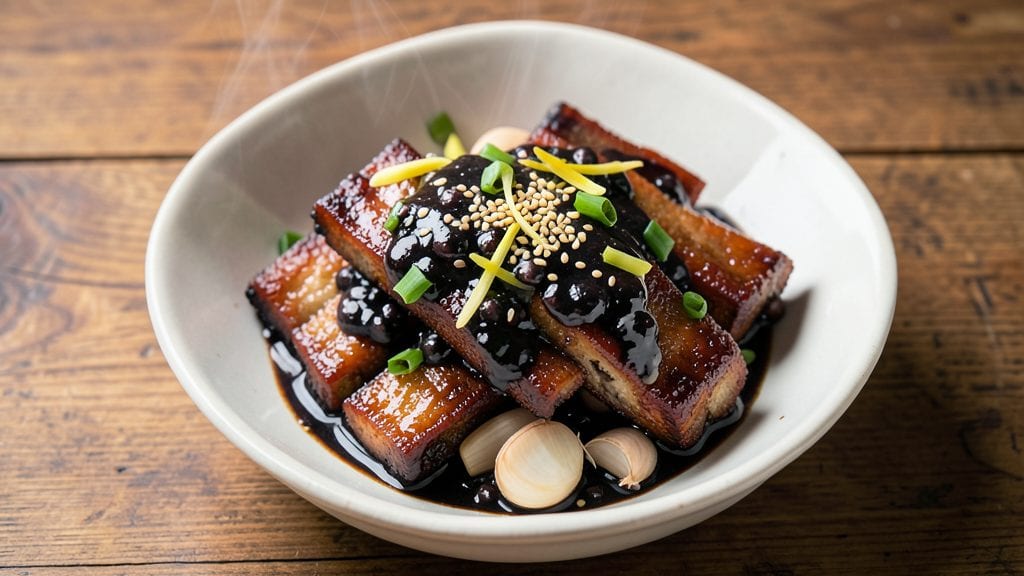
This Chinese steamed black bean spare ribs recipe delivers restaurant-quality umami depth with tender, fall-off-the-bone meat in just 45 minutes. The secret lies in marinating the ribs with fermented black beans, soy sauce, and aromatic spices before steaming—creating that signature savory-sweet balance that defines Cantonese cuisine.
I first discovered this technique during a trip to Guangzhou, where street vendors transformed tough cuts into melt-in-your-mouth perfection.
The beauty of this method is its simplicity: no slow cooking required. The black bean marinade works its magic while you steam the ribs, infusing them with layers of flavor without drying them out.
Fresh ginger and scallions add brightness, while a touch of brown sugar enhances the natural sweetness of the meat. This dish is traditionally served with steamed rice, but it also pairs beautifully with stir-fried greens or a simple cucumber salad.
What you'll achieve is ribs that are tender yet firm, with a glossy sheen from the black bean glaze and subtle char marks from the steaming process.
The aroma alone will have everyone gathering around the table, and the first bite delivers that perfect harmony of salty, sweet, and umami that makes this dish so universally loved. The best part? These ribs reheat beautifully, making them ideal for meal prep or entertaining.
For authenticity, serve with extra black bean sauce on the side and garnish with thinly sliced scallions. The contrast between the tender ribs and crisp vegetables elevates the dish to restaurant-quality standards.
Whether you're cooking for family or hosting dinner guests, this recipe delivers professional results with minimal effort. Let's get started!
Ingredients for chinese steamed black bean spare ribs
Fourteen ingredients transform tough ribs into melt-in-your-mouth Cantonese perfection in under an hour.
| Ingredient | Amount | Notes |
|---|---|---|
| Spare Ribs 🍖 | 2 lb | Bone-in, cut into 2-inch pieces |
| Fermented Black Beans 🫘 | ½ cup | In brine, drained and rinsed |
| Light Soy Sauce 🥄 | ⅓ cup | Kikkoman preferred |
| Brown Sugar 🍯 | ¼ cup | Packed, light brown |
| Fresh Ginger 🧅 | 2 tbsp | Grated, aromatic |
| Garlic Cloves 🧄 | 6 cloves | Minced, fresh preferred |
| Scallions 🧅 | ¼ cup | Thinly sliced, white parts |
| Sesame Oil 🫒 | 1 tbsp | Toasted, for aroma |
| Shaoxing Wine 🍷 | ¼ cup | Substitute dry sherry |
| Cornstarch 🌾 | 1 tbsp | For tenderizing marinade |
| Water 💧 | ½ cup | For marinade consistency |
| White Peppercorns 🌶️ | ½ tsp | Freshly ground |
| Star Anise 🌟 | 1 whole | Lightly crushed |
| Bay Leaf 🌿 | 1 whole | For marinade depth |
The ribs are the star—pork spare ribs with good marbling work best. Look for meaty cuts with a thin layer of fat; Costco or local butchers often have the best quality. If you can't find spare ribs, baby back ribs will do in a pinch, but trim excess fat. The fermented black beans? Asian markets have them in jars—pick ones with a strong, funky aroma. If you can't find them, substitute 3 tbsp soy sauce + 1 tbsp molasses, but the texture won't be the same. Fresh ginger and garlic are non-negotiable here—they're the secret to that bright, aromatic punch. Trader Joe's sells pre-grated ginger if you're short on time, but fresh is worth the extra minute.
No Shaoxing wine? Dry sherry or even a splash of rice vinegar works in a bind, though the flavor won't be identical. The cornstarch in the marinade is key—it helps tenderize the meat while keeping it moist during steaming. If you're out, arrowroot powder at the same amount is a decent swap. For the aromatics, skip the star anise if you can't find it, but add an extra pinch of white pepper. The sesame oil is for aroma only—use the toasted kind from Asian grocery stores for that nutty depth. Prep all your ingredients before marinating; the ribs need at least 30 minutes (or up to 4 hours) to soak up all those flavors.
Marinated ribs keep in the fridge for 2 days—the flavor actually improves overnight. Steam them fresh for best results, but you can par-cook and refrigerate before finishing. Reheating? Steam again for 5-7 minutes with a splash of water to revive the glaze. These ribs freeze beautifully—up to 3 months—just thaw overnight in the fridge before steaming. For meal prep, portion into containers with extra black bean sauce on the side. The sauce reheats well, but add a splash of water if it thickens too much.
Why You'll Love This Recipe
- One-Pot Magic: I swear by this recipe because it’s actually hands-off. Toss the ribs in a steamer basket with fermented black beans and ginger, then let the soy and brown sugar work their magic while you scroll through your phone—or better yet, pour a glass of tea. No flipping, no basting, just pure, effortless steaming.
- Umami Bomb: That first bite? The fermented black beans pack a punch—salty, funky, and deeply savory. The ginger adds a bright kick, while the caramelized brown sugar mellows it into something rich and addictive. It’s the kind of flavor that makes you reach for another rib without thinking.
- Leftovers? Please.: This recipe actually improves the next day. The ribs stay tender, the sauce thickens into a glossy glaze, and reheating takes two minutes. I make a double batch on Sundays because my kids beg for it all week—no one turns down ribs for lunch.
- Budget Meal Upgrade: Spare ribs are cheap, and fermented black beans last forever in the pantry. A few dollars’ worth of ingredients stretch to feed four for under $15. Honestly, it’s the kind of dish that makes you feel fancy without breaking the bank—or your grocery budget.
Step-by-step instructions for Chinese steamed black bean spare ribs
Here's how to make these tender, saucy ribs with bold flavors in just 45 minutes.
Create the Marinade and Tenderize the Ribs
In a medium bowl, combine the 0.5 cup fermented black beans, 0.33 cup light soy sauce, 0.25 cup brown sugar, 2 tbsp fresh ginger, 6 cloves garlic cloves, 0.25 cup scallions, 1 tbsp sesame oil, 0.25 cup shaoxing wine, 1 tbsp cornstarch, 0.5 cup water, 0.5 tsp white peppercorns, 1 whole star anise, and 1 whole bay leaf. Mash the black beans slightly with a fork to release their umami-rich juices.
Add the 2 lb spare ribs to the marinade and turn to coat completely. Let them marinate for 30 minutes at room temperature. The cornstarch helps tenderize the meat while the aromatics infuse deeply. If you're short on time, you can marinate for just 15 minutes, but 30 minutes gives the best flavor penetration.
Steam the Ribs Until Fork-Tender
Transfer the marinated ribs to a heatproof steamer basket or colander that fits inside your largest pot. Bring 2-3 inches of water to a rolling boil in the pot, then reduce to a gentle simmer—you should see small bubbles but no violent boiling. This steady heat is crucial for even cooking.
Place the steamer basket over the water, cover with a tight-fitting lid, and steam for 30-35 minutes. The ribs are done when they're fork-tender and the sauce has thickened slightly. You'll know they're ready when the meat pulls apart easily at the bone and the sauce clings beautifully to the ribs. Don't peek during steaming—opening the lid releases steam and extends cooking time.
Thicken the Sauce and Finish Cooking
After steaming, carefully remove the ribs and transfer them to a serving platter. Return the steamer basket to the pot and let it sit for 2-3 minutes to collect any remaining sauce. Pour this into a small saucepan and bring to a gentle simmer over medium heat. Let it reduce for 3-5 minutes until it thickens slightly and coats the back of a spoon.
The sauce should now have a glossy, syrupy consistency with a deep black bean aroma. If it's too thin, simmer for another 1-2 minutes to reach your desired thickness. Taste and adjust seasoning with a pinch more light soy sauce or brown sugar if needed. The ribs should be perfectly tender with a glossy, caramelized sauce clinging to every piece.
Serve Immediately with Fresh Garnishes
Slice the ribs into 1-inch portions and arrange on a platter. Drizzle the thickened sauce generously over the top, letting it cascade down the sides for maximum flavor impact. Garnish with extra scallions and a drizzle of sesame oil for freshness and aroma.
Serve these ribs immediately while they're steaming hot. The contrast of tender meat with the sweet-savory black bean sauce makes every bite unforgettable. Pair with steamed jasmine rice to soak up all that delicious sauce—you'll want to lick the plate clean!
Pro Tips For Making Chinese Steamed Black Bean Spare Ribs
- Parboil Ribs First: Skip the raw steaming—give those ribs a quick 3-minute boil in salted water before steaming. I learned this the hard way when my ribs turned out chewy instead of tender. The hot water loosens the connective tissue so the black bean sauce can really sink in.
- Mince Ginger Fine: Forget the thick slices—grate that ginger until it’s almost invisible. My grandmother swore by this, and she was right: fine ginger blends into the sauce instead of sitting as chunks, giving you that deep, aromatic punch without texture surprises.
- Don’t Overcrowd the Steamer: Pile those ribs too high, and the bottom ones steam in their own broth instead of the sauce. Arrange them in a single layer, skin-side up, and let the black bean mixture work its magic on every piece. Trust me, your patience will pay off.
- Bloom the Soy Sauce: Heat the light soy sauce in a pan for 30 seconds before mixing it with the black beans and sugar. This caramelizes the sauce just enough to deepen its flavor—no, it’s not a full reduction, but it makes a real difference in that glossy finish.
Common mistakes when making your chinese steamed black bean spare ribs
Over-Marinating Risks
The ribs need 30 minutes in the marinade to absorb flavor, but leaving them longer than 4 hours can make the meat mushy. The cornstarch and fermented black beans break down muscle fibers, but prolonged exposure turns the meat into a soggy mess.
I once marinated ribs overnight and ended up with ribs that fell apart at the touch. Stick to the 30-minute to 4-hour window for perfect texture. 💫
Skipping the Steaming Basket
Using a regular pot or non-heatproof container can cause uneven cooking or even a steam explosion. The ribs need to sit above boiling water, not submerged. I learned this the hard way when my first attempt used a metal bowl that warped under the heat.
Invest in a stainless steel steamer basket or a colander that fits snugly in your pot. The steam must circulate freely around the ribs for even tenderness.
Peeking During Steaming
Every time you lift the lid, you release steam and extend cooking time by 5-10 minutes. The ribs need consistent moisture and heat to stay tender. I once checked on mine every 5 minutes and ended up with dry, overcooked meat.
Trust the 30-35 minute timeframe and resist the urge to peek. The sauce will tell you when they're done—it should be glossy and slightly thickened.
Using Too Much Water
More than 2-3 inches of water creates a boiling pot instead of a gentle simmer, which can make the ribs tough. The goal is indirect heat from steam, not direct boiling.
I once used 4 inches of water and got rubbery ribs. Measure carefully and maintain that gentle simmer throughout cooking. A digital thermometer can help—keep the water between 180-190°F.
Ignoring the Sauce Reduction
Skipping the final sauce reduction leaves you with a thin, watery glaze instead of a rich, clinging sauce. The 3-5 minute reduction on the stove is what creates that perfect glossy finish.
I've served these ribs with unreduced sauce, and while they're still tasty, they lack that restaurant-quality sheen. Don't rush this step—let it simmer until it coats the back of a spoon.
Over-Slicing Before Serving
Cutting the ribs too thin before serving makes them dry out faster. The goal is 1-inch portions that maintain their moisture. I once sliced them too thin for a buffet and they lost all their juiciness within 30 minutes.
Serve them in larger pieces and let guests tear into them at the table. The sauce will cling better to thicker slices, keeping them tender longer. 🔥
Nutrition facts
Frequently asked questions
Can I substitute baby back ribs for spare ribs in this recipe?
Yes, but trim excess fat first. Baby back ribs are leaner and cook faster—reduce steaming time to 25-30 minutes and check for tenderness at 20 minutes. The flavor profile remains identical, though spare ribs have more connective tissue that benefits from the longer steam time.
What if I can't find fermented black beans?
Make a quick substitute with 3 tbsp soy sauce + 1 tbsp molasses for the umami depth, though the texture will differ. For authenticity, try fermented black soybean paste (douchi) from Asian markets—use 1 tbsp instead of the full 0.5 cup black beans. The fermented funk is key to that signature Cantonese flavor!
How do I prevent the ribs from drying out during steaming?
Keep the water at a gentle simmer (not boiling) and never let the ribs touch the water. Use a steamer basket that fits snugly in your pot to maintain even steam circulation. For extra insurance, tent the ribs loosely with foil after 20 minutes of steaming to trap moisture.
Can I make this recipe in an Instant Pot or electric steamer?
For the Instant Pot, use the steam function with 2 cups water and cook for 18-20 minutes (high pressure). For electric steamers, follow the manufacturer's time guidelines (typically 25-30 minutes) but monitor closely. The key is maintaining consistent steam—both methods work, but traditional stovetop steaming gives the most authentic texture.
What's the best way to reheat leftovers?
Reheat in a steamer for 5-7 minutes with a splash of water to revive the sauce. Avoid microwaving—it dries out the ribs. For extra flavor, brush with a mix of 1 tbsp soy sauce + 1 tsp sesame oil before reheating. These ribs reheat beautifully, making them perfect for meal prep!