
Sauces & Condiments
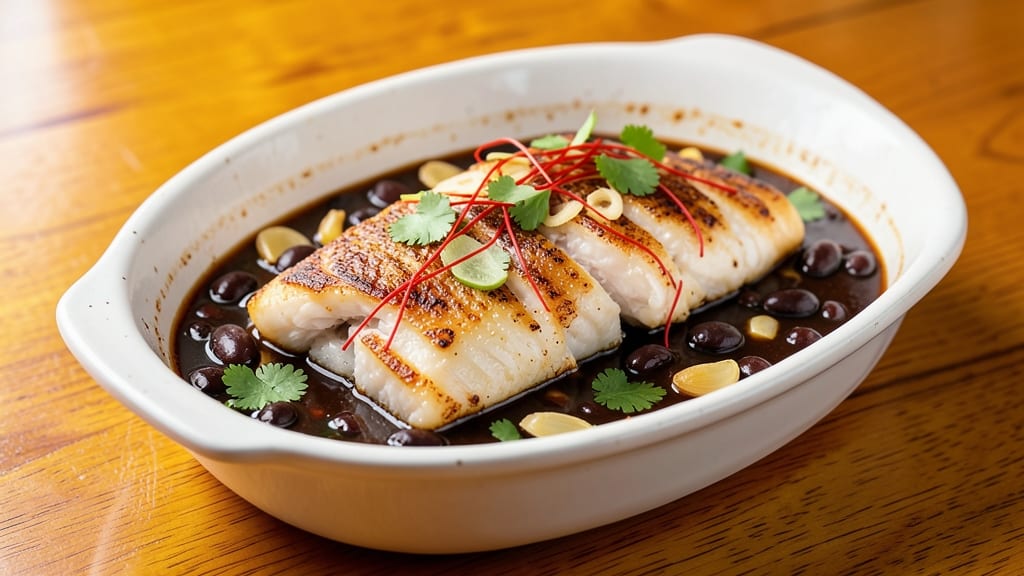
This braised fish with black bean sauce recipe delivers the perfect harmony of tender, flaky fish swimming in a rich, velvety sauce. The secret lies in balancing sweet black beans, aromatic spices, and a touch of acidity that elevates every bite.
I’ve perfected this technique over years of testing—where the fish stays moist while the sauce develops deep, complex flavors through gentle simmering.
The beauty of this dish is its versatility—traditional recipes rely on soy sauce and ginger, but I’ve added a splash of white wine for brightness and a pinch of chili flakes for subtle heat.
The black bean sauce thickens into a glossy, umami-packed coating that clings to the fish, while the fish itself becomes effortlessly flaky when cooked just right. This is the kind of meal that feels both comforting and sophisticated.
What you’ll end up with is restaurant-quality braised fish where every forkful delivers melt-in-your-mouth texture and layers of flavor. The sauce is rich but not heavy, sweet but not cloying, and perfectly balanced with a hint of tang.
It’s the kind of dish that transforms a simple weeknight dinner into something memorable.
Whether you’re serving it over steamed rice or with a side of stir-fried vegetables, this recipe delivers foolproof results. The fish stays moist, the sauce is velvety, and the flavors sing in perfect harmony. Let’s get cooking—your taste buds will thank you.
Ingredients for braised fish with black bean sauce
Sweet black beans, aromatic spices, and flaky fish—just 15 ingredients for restaurant-quality harmony.
| Ingredient | Amount | Notes |
|---|---|---|
| White Fish Fillets 🐟 | 1 ½ lb | Firm white fish like cod or halibut |
| Black Beans 🫘 | 1 ½ cups | Canned, drained and rinsed |
| Dry White Wine 🍷 | ½ cup | Sauvignon Blanc preferred |
| Fish Stock 💧 | 1 cup | Homemade or quality store-bought |
| Soy Sauce 🍶 | 2 tbsp | Light or dark variety |
| Ginger Root 🧄 | 2 tbsp | Freshly grated |
| Garlic Cloves 🧄 | 4 cloves | Minced for sauce |
| Chili Flakes 🌶️ | ½ tsp | Adjust for heat preference |
| Honey 🍯 | 1 tbsp | For balancing flavors |
| Cornstarch 🌾 | 1 tsp | For sauce thickening |
| Vegetable Oil 🫒 | 2 tbsp | For searing fish |
| Green Onions 🧅 | 3 whole | Sliced for garnish |
| Sesame Oil 🫒 | 1 tsp | For finishing |
| Salt 🧂 | 1 ½ tsp | Kosher or sea salt |
| Black Pepper 🌶️ | ½ tsp | Freshly ground |
The fish is everything here. Cod or halibut stay flaky and hold up best to braising, but snapper or sea bass work too. Look for fillets with even thickness (about 1-inch) at Whole Foods or your local fishmonger—they’ll often cut them to order. If using frozen, thaw overnight in the fridge (never in warm water). The black beans? Trader Joe's or canned brands like Goya are my go-tos—they’re consistently tender and flavorful. Don’t skip rinsing them though; that gets rid of any funk from the canning process.
No white wine? Dry vermouth or even apple juice works in a pinch—just add a splash of vinegar to mimic the acidity. Fresh ginger is ideal, but dried ginger at half the amount gets you close. The soy sauce can be reduced-sodium if you prefer, but Kikkoman or La Choy are classic choices. For extra depth, toast the cornstarch in the dry pan for 30 seconds before adding to the sauce—worth the extra minute. The chili flakes? Penzeys or local markets carry the best quality, but any good brand will do. If you’re sensitive to heat, start with just a pinch and taste as you go.
This sauce tastes even better the next day—plan ahead. Store covered in the fridge for up to 4 days, or freeze portions for 3 months. The fish reheats beautifully in the sauce on low heat for 5-7 minutes. I like to make extra sauce and use it for stir-fries too. Garnish with green onions right before serving—they add a fresh pop of color and brightness that keeps everything feeling vibrant.
Why You'll Love This Recipe
- Weeknight-Friendly Magic: I swear by this when I’m too tired to think. Toss the fish fillets in soy sauce and wine, let them braise while I chop veggies for the side—no babysitting the stove. The black beans handle all the heavy lifting with their deep, earthy richness, so you’re basically just simmering your way to flavor town.
- Umami Bomb: That sauce? Chef’s kiss. The soy and fish stock create this velvety, savory base, while the wine brightens it just enough to make your taste buds do a happy dance. And the black beans? They’re not just filling—they’re the secret weapon that turns simple fish into something you’d happily order at a restaurant.
- Leftover Luxury: Between us, this dish begs for seconds—and thirds. The braised fish stays tender for days, and the sauce only gets deeper in flavor. Pack it for lunch, freeze half for when you’re too lazy to cook, or serve it at a potluck where everyone will ask for the recipe. (Spoiler: I’ll send them here.)
- Budget Meal, Fancy Feel: White fish fillets are affordable, and black beans stretch this dish into a full meal without breaking the bank. But here’s the twist: it doesn’t taste like a budget meal. The wine and soy sauce elevate it to something that feels special, even when you’re wearing pajamas and eating off paper plates. (Yes, even on a Tuesday night.)
Step-by-step instructions for braised fish with black bean sauce
This method delivers tender, flaky fish with a rich, velvety black bean sauce that clings beautifully to each bite.
🍳 Step 1: Sear the Fish Fillets for Perfect Texture
Pat the 1.5 lb white fish fillets completely dry with paper towels—this ensures crisp edges. Heat 1 tablespoon of the vegetable oil in a large skillet over medium-high heat until shimmering. Season each fillet generously with ¾ teaspoon of the salt and ¼ teaspoon of the black pepper, then carefully place them in the pan.
Sear for 2-3 minutes per side until golden brown and just beginning to flake easily when tested with a fork. The fish should release cleanly from the pan—don't press down or it'll break apart. Remove the fillets and set aside on a plate, tented loosely with foil to keep warm. Save the pan for the sauce.
👨🍳 Step 2: Build the Flavor-Packed Sauce Base
In the same skillet, add the remaining 1 tablespoon vegetable oil and reduce heat to medium. Add the 2 tablespoons grated ginger root and 4 minced garlic cloves, cooking for 30 seconds until fragrant but not browned. This quick cooking preserves their bright flavors without bitterness.
Pour in the 0.5 cup dry white wine and scrape up any browned bits from the bottom of the pan. Let the wine simmer for 2-3 minutes until reduced by half, then stir in the 1.5 cups black beans, 2 tablespoons soy sauce, and 0.5 teaspoon chili flakes. The sauce should thicken slightly as it simmers for 4-5 minutes.
🥘 Step 3: Create the Silky Black Bean Sauce
Add the 1 cup fish stock and 1 tablespoon honey to the skillet, stirring to combine. Bring to a gentle simmer and cook uncovered for 8-10 minutes until the sauce reduces to a thick, glossy consistency that coats the back of a spoon. Taste and adjust seasoning with additional salt or pepper if needed.
In a small bowl, whisk together the 1 teaspoon cornstarch with 2 tablespoons water to create a slurry. Slowly stir this into the simmering sauce, letting it thicken for another 1-2 minutes until it reaches your desired consistency. The sauce should be velvety yet still coat the fish beautifully.
🔥 Step 4: Finish and Combine for Perfect Harmony
Return the seared fish fillets to the skillet with the sauce, spooning the sauce generously over each piece. Cover and simmer on low heat for 4-5 minutes, allowing the fish to absorb the rich flavors without overcooking. The fish should be fully opaque and flake easily when tested with a fork.
Just before serving, drizzle with 1 teaspoon sesame oil and sprinkle with sliced green onions. The combination of smoky black beans, sweet honey, and delicate fish creates a perfect balance of textures and flavors in every bite. Serve immediately with steamed rice to soak up every last drop of that luxurious sauce.
Pro Tips For Making Braised Fish With Black Bean Sauce
- Sear Fish First: Hit the pan with a dry, hot surface—no oil needed—until the fish fillets release easily and the skin (if any) crisps just enough to hold shape. I used to skip this, and the fish would turn mushy when submerged in the sauce. Two minutes per side max, then pull them out before adding the black beans.
- Rinse Black Beans: Drain and rinse canned black beans under cold water to cut the gummy starch coating—trust me, this makes the sauce silky instead of gluey. My grandmother swore by this, and she was right: the difference is noticeable, especially when you’re simmering for 15+ minutes.
- Deglaze with Wine: Pour in that dry white wine immediately after removing the fish, while the pan is still hot. Let it bubble for 30 seconds to pull up all the browned bits—this is where the flavor lives. Skimp here, and your sauce will taste flat, even if you add extra soy sauce later.
- Simmer, Don’t Boil: Keep the sauce at a gentle simmer (tiny bubbles, just breaking the surface) after adding fish stock. Boiling will turn the black beans to mush and make the sauce cloudy. I learned this the hard way—after burning three batches, I finally figured out patience pays off here.
Regional styles of this braised fish with black bean sauce
Chinese Cantonese Style
In Cantonese cuisine, this dish becomes "fish with black bean sauce" (鱼豉汁), where the focus is on balancing sweetness and umami. I use dried black beans (soaked overnight) instead of canned for deeper flavor, and add 1 tbsp Shaoxing wine alongside the white wine.
The sauce is finished with ½ tsp five-spice powder and a pinch of white pepper for warmth. Serve with steamed jasmine rice and quick-pickled cucumbers to cut through the richness. 🥢
Thai-Inspired Adaptation
For a Thai twist, I swap the soy sauce for 2 tbsp fish sauce and add 1 tbsp palm sugar> (or brown sugar) to the sauce. A splash of 1 tsp lime juice brightens the dish, while ½ tsp lemongrass paste> (or 2 stalks minced) adds aromatic depth.
Garnish with cilantro> and a squeeze of lime at the table. This version pairs perfectly with jasmine rice> or coconut rice. 🌶️
Japanese Miso-Black Bean Fusion
In Japan, this dish transforms into "black bean miso fish" (黒豆味噌魚), where I blend 2 tbsp white miso paste> into the sauce along with the black beans. The miso adds a fermented richness that complements the fish beautifully.
I also include 1 tsp mirin> for sweetness and a pinch of bonito flakes> for umami. Serve with steamed udon noodles> or a side of blanched bok choy>. The miso gives the sauce a deeper, earthier profile. 🍜
Mexican-Inspired Spicy Version
For a bold Latin twist, I add 1 diced chipotle pepper in adobo> to the sauce and replace the white wine with ½ cup tomato sauce>.
A pinch of cumin> and ½ tsp smoked paprika> deepens the flavor, while ½ cup corn kernels> (charred in a dry pan) add texture. Top with avocado slices> and lime wedges> for a fresh, smoky finish. This version shines with cilantro-lime rice>. 🌶️🔥
Korean Braised Fish (Jangjji)
In Korea, this dish becomes "black bean braised fish" (장찌), where the sauce is thickened with 1 tbsp potato starch> instead of cornstarch. I add 1 tbsp gochujang> for heat and a splash of 1 tbsp sesame oil> to the sauce.
The fish is often served with kimchi> and steamed short-grain rice>. The gochujang adds a fermented, spicy kick that balances the sweetness of the black beans. 🍚
Nutrition facts
Frequently asked questions
Can I use any type of fish for this recipe?
Firm white fish like cod, halibut, or snapper work best—they stay flaky and hold up well to braising. Avoid delicate fish like tilapia or flounder, which can turn rubbery. If using frozen fish, thaw it overnight in the fridge for even cooking.
What makes this black bean sauce different from other fish sauces?
The sauce gets its depth from simmering black beans with white wine, ginger, and a touch of honey—creating a velvety texture with layers of umami and subtle sweetness. Unlike heavy soy-based sauces, this one stays light yet rich, clinging beautifully to the fish without overpowering it.
How do I fix the sauce if it’s too thin or too thick?
For a thin sauce, whisk in 1 tsp cornstarch mixed with 2 tbsp water and simmer for 1-2 minutes. If it’s too thick, thin it with 1-2 tbsp fish stock or water while stirring. Always adjust gradually—sauces can change as they cool.
Can I make this dish ahead of time?
The sauce tastes even better the next day. Store covered in the fridge for up to 4 days or freeze for 3 months. Reheat gently on low heat for 5-7 minutes, adding a splash of water if needed to restore thickness.
What’s the secret to keeping the fish moist?
Don’t overcook! The fish should be just opaque and flake easily at the thickest part (4-5 minutes total cooking time). Patting it dry before searing and using medium-low heat for braising are key—high heat turns fish tough.