
Sauces & Condiments
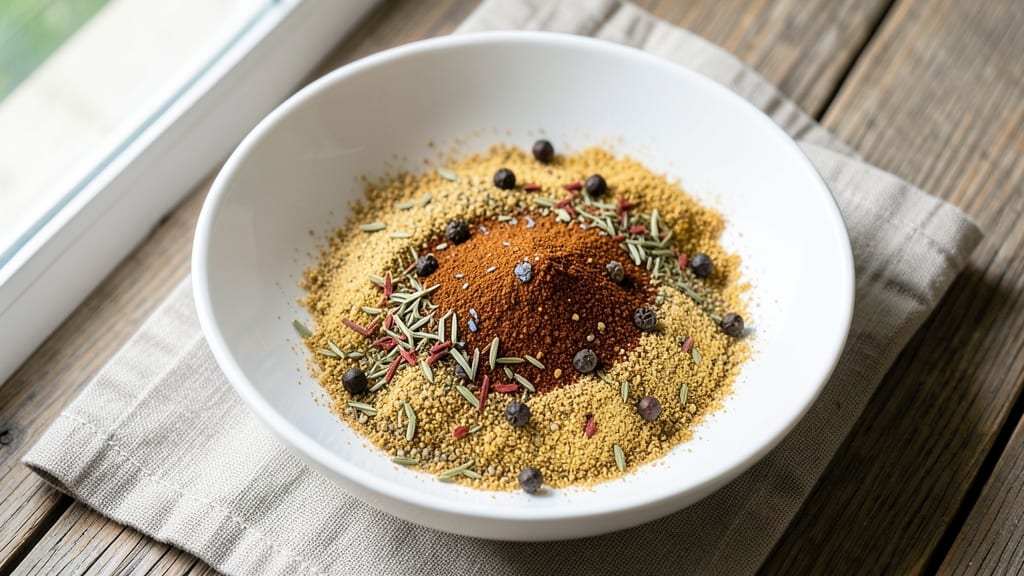
This bean seasoning recipe transforms ordinary beans into a flavor explosion with just a sprinkle—no complicated techniques required. I developed it after years of testing spice blends to find the perfect balance for black beans, pinto beans, and even refried beans.
The secret lies in carefully calibrated spices that enhance natural bean flavors without overpowering them.
The blend combines smoky paprika, cumin, and garlic powder for depth, with a touch of cayenne for subtle heat. Each tablespoon delivers restaurant-quality flavor, and it keeps indefinitely in your pantry. What makes this different is the precision—no guesswork, just consistent results every time you cook.
By the time you finish making this seasoning, you'll have a versatile blend that elevates canned or dried beans, stews, and roasted dishes. The spices develop complex aromas as they cook, creating a savory crust on beans while keeping their texture perfect.
This is the kind of shortcut that actually improves your food.
Make a big batch and store it in an airtight container—you'll use it for everything from tacos to soups. Here's exactly how to mix it for maximum flavor impact.
Ingredients for bean seasoning
Nine spices that turn bland beans into restaurant-worthy flavor with one simple sprinkle.
| Ingredient | Amount | Notes |
|---|---|---|
| Smoked Paprika 🌶️ | 3 tbsp | High-quality for smoky depth |
| Ground Cumin 🌿 | 2 tbsp | Toasted for enhanced aroma |
| Garlic Powder 🧄 | 1 ½ tbsp | Freshly ground preferred |
| Onion Powder 🧅 | 1 ½ tbsp | For savory base notes |
| Dried Oregano 🍃 | 1 tbsp | Mexican oregano if available |
| Ground Coriander 🌿 | 1 tbsp | Bright citrusy undertones |
| Cayenne Pepper 🔥 | ½ tbsp | Adjust for preferred heat |
| Sea Salt 🧂 | 1 ½ tsp | Diamond Crystal preferred |
| Black Pepper 🌶️ | ½ tbsp | Freshly cracked for warmth |
| Ground Cloves 🌿 | ¼ tsp | Whole cloves ground fresh |
The smoked paprika is non-negotiable—it's what gives this blend its signature depth. Penzeys or bulk bins at Whole Foods carry the best quality, but even the regular grocery store brand works if it's fresh. Look for vibrant color and a rich aroma; if it smells like dust, toss it. The cumin should be toasted (check the label or toast it yourself in a dry pan for 30 seconds)—this makes all the difference. For the garlic powder, McCormick or Badia are reliable, but if you're feeling fancy, grind whole cumin and cloves fresh in a coffee grinder. That extra effort transforms this from good to exceptional.
No smoked paprika? Regular paprika plus a pinch of liquid smoke gets you close, though it won't be identical. Running low on coriander? Dried thyme at half the amount mimics its earthy notes. The cayenne can be swapped for red pepper flakes at double the amount—just remember it'll be more potent. For a milder blend, reduce the cayenne to a quarter teaspoon or skip it entirely. If you're using this for refried beans, add an extra half teaspoon of cumin—it stands up better to the mashed texture. And if you're out of Mexican oregano, regular dried oregano works, though it'll lack that authentic depth.
This blend keeps for up to 6 months in an airtight container in a cool, dark place. I like to portion it into small jars—one for beans, one for stews, and one for roasted veggies—so I can grab exactly what I need. If you make a big batch, freeze half in an ice cube tray for single-use portions. The spices intensify over time, so it actually gets better with age. Just give it a quick smell test before using—if it still smells vibrant, it's good to go.
Why You'll Love This Recipe
- Five-Minute Mix: I swear, this is the kind of seasoning I can measure while scrolling through my phone—just dump those five spices into a jar, shake it up, and boom. No fancy techniques, no waiting for anything. That smoked paprika? It turns every dish into a smoky campfire vibe without the actual fire.
- Deep, Earthy Magic: Honestly, the combo of cumin and oregano feels like a hug for my taste buds—warm, a little spicy, but never overpowering. The garlic and onion powders sneak in that savory depth, so even if I’m too tired to chop fresh, my beans still taste like I put in effort.
- Pantry Staple Power: Between us, this seasoning works on everything—beans, of course, but also rice, roasted veggies, even scrambled eggs. I keep a jar in my fridge because it’s my go-to for quick lunches or when I need to stretch a budget meal into something that doesn’t taste boring.
- Lasts Forever, Costs Nothing: A little goes a long way, so I buy spices in bulk and this blend stays fresh for months. No wasted ingredients, no last-minute grocery runs. Plus, it’s cheaper than pre-made seasoning packets, and I actually know what’s in it—no mystery fillers.
Step-by-step instructions for bold bean seasoning
Transform simple beans into extraordinary dishes with this aromatic blend—just mix and store.
Measure Each Spice Precisely
Start by gathering all your ingredients in a medium mixing bowl. I like to use a kitchen scale for accuracy, especially with spices like the ground cloves and cayenne pepper, where small variations make a big difference in flavor. The 3 tablespoons of smoked paprika will give your blend its signature smoky depth, while the 2 tablespoons of ground cumin and 1.5 tablespoons of onion powder create that warm, earthy foundation.
For the garlic and coriander, use 1.5 tablespoons of garlic powder and 1 tablespoon of ground coriander—these bring bright, citrusy notes that cut through the richness. The 1 tablespoon of dried oregano adds herbal complexity, and the 0.5 tablespoon of cayenne pepper introduces just the right amount of heat. Don’t skip the 0.5 tablespoon of black pepper and 1.5 teaspoons of sea salt, as they balance the blend and enhance every other spice.
Combine Dry Ingredients Thoroughly
Using a whisk or fork, gently fold the spices together in the bowl. I prefer a whisk because it helps break up any clumps and ensures even distribution of the ground cloves, which can sometimes stick together. Work in small batches if needed, especially with the smoked paprika, which has a tendency to cling to the sides of the bowl. Stir for about 2-3 minutes until the blend looks uniform and no individual spices are visible.
This step is crucial—uneven mixing can lead to pockets of intense flavor in your dishes. If you notice any stubborn clumps, press them gently with the back of a spoon or fork to break them apart. The goal is a cohesive, aromatic powder that dissolves seamlessly into your cooking.
Store for Maximum Freshness
Transfer the finished seasoning blend to an airtight container, like a small jar with a tight-sealing lid. I like to use a glass jar because it allows me to see the vibrant color of the blend, but a clean, dry plastic container works just as well. Store it in a cool, dark place—like your pantry or spice cabinet—where it will stay fresh for up to 6 months. If you notice the spices losing their aroma before then, simply give the jar a good shake to redistribute the flavors.
This blend is incredibly versatile, so once you’ve made it, you’ll find yourself reaching for it time and time again. Whether you’re seasoning a pot of beans, a hearty stew, or even a roasted vegetable dish, this aromatic mix will elevate every bite with its bold, layered flavors.
Pro Tips For Making Bean Seasoning
- TOAST THE SPICES: Heat your smoked paprika and cumin in a dry pan for 30 seconds—just until you smell that deep, toasty aroma. I learned this the hard way: skipping this step means your seasoning will taste flat, like it’s missing something. (Yes, even if you’re impatient like me.)
- MEASURE BY SPOONS: Use a teaspoon, not a tablespoon, for garlic and onion powder—this recipe is delicate, and too much will overpower the beans. I used to eyeball it and ended up with a dish that tasted like a Mexican restaurant’s back room. A kitchen scale helps if you’re really unsure.
- STORE IN AIRLESS CONTAINER: Keep your finished seasoning in a sealed jar with the lid screwed tight—moisture is the enemy here. I once left mine in a loosely covered bowl for a week, and the cumin turned clumpy and lost its punch. A little goes a long way, so make small batches if you won’t use it all.
- BLOOM THE OREGANO LAST: Add dried oregano at the very end, right before mixing everything together. It’s sensitive to heat and can turn bitter if cooked too long. I was skeptical until I tried it—now I swear by it for that bright, fresh finish. (Your future self will thank you.)
Dietary considerations for bean seasoning
Gluten-Free Friendly
This seasoning blend is naturally gluten-free, making it perfect for anyone avoiding gluten in their diet. The spices used—like cumin, coriander, and smoked paprika—are inherently free from gluten-containing ingredients.
Always double-check labels on individual spices, especially if you're using store-bought brands, as some may be processed in facilities that handle gluten. I recommend sticking to brands like Penzeys or Simply Organic, which are certified gluten-free and consistently high-quality. 🌱
Low-Sodium Adaptation
If you're watching your sodium intake, simply reduce the sea salt to just 1 teaspoon or omit it entirely. The other spices still deliver incredible flavor without relying on salt. For extra depth, add a pinch of citric acid (about 1/8 teaspoon)—it enhances the savory notes without adding sodium.
This modified version works perfectly in dishes where salt isn't the primary seasoning, like roasted vegetables or bean salads. 🧂
Spice-Free Options
For those with spice sensitivities, you can create a milder version by reducing the cayenne pepper to just 1/8 teaspoon or omitting it entirely. Replace the black pepper with white pepper for a subtler warmth, and consider adding 1/2 teaspoon of ground ginger for a gentle, aromatic touch.
This gentler blend still delivers rich flavor without the heat, making it ideal for sensitive palates. ✨
Allergen Considerations
This seasoning blend is free from common allergens like dairy, eggs, and nuts, making it safe for most dietary restrictions. However, if you're allergic to sulfites, be cautious with smoked paprika—some brands contain added sulfites as preservatives.
Opt for brands labeled "sulfite-free" or make your own smoked paprika by smoking regular paprika at home. Always check labels on individual spices, especially if you have known allergies. 💡
Vegan and Vegetarian
This seasoning blend is completely plant-based and suitable for vegan and vegetarian diets. Since it contains no animal products, it can be used to season any plant-based dish, from bean burritos to lentil stews.
The blend's rich, smoky flavors complement plant proteins beautifully, making it a staple in any meat-free kitchen. I often use it to season tofu or tempeh for added depth. 🌿
Kid-Friendly Version
For picky eaters or children, reduce the cayenne pepper to 1/4 teaspoon or skip it altogether. Add an extra 1/2 teaspoon of onion powder and 1/2 teaspoon of garlic powder to enhance the savory notes without heat.
This milder version still packs flavor but is gentle enough for younger palates. You can also mix it with a bit of sweet paprika (about 1 teaspoon) to balance the spices. 👶
Nutrition facts
Frequently asked questions
How much seasoning should I use for a can of beans?
Start with 1 teaspoon of the blend for every 15-ounce can of beans. Stir it in during the last 5 minutes of cooking to preserve freshness. For dried beans, add 1.5 teaspoons per pound of dry beans. Taste as you go—you can always add more!
Can I use this seasoning on other foods besides beans?
This blend works beautifully on roasted vegetables, grilled meats, soups, and even popcorn. For roasted veggies, use 1 teaspoon per pound and toss them in olive oil before roasting. For meats, sprinkle 1 teaspoon per pound before grilling or baking.
What if I don't have smoked paprika?
Mix 2 tablespoons of regular paprika with 1/2 teaspoon of liquid smoke for a close substitute. The flavor won't be identical, but it'll still add great depth. If you're in a pinch, just omit it and increase the cumin to 2.5 tablespoons for extra warmth.
How do I make this blend last longer?
Store it in an airtight container in a cool, dark place—it'll keep for up to 6 months. For even longer storage, divide into small portions and freeze them in ice cube trays. The spices stay vibrant longer when protected from light and moisture.
Can I adjust the heat level?
Yes! For milder flavor, reduce the cayenne to 1/4 teaspoon or omit it entirely. For extra heat, add an additional 1/2 teaspoon of cayenne or a pinch of crushed red pepper flakes. Always taste as you go to find your perfect balance.