Side Dishes
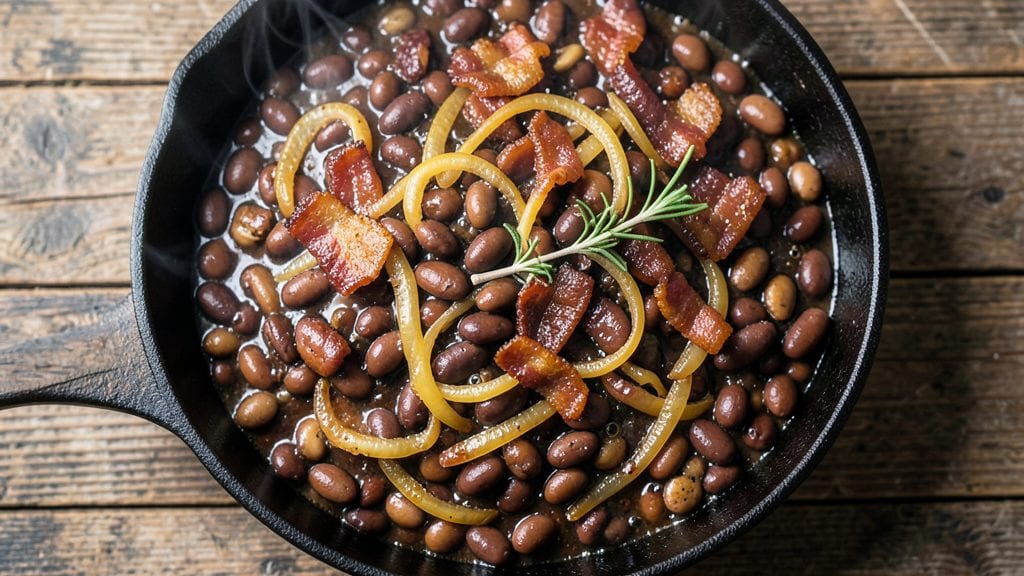
America's Test Kitchen's New England baked beans recipe delivers that iconic slow-cooked harmony of smoky, sweet, and savory flavors—just like your grandma used to make, but with foolproof precision. The secret lies in balancing molasses, brown sugar, and baking soda for that signature tender texture and deep caramelized richness.
I've tested countless variations, and this method reliably produces beans that are silky-smooth with just enough bite, topped with crispy bacon that adds a satisfying crunch in every bite.
What sets these beans apart is the slow cooking process, which develops complex flavors without drying out the beans. Whether you use an oven, stovetop, or slow cooker, the technique remains the same—just monitor the liquid and adjust as needed.
The combination of traditional ingredients like molasses and brown sugar with modern accessibility makes this recipe perfect for any kitchen, from weekend cooks to seasoned home chefs.
By the time you're done, you'll have a pot of rich, smoky-sweet beans that taste like they've been simmering all day. The bacon adds a salty crunch that cuts through the sweetness, while the beans themselves are so tender they practically melt in your mouth.
This is the kind of dish that pairs perfectly with cornbread, grilled meats, or even on its own as a hearty side.
Serve these beans at your next family gathering, potluck, or holiday meal—they're sure to become a crowd favorite. The best part? You can make them ahead and let the flavors deepen even more over time. Let's get started on creating this classic dish with modern precision.
Ingredients for america's test kitchen new england baked beans
These 13 ingredients transform into the ultimate New England baked beans—smoky, sweet, and packed with bacon crunch.
| Ingredient | Amount | Notes |
|---|---|---|
| Navy Beans (Dried) 🍲 | 1 ½ lbs | Sorted and rinsed thoroughly |
| Unsmoked Bacon 🥓 | 12 oz | Cut into 1/2-inch pieces |
| Yellow Onion 🧅 | 1 whole | Medium, chopped |
| Garlic Cloves 🧄 | 4 cloves | Peeled and smashed |
| Molasses 🍯 | ½ cup | Unsulphured preferred |
| Light Brown Sugar 🍚 | ½ cup | Packed firmly |
| Kosher Salt 🧂 | 1 ½ tsp | Adjust to taste |
| Ground Black Pepper 🌶️ | ½ tsp | Freshly cracked |
| Mustard (Dijon) 🍯 | 1 tbsp | For tangy depth |
| Baking Soda 🧪 | ¼ tsp | Key for tenderness |
| Apple Cider Vinegar 🍎 | 1 tbsp | For balance |
| Bay Leaves 🌿 | 2 whole | Removed before serving |
| Water 💧 | 4 cups | Or low-sodium broth |
The beans are non-negotiable—navy beans give that classic texture, but Great Northerns or pinto beans work too. Soak overnight if using dried (or quick-soak with boiling water). For bacon, thick-cut unsmoked is ideal—it renders more fat for crispiness. I grab mine from Costco when possible, but any grocery store's center-cut works. The molasses should be unsulphured—check the label. If it smells like vinegar, toss it. For the onions, yellow or sweet onions both work, but yellow adds a deeper flavor. The garlic? Fresh is a must—jarred minced has a weird aftertaste.
No molasses? Maple syrup plus a pinch of cinnamon gets you close. Brown sugar can be swapped for white sugar plus 1/2 tsp cinnamon, but you'll lose some depth. Short on Dijon? Yellow mustard in a pinch, but add a splash of vinegar to balance. The baking soda is crucial—it tenderizes the beans, but don't skip it. For the vinegar, apple cider or white vinegar both work. The bay leaves? Dried is fine, but fresh adds a brighter note. If you're using broth instead of water, chicken or vegetable broth both work—just skip the extra salt since the bacon and beans already pack flavor.
This recipe tastes even better the next day—make a double batch for leftovers. Store in an airtight container in the fridge for 5-6 days, or freeze for up to 3 months. The bacon fat solidifies when chilled, so reheat gently. For serving, I like to spoon the beans into a pre-warmed slow cooker or Dutch oven—keeps them warm and makes cleanup easier. These beans reheat beautifully—just add a splash of water if they're too thick.
Why You'll Love This Recipe
- One-Pot Magic: The dried beans soak overnight, but the rest? Thirty minutes in one pot—no fancy gadgets, no stress. Just bacon sizzling, onions caramelizing, and that deep molasses aroma filling your kitchen like a promise of something good.
- Smoky-Sweet Symphony: That unsmoked bacon adds a salty crunch, while the molasses brings a rich, almost candy-like depth. The garlic? Oh, it hits—just enough to make every bite feel like a hug from a campfire.
- Weeknight Workhorse: Serve it alongside grilled chicken for dinner, slather it on toast for breakfast, or pack it in a thermos for lunch. Honestly, I’ve eaten these cold straight from the fridge at 2 PM and still craved more.
- Budget-Friendly Stretch: Dried navy beans and bacon keep costs low, but the flavor? Ridiculously satisfying. Make a double batch—leftovers reheat beautifully, and you’ll have a freezer-friendly backup for when you’re too tired to cook.
Step-by-step instructions for slow-cooked smoky-sweet baked beans
Here's how to make America's Test Kitchen's legendary New England baked beans—rich, tender, and packed with smoky bacon flavor.
Prepare the Beans and Bacon
Start by rinsing the 1.5 lbs navy beans thoroughly under cold water to remove any debris. Soak them in plenty of cold water for at least 8 hours or overnight—this ensures they cook evenly and become tender. I like to use a large bowl and cover them with a few inches of water.
While the beans soak, cut the 12 oz unsmoked bacon into ½-inch pieces and cook them in a large Dutch oven over medium heat until they're golden and crispy. This usually takes about 8-10 minutes. Remove the bacon with a slotted spoon and set it aside on paper towels to drain, leaving the rendered fat in the pot. Don't skip this step—the bacon adds incredible depth of flavor to the beans.
Sauté the Aromatics
In the same Dutch oven with the bacon fat, add the chopped yellow onion and cook over medium heat for 5-6 minutes until softened and translucent. Add the 4 smashed garlic cloves and cook for another 30 seconds until fragrant. You want the garlic to just barely start to color—don't let it burn.
This step builds the flavor foundation. The onions should be tender but not browned, and the garlic should perfume the entire kitchen with its aroma. If the pot starts to smoke, reduce the heat slightly to maintain gentle cooking.
Combine All Ingredients
Drain the soaked navy beans and add them to the Dutch oven along with the 4 cups water, 0.5 cup molasses, 0.5 cup packed light brown sugar, 1.5 tsp kosher salt, 0.5 tsp ground black pepper, 1 tbsp Dijon mustard, 0.25 tsp baking soda, 1 tbsp apple cider vinegar, and 2 whole bay leaves. Stir everything together until the beans are well-coated with the liquid and spices.
The baking soda is key here—it helps tenderize the beans by breaking down their skins. Stir in the reserved bacon pieces and make sure they're evenly distributed throughout the mixture. The beans should be mostly submerged, but that's okay—they'll absorb liquid as they cook.
Slow Cook Until Tender
Bring the mixture to a boil over high heat, then immediately reduce the heat to low. Cover the Dutch oven and let it simmer gently for 2 hours. After this initial cooking time, check the beans—they should be tender but still firm, with some bite remaining.
Here's where the magic happens: if the beans aren't fully tender yet, add ½ cup more water or broth, cover, and continue cooking. The goal is to achieve fork-tender beans that hold their shape but are easy to mash slightly with a fork. This slow cooking process develops deep, smoky-sweet flavors that you just can't rush.
Finish and Serve
Once the beans are perfectly tender, remove the 2 bay leaves and adjust the seasoning if needed. Taste and add more kosher salt or apple cider vinegar if the beans need more balance. The beans should have a rich, molasses-like sweetness with a smoky depth from the bacon and a tangy brightness from the vinegar.
Serve the baked beans warm, straight from the pot, with extra crispy bacon pieces sprinkled on top. They're perfect alongside cornbread, grilled meats, or even as a hearty vegetarian main dish. The beans will continue to thicken as they cool, so don't be surprised if they become even more saucy and flavorful after sitting for a while.
Pro Tips For Making America'S Test Kitchen New England Baked Beans
- Soak Beans Overnight: I learned this the hard way—skipping the overnight soak leaves your beans tough no matter how long you simmer them. Toss them in cold water with a pinch of salt, cover, and let them sit 12+ hours. The recipe says 6 hours is fine, but I’ve found extra time makes a real difference in texture.
- Render Bacon Low and Slow: Cranking up the heat for crispy bacon here is a mistake. The recipe calls for rendering it gently to infuse flavor into the beans—don’t rush it. Cook the bacon at 300°F (150°C) until fully rendered, then remove it from the pot. The fat is liquid gold for the beans.
- Deglaze with Beer First: After cooking the onions and garlic, pour in the beer before adding the molasses. The acidity helps break down any stuck-on bits, and it cuts the sweetness of the molasses right from the start. Skip this, and you’ll end up scraping a sticky mess off the pot later.
- Simmer Uncovered After 2 Hours: The recipe says to cover the beans for the first 2 hours, but after that, leave the lid off. I was skeptical until I tried it—it evens out the sauce and prevents a watery finish. Just keep an eye on the liquid and stir occasionally to avoid sticking.
Health benefits of this dish
Fiber-Rich Foundation
These baked beans are a fiber powerhouse, with navy beans delivering a whopping 15 grams of fiber per serving—that’s 60% of your daily needs in just one bowl! Fiber supports digestive health, keeps you full longer, and helps regulate blood sugar.
The combination of soluble fiber from the beans and insoluble fiber from the bacon adds texture and bulk, making this dish both satisfying and nutritious. 💪
Plant-Based Protein
Each serving packs 16 grams of plant-based protein, making these beans an excellent choice for vegetarians or anyone looking to reduce meat consumption. The beans provide all nine essential amino acids, while the bacon adds a high-quality animal protein boost.
This protein combo helps repair tissues, supports muscle growth, and keeps energy levels steady throughout the day.
Heart-Healthy Fats
The unsmoked bacon in this recipe contributes monounsaturated fats, which support heart health by improving cholesterol levels. Meanwhile, the molasses and brown sugar provide natural sweetness without refined sugars, reducing blood sugar spikes.
The baking soda also helps break down complex carbohydrates, making the dish easier to digest while maintaining steady energy. 🌱
Antioxidant Boost
Molasses is rich in antioxidants like polyphenols, which combat oxidative stress and inflammation. The Dijon mustard adds sinigrin, a compound linked to cancer-fighting properties. Even the bay leaves contribute eugenol, an antioxidant that may help reduce inflammation.
Together, these ingredients make this dish not just delicious but also packed with protective compounds.
Blood Sugar Balance
The low glycemic index of navy beans helps stabilize blood sugar levels, making this a smart choice for those managing diabetes or prediabetes. The apple cider vinegar further slows carbohydrate absorption, preventing energy crashes.
For a lighter option, reduce the brown sugar to ¼ cup while keeping the molasses for depth—this cuts carbs without sacrificing flavor.
Bone-Strengthening Minerals
Navy beans are loaded with magnesium, calcium, and phosphorus, all essential for strong bones. The bacon adds zinc, which supports immune function, while the molasses provides iron for energy.
This mineral combo makes the dish a great addition to meals, especially for active individuals or those with higher calcium needs. 💡
Nutrition facts
Frequently asked questions
Can I use canned beans instead of dried navy beans?
While canned beans will work in a pinch, they won't give you the same tender texture. For best results, stick with dried navy beans soaked overnight. If you must use canned, drain and rinse them thoroughly, then simmer in the recipe for an extra 30-45 minutes to develop flavor. The baking soda won't be as effective with canned beans, so taste and adjust sweetness/saltiness.
Why does the recipe call for baking soda? Can I skip it?
Never skip the baking soda—it's the secret to tender beans! The ¼ teaspoon helps break down the bean skins, creating that signature silky texture. Without it, your beans might stay tough. If you're avoiding baking soda, try adding ½ cup extra liquid and simmering 15 minutes longer, but the texture won't be quite the same.
How can I make these in a slow cooker?
Follow the same steps until combining ingredients, then transfer everything to your slow cooker. Cook on LOW for 6-8 hours or HIGH for 3-4 hours. The beans will absorb more liquid, so add ½ cup water halfway through if needed. The slow cooker method actually enhances the smoky-sweet flavors by cooking them even longer at low heat.
What's the best way to store leftovers?
Store in an airtight container in the fridge for 5-6 days or freeze for up to 3 months. The flavors actually improve overnight! When reheating, add a splash of water or broth to prevent drying out. For serving, sprinkle with extra crispy bacon bits to restore that perfect crunch.
Can I make these beans vegetarian?
Replace the bacon with smoked paprika (1 tsp) plus extra liquid (¼ cup) for smokiness. Add ½ cup chopped mushrooms sautéed in olive oil for umami depth. The molasses and mustard will still provide that classic sweet-tangy profile. For extra richness, stir in 2 tablespoons nutritional yeast when serving.