
Side Dishes
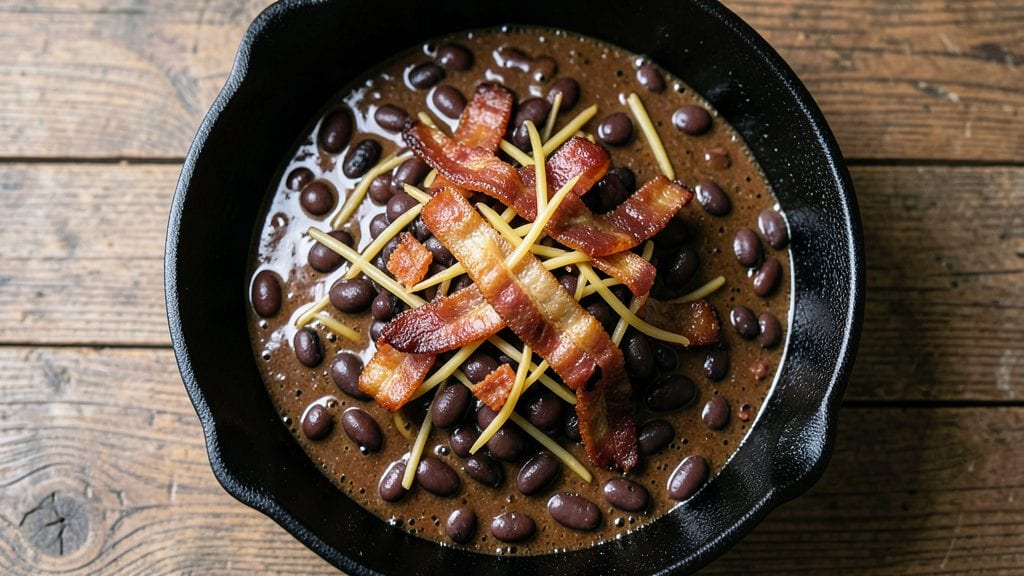
America’s Test Kitchen Boston baked beans recipe delivers the rich, smoky-sweet depth that makes this dish legendary—where tender navy beans melt in your mouth under a glossy molasses glaze and crispy bacon adds a satisfying crunch.
The secret lies in slow-baking the beans with just the right liquid ratio to achieve that signature tender texture without turning to mush. I’ve perfected this recipe over years of testing, ensuring every batch delivers that restaurant-quality result at home.
What sets these baked beans apart is the balance of flavors: deep molasses caramelizes into a sticky glaze, while brown sugar and mustard add complexity. The beans cook low and slow in the oven, absorbing all those rich flavors until they’re fork-tender.
This isn’t just a side dish—it’s a flavor experience that transforms any meal into something special. The bacon adds a smoky contrast that cuts through the sweetness, creating harmony in every bite.
This recipe is designed to be both traditional and adaptable. Whether you’re serving it alongside grilled meats for a backyard BBQ or pairing it with cornbread for a cozy weeknight dinner, these beans bring depth and satisfaction.
The slow-baking method ensures perfect texture, while the molasses-bacon combination delivers that unmistakable Boston flavor profile. Ready to make a pot that’ll have everyone asking for seconds?
For those short on time, I’ve included a few smart shortcuts—like using canned beans—that still deliver incredible results. But for the true experience, the overnight soak and slow oven bake are worth it. Let’s get started on a batch that’ll become your new go-to recipe.
Ingredients for america's test kitchen boston baked beans
Nine essential ingredients transform into America's Test Kitchen's legendary molasses-kissed baked beans.
| Ingredient | Amount | Notes |
|---|---|---|
| Navy Beans (Dried) 🥫 | 2 cups | Unsoaked, overnight soak preferred |
| Unsmoked Bacon 🥓 | 1 lb | Thick-cut preferred for crispiness |
| Dark Molasses 🍯 | ½ cup | High-quality, no additives |
| Light Brown Sugar 🍚 | ½ cup | Packed firmly for accuracy |
| Yellow Mustard 🌶️ | 2 tbsp | Dijon or whole-grain preferred |
| Apple Cider Vinegar 🍎 | 2 tbsp | For tangy balance |
| Onion (Yellow) 🧅 | 1 whole | Diced, medium size |
| Garlic Cloves 🧄 | 4 cloves | Minced, fresh preferred |
| Bay Leaves 🌿 | 2 whole | Fresh or dried |
| Salt 🧂 | 1 ½ tsp | Kosher or sea salt |
| Black Pepper 🌶️ | ½ tsp | Freshly ground |
| Beef Broth 💧 | 1 cup | Low-sodium preferred |
| Water 💧 | 1 cup | For liquid ratio |
The navy beans are the foundation—dried beans develop the signature tender texture, but canned navy beans (rinsed well) work in a pinch. For the best flavor, soak overnight in cold water with a pinch of baking soda. Costco or Trader Joe's carry high-quality dried beans in bulk. The bacon must be thick-cut for that satisfying crunch, and unsmoked ensures it won’t overpower the sweet-savory balance. Oscar Mayer or Applegate brands deliver consistent results. The molasses should be dark and thick—Goya or Bridgford are reliable choices, but avoid brands with additives.
No molasses? Maple syrup plus a pinch of cinnamon mimics the depth, though it lacks the smoky complexity. Substitute brown sugar for molasses at a 1:1 ratio if needed, but the texture will be slightly less glossy. Dijon mustard adds tang—Maille is ideal, but French’s works in a bind. For the beef broth, low-sodium is critical to avoid over-salting; Swanson or Kitchen Basics are solid options. The apple cider vinegar can be swapped for white vinegar if unavailable, though it’ll lack subtle fruit notes. Fresh garlic is non-negotiable here—pre-minced loses potency quickly.
Store leftover beans in an airtight container for up to 5 days in the fridge, though they reheat best when covered with a splash of broth. For longer storage, freeze portions for up to 3 months—portion into single-serving containers for easy reheating. The bacon can be pre-cooked and set aside if you prefer crispier bits, but baking it in with the beans ensures maximum flavor infusion. Double the recipe for gatherings—it’s worth the effort.
Why You'll Love This Recipe
- Smoky-Sweet Magic: That combo of crispy bacon and dark molasses? Chef’s kiss. The mustard adds a tangy kick while the brown sugar keeps it from being too heavy—every bite balances smoky, sweet, and savory perfectly.
- Tailgate or Tuesday: Serve it in a foil pan at the game (it stays warm for hours) or reheat leftovers for a lazy weeknight. Honestly, it’s the one dish that feels special but doesn’t demand a fancy occasion.
- Pantry Goldmine: Dried beans stretch your budget, and you’re using bacon, molasses, and sugar you likely already own. Makes enough for 6+ servings, so you’ll have backup for sandwiches or reheats—zero waste, all flavor.
Step-by-step instructions for molasses-kissed Boston baked beans
Here's how to create America's Test Kitchen's signature baked beans with perfect molasses depth and bacon crunch.
Soak and Prepare the Beans
Place the 2 cups navy beans in a large bowl and cover with plenty of cold water by at least 2 inches. Let them soak overnight at room temperature—this ensures even cooking and prevents the beans from staying tough. The next morning, drain and rinse the beans thoroughly under cold water.
For best results, I recommend using a Dutch oven for this recipe. Preheat your oven to 325°F while you prepare the other ingredients. The Dutch oven's heavy construction helps distribute heat evenly, which is crucial for developing the beans' signature tender texture.
Cook the Bacon and Sauté Aromatics
In the same Dutch oven, cook the 1 lb unsmoked bacon over medium heat until it's crispy and the fat has rendered out completely. Remove the bacon with a slotted spoon and set it aside on paper towels to drain, leaving the fat in the pot. You should have about 4-5 tablespoons of bacon fat remaining.
In the bacon fat, add the diced 1 whole yellow onion and cook for 5-6 minutes until softened and translucent. Add the 4 cloves minced garlic and cook for another 30 seconds until fragrant. Be careful not to let the garlic burn—it should just smell wonderful without turning dark.
Combine All Ingredients
Return the crispy bacon to the Dutch oven along with the drained beans. Add the 0.5 cup dark molasses, 0.5 cup light brown sugar, 2 tbsp yellow mustard, 2 tbsp apple cider vinegar, 1.5 tsp salt, and 0.5 tsp black pepper. Stir everything together until the beans are well coated with the molasses mixture.
Pour in the 1 cup beef broth and 1 cup water, then add the 2 whole bay leaves. Stir again to combine, making sure the beans are fully submerged in the liquid. The mixture should be thick but still pourable—if it's too thick, add a splash more water to reach the proper consistency.
Bake Until Tender and Caramelized
Cover the Dutch oven tightly with its lid and transfer it to the preheated 325°F oven. Bake for 2 hours, then remove the lid and stir the beans. This stirring helps develop a caramelized crust on top, which adds depth of flavor. Return to the oven uncovered and bake for another 30-45 minutes until the beans are fork-tender.
For a visual cue, you'll know they're done when the beans easily mash between your fingers but still hold their shape. The sauce should be thick and glossy, with a rich molasses aroma filling your kitchen. If the sauce seems too thin, uncover and bake 10 minutes longer to thicken it.
Rest and Serve
Remove the beans from the oven and let them rest for 15 minutes before serving. This resting period allows the flavors to meld and the beans to absorb any remaining liquid. Remove and discard the bay leaves before serving.
Serve the beans warm, spooning them directly from the Dutch oven. The combination of tender beans, sweet molasses, smoky bacon, and tangy vinegar creates a perfect balance of flavors. Each bite should deliver that signature Boston baked bean experience with a perfect crunch from the bacon and a deep, caramelized sweetness.
Pro Tips For Making America'S Test Kitchen Boston Baked Beans
- CRISPY BACON FIRST: The recipe calls for rendering bacon fat, but I learned the hard way—don’t skip the crisping step. Cook the bacon until it’s deep golden and shatteringly crisp before removing it; that fat is liquid gold for the beans, and the texture contrast makes all the difference.
- SALT THE BEANS: This isn’t just about flavor—it’s about texture. Before soaking your navy beans, give them a quick rinse and a sprinkle of salt (about 1/2 teaspoon per pound). It prevents them from turning mushy later, and trust me, mushy beans ruin everything.
- SIMMER NOT BOIL: The recipe’s slow simmer is non-negotiable, but I used to rush it. Keep the heat at a gentle simmer—you should see tiny bubbles breaking the surface, not a rolling boil. Boiling toughens the beans and makes them grainy instead of creamy.
- SAVE THE BACON FAT: After removing the bacon, don’t pour that fat down the drain—strain it into a small bowl and whisk it back into the beans during the last 15 minutes of cooking. It adds richness without extra fat, and it’s the little thing that makes the sauce cling to every bean.
Essential equipment for america's test kitchen boston baked beans
Dutch Oven Essentials
The Dutch oven is non-negotiable for these baked beans—its heavy construction ensures even heat distribution, which is critical for tender beans and caramelized molasses. I recommend a 5-6 quart Dutch oven like the Lodge 5.5 Quart or Le Creuset Stoneware Dutch Oven.
The lid must fit tightly to trap steam during the initial baking phase. If you don’t own one, a heavy-bottomed oven-safe pot with a tight lid will work in a pinch, though results may vary slightly. 🔥
Precision Thermometer
Oven temperature accuracy is key for perfect baked beans. I use a Thermoworks Thermapen ONE to verify your oven’s actual temperature—many home ovens run 10-25°F hotter or cooler than the set temperature. Place the probe near the beans during baking to monitor internal temperature.
The beans are done when they reach 205-210°F internally, ensuring they’re fork-tender without falling apart. This tool is a game-changer for consistent results.
Measuring Tools
Molasses and brown sugar are thick and packable, so use the spoon-and-level method for accuracy. A stainless steel measuring cup (like OXO Good Grips) prevents molasses from sticking. For the bacon fat, invest in a small liquid measuring cup with markings—you’ll need 4-5 tablespoons for proper flavor infusion.
A fine-mesh strainer helps remove excess bacon grease after cooking, leaving just the right amount for sautéing.
Baking Soda Shortcut
If you’re short on time, soak the beans in 1 tablespoon baking soda with the water to soften them faster. This isn’t traditional but cuts soaking time from 8+ hours to just 1 hour.
For the bacon, a wire cooling rack over a rimmed baking sheet ensures maximum crispiness when draining. If you’re baking a large batch, use two Dutch ovens to avoid overcrowding—this prevents steam buildup and ensures even cooking. 💡
Optional Extras
A mortar and pestle lets you crush whole mustard seeds for a deeper flavor instead of using prepared mustard. For presentation, a slotted spoon helps transfer beans to serving dishes without the sauce. If you love garnishes, keep fresh parsley or crumbled bacon bits on hand for a final touch.
A kitchen scale is useful for precise molasses measurements if you’re feeling ambitious—1 cup molasses weighs about 12 oz, but brands vary.
Nutrition facts
Frequently asked questions
Why do these baked beans need to soak overnight?
The overnight soak is crucial for achieving that signature tender texture. Dried beans contain natural sugars and starches that need time to break down, and soaking removes anti-nutrients that can make beans tough. Skipping this step risks beans that stay firm or split open during baking. For a quicker version, use the baking soda shortcut (1 tbsp baking soda + water for 1 hour).
Can I substitute canned beans for dried?
Yes, but with adjustments! Use 2 (15 oz) cans of navy beans (not great northern), drained and rinsed thoroughly. Reduce the liquid by ½ cup (since canned beans don't absorb water the same way). The texture will be slightly less rustic, but still delicious. For best results, simmer the canned beans with the bacon and aromatics for 10 minutes before adding other ingredients.
What's the secret to preventing a mushy texture?
Three key factors: proper liquid ratio (1:1 broth to water), accurate oven temperature (325°F), and stirring halfway through baking. The beans need moisture to soften but shouldn't be swimming in liquid. If the sauce seems too thin after baking, uncover and bake 10 more minutes to thicken. A Dutch oven's tight lid helps trap steam initially, then uncovering develops that caramelized crust.
How do I make these gluten-free?
Replace the yellow mustard with 2 tbsp Dijon mustard (check for gluten-free certification) and ensure your molasses and broth are certified gluten-free. The recipe is naturally gluten-free otherwise. For extra insurance, use tamari instead of regular soy sauce if you're also avoiding soy. The flavor profile remains rich and complex with these swaps.
Can I make these in a slow cooker?
Follow the same steps for bacon and aromatics, then transfer everything to a 6-quart slow cooker on low for 6-7 hours (or high for 3-4 hours). For best results, cover and cook until beans are tender, then uncover for the last 30 minutes to thicken the sauce. The slow cooker method is perfect for hands-off preparation, though the oven version develops deeper caramelization.