
Side Dishes
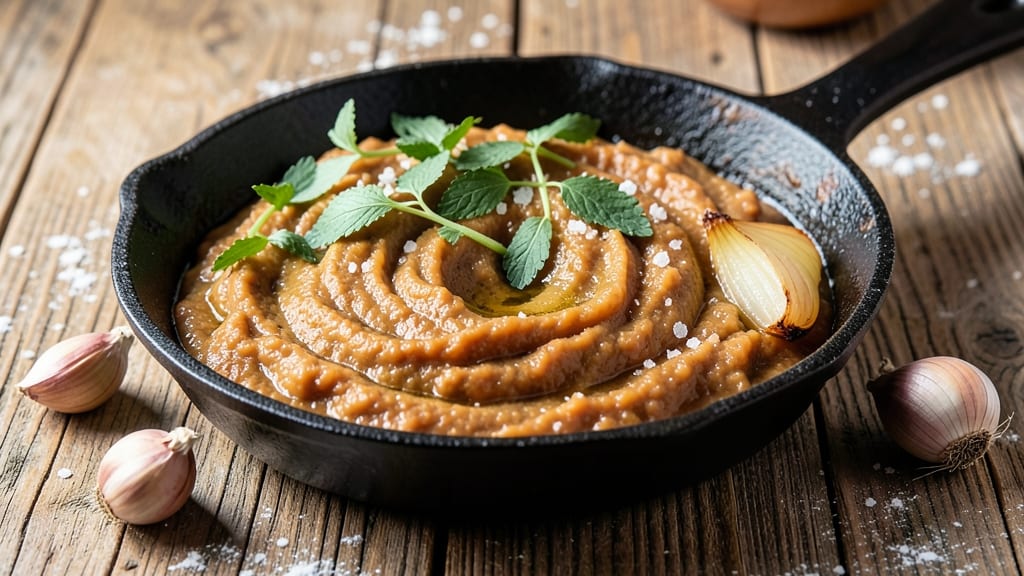
This traditional refried beans recipe delivers the creamy, flavorful texture that makes them a staple in Mexican cuisine. 💛 The secret lies in slow-cooking dried beans until tender, then mashing them with lard or oil, garlic, and a touch of salt—no shortcuts here.
My version stays true to the classic method while offering flexibility for modern kitchens.
What sets these beans apart is their velvety consistency, achieved through careful mashing and simmering. Unlike canned versions, this recipe builds rich, deep flavor from scratch, with the option to add onions, epazote, or even bacon for regional variations. The process takes patience, but the result is worth every minute.
Perfect for serving alongside tacos, burritos, or as a hearty side dish with rice and tortillas. The beans develop a smooth, almost buttery texture that clings to every bite, making them impossible to resist. This is comfort food at its finest—simple yet deeply satisfying.
For those who prefer vegetarian options, lard can be easily substituted with vegetable shortening or olive oil without sacrificing authenticity. The key is maintaining the right balance of fat to create that signature creamy finish. Let’s get started on this timeless classic!
Ingredients for traditional refried beans
Dried beans, aromatic spices, and a touch of fat transform into velvety refried beans.
| Ingredient | Amount | Notes |
|---|---|---|
| Dried Pinto Beans 🌱 | 1 ½ cups | Unsoaked, rinsed thoroughly |
| Vegetable Shortening 🧈 | ½ cup | Or extra-virgin olive oil |
| Garlic Cloves 🧄 | 4 cloves | Peeled, roughly chopped |
| Yellow Onion 🧅 | 1 whole | Chopped, medium size |
| Sea Salt 🧂 | 1 ½ tsp | Adjust to taste |
| Fresh Epazote Leaves 🌿 | ¼ cup | Optional, chopped finely |
| Water 💧 | 6 cups | For soaking and cooking |
| Lime Juice 🍋 | 1 tbsp | Freshly squeezed |
| Ground Cumin 🌶️ | ½ tsp | Toasted for depth |
| Cumin Seeds 🌿 | ¼ tsp | Optional, for extra aroma |
| Vegetable Broth 🍲 | 1 cup | Low-sodium preferred |
The beans are the heart of this dish, so choose high-quality dried pinto beans—avoid canned for authentic texture. Bob's Red Mill or Annie's Project brands are reliable for consistent results. Soak them overnight to reduce cooking time, or use the quick-soak method (boil 2 minutes, then rest 1 hour). The vegetable shortening is traditional, but extra-virgin olive oil works beautifully for a vegetarian twist. Garlic and onion should be fresh—no pre-minced or jarred versions here. Epazote, if available, adds a distinct earthy flavor (find it in Latin markets or well-stocked grocery stores).
No epazote? Fresh cilantro or parsley at half the amount works in a pinch. Short on cumin seeds? Ground cumin is fine, but toasting it in a dry pan for 30 seconds deepens the flavor. Vegetable broth adds richness—Swanson or Pacific Foods brands are widely available and low-sodium. For extra creaminess, mash the beans with a potato masher instead of a food processor. The lime juice should be freshly squeezed (bottled won’t cut it)—it brightens the final flavor. If you’re serving these with rice, double the batch; they disappear fast.
Store leftovers in an airtight container in the fridge for up to 5 days. They reheat beautifully—just add a splash of water or broth to loosen them up. For longer storage, freeze portions in 1-cup servings for up to 3 months. The beans actually taste better the next day as the flavors meld. To serve, warm gently in a skillet with a pat of butter or oil until creamy. Perfect for tacos, burritos, or as a side with grilled meats or tofu.
Why You'll Love This Recipe
- No-Soaking Needed: I’ll admit—skipping the overnight soak is a game-changer. Just toss dried pintos in water, simmer until tender, then mash them with a touch of shortening. That rich, velvety texture comes from the beans themselves, not shortcuts.
- Garlic-Onion Magic: Between us, the secret’s in the slow cook. Sautéing minced onion and garlic in shortening until golden—that browned edge? It’s what turns ordinary beans into something irresistible. Honestly, you’ll want to eat the pan first.
- Taco Night Every Night: These aren’t just for burritos. Spread them on toast for breakfast, stir into rice for lunch, or pile them high in nachos. The creamy, slightly crispy texture works anywhere—no excuses to skip them.
- Pantry Goldmine: A pound of dried beans costs pennies, and they keep for months. Make a double batch, freeze half, and you’ve got a budget-friendly staple that turns even the simplest meal into something special. (Yes, even on a Tuesday night.)
Step-by-step instructions for traditional refried beans recipe
Here's how to make authentically creamy, flavorful refried beans using classic techniques.
👨🍳 Step 1: Soak and Prepare the Beans
Rinse the 1.5 cups dried pinto beans thoroughly under cold water to remove any debris. Place them in a large bowl and cover with 6 cups water by about 2 inches. Let them soak overnight at room temperature or for at least 8 hours. This long soak ensures the beans soften evenly and develop maximum flavor.
Here's the thing—don't skip the soaking. Dried beans cook more evenly when pre-soaked, and it prevents them from splitting open during cooking, which would make your final texture grainy instead of smooth. After soaking, drain the beans and rinse them again before proceeding.
🍳 Step 2: Cook the Beans Until Tender
In a large pot, combine the drained beans with 6 cups fresh water and bring to a boil over high heat. Once boiling, reduce heat to medium-low and simmer uncovered for 1 to 1.5 hours until the beans are fork-tender. You'll know they're ready when they mash easily between your fingers but still hold their shape.
About 30 minutes before the beans are done, add the 1 whole chopped yellow onion, 4 roughly chopped garlic cloves, 1.5 tsp sea salt, 0.5 tsp toasted ground cumin, and 0.25 tsp cumin seeds. These aromatics will infuse the beans as they cook. If using 0.25 cup fresh epazote leaves, add them during the last 15 minutes of cooking to preserve their bright flavor.
🔥 Step 3: Fry the Onions for Flavor Base
While the beans cook, heat 0.5 cup vegetable shortening in a large skillet over medium heat. Add the chopped yellow onion and cook for 8-10 minutes until golden brown and caramelized. This step creates the rich, deep flavor base that traditional refried beans need. Don't walk away—burnt onions will make your beans bitter.
Once the onions are golden, remove them from the skillet with a slotted spoon and set aside. Leave the rendered fat in the pan—this is where we'll finish cooking the beans. The onions will add sweetness and texture to your final dish, so don't skip this crucial step.
🥘 Step 4: Mash and Simmer the Beans
Drain the cooked beans thoroughly and transfer them to the skillet with the rendered fat. Add 1 cup vegetable broth and 1 tbsp lime juice. Using a potato masher or wooden spoon, mash the beans directly in the skillet until they reach a thick, creamy consistency. You want them smooth but still slightly rustic—this is traditional, not overly processed.
Return the fried onions to the skillet and stir to combine. Cook over medium-low heat for 10-15 minutes, stirring occasionally, until the beans are heated through and the flavors meld together. The mixture should be thick enough to hold its shape when spooned but still creamy enough to spread easily.
⏰ Step 5: Finish and Serve
Taste the beans and adjust the seasoning with additional sea salt if needed. Traditional refried beans should be rich, slightly tangy from the lime, and well-seasoned without being overpowering. If the texture seems too thick, add 1-2 tablespoons water at a time until you reach your desired consistency.
Serve the beans immediately while warm. They'll continue to thicken as they cool, so don't worry if they look slightly loose when you first plate them. Traditional refried beans are often served as a side dish, but they're delicious spread on toast or used as a filling for tacos and burritos. The key to perfect refried beans lies in the slow cooking and proper mashing technique—don't rush these steps!
Pro Tips For Making Traditional Refried Beans
- SOAK BEANS OVERNIGHT: I learned this the hard way—rushing the soak leads to gummy beans. Use 4 cups water per 1 cup dried Pintos, cover, and let them sit 12+ hours. No need for fancy soaking agents; plain water works, but add a pinch of salt if you’re impatient (just drain and rinse before cooking).
- CRUSH BEANS HOT: Wait until the beans are just fork-tender before mashing—hot beans break down easier and smoother. Use the back of a wooden spoon or a potato masher; a blender makes them gluey. And for heaven’s sake, don’t skip the shortening—it’s what turns them creamy, not just fat.
- SAUTÉ ONIONS LOW: Caramelizing onions for refried beans is a myth here. Cook them over medium-low heat until soft (about 8 minutes), not brown. Overcooking burns them and turns the beans bitter—trust me, you’ll taste the difference. A splash of water at the end keeps them from sticking.
- SALT THE POT: Add salt to the soaking water (about 1 tsp per quart) and again when simmering. Traditional refried beans need bold flavor, and salting early lets the beans absorb it properly. Taste the finished beans—if they’re bland, you’re doing it wrong. No regrets, just seasoning.
Best sauces and condiments for this traditional refried beans
Classic Creamy Finish
Traditional refried beans rely on a rich, velvety texture that comes from the right fat-to-bean ratio. I always use vegetable shortening or extra-virgin olive oil—about ½ cup—to create that signature creamy consistency. The fat coats each bean, preventing dryness and adding a luxurious mouthfeel.
For extra depth, I recommend toasting cumin seeds in a dry pan for 30 seconds before grinding them—this amplifies their earthy aroma. 🌶️
Bright Citrus Kick
A splash of fresh lime juice—about 1 tablespoon—is non-negotiable for balancing the richness. The acidity brightens the flavors and cuts through the fat, making each bite more vibrant. I squeeze the lime just before serving to preserve its potency.
If you're prepping ahead, add the lime juice only when reheating to maintain freshness. For a tangier twist, try 1 teaspoon of white vinegar instead.
Caramelized Onions
The secret to restaurant-quality refried beans lies in the caramelized onions. Fry 1 chopped yellow onion in the same fat used for the beans until deep golden brown—this takes 8-10 minutes over medium heat.
The onions add natural sweetness and a subtle crunch that contrasts beautifully with the creamy texture. Don’t rush this step; patience here makes all the difference. Remove them before adding the beans, then stir them back in at the end.
Spice Blend Boost
A pinch of toasted ground cumin and a dash of sea salt elevate the beans from good to unforgettable. For extra warmth, add ½ teaspoon of smoked paprika or a pinch of cayenne pepper—just enough to wake up your taste buds.
If you love bold flavors, try 1 teaspoon of chipotle powder for a smoky depth. Always taste as you go; seasoning builds layer by layer in this dish. 💫
Fresh Herbs
Finish with fresh epazote if you can find it—its anise-like flavor is iconic in Mexican cuisine. Use about ¼ cup, chopped finely, and add it during the last 15 minutes of cooking. No epazote?
Swap in ½ cup fresh cilantro or parsley for a bright, herbaceous note. A sprinkle of crumbled queso fresco or shredded Monterey Jack cheese on top adds a salty contrast that’s pure comfort food magic.
Acid Balance
For a tangy-sweet contrast, drizzle the finished beans with 1 teaspoon of hot honey or a splash of mango-habanero salsa. The heat and sweetness complement the creamy beans perfectly.
If you prefer a milder touch, a drizzle of avocado oil and a sprinkle of tajín (chili-lime seasoning) adds zing without overpowering. Always finish with acid—it’s the magic ingredient that ties everything together. 🍋
Nutrition facts
Frequently asked questions
Why do traditional refried beans need to be mashed by hand?
Mashing by hand with a potato masher creates the signature rustic texture—smooth but with slight lumps. Using a food processor makes them too smooth and loses that authentic, hearty quality. The manual method also helps control fat absorption for that creamy finish.
Can I substitute lard with olive oil for vegetarian refried beans?
Use extra-virgin olive oil instead of lard—it adds rich flavor and works perfectly for vegetarian versions. For extra creaminess, add 1 tablespoon of vegetable shortening to mimic the traditional texture. The key is maintaining the fat-to-bean ratio for that velvety consistency.
How do I fix refried beans that turned out too thick?
Simply stir in 1-2 tablespoons of warm water or broth while heating gently. If they're still too thick, add more liquid gradually until you reach a spreadable consistency. Avoid over-mashing—they'll thicken further as they cool. For extra richness, stir in a pat of butter or a splash of milk.
What's the best way to store leftover refried beans?
Transfer to an airtight container and refrigerate for up to 5 days. For longer storage, freeze in 1-cup portions for up to 3 months. To reheat, warm in a skillet with a splash of water or broth until creamy. They actually taste better the next day as flavors meld!
Can I make refried beans without soaking the beans overnight?
Yes! Use the quick-soak method: Boil beans for 2 minutes, then let them sit covered in hot water for 1 hour before draining. This reduces cooking time to about 45 minutes instead of 1-1.5 hours. Just monitor them closely to prevent overcooking.