Main Courses
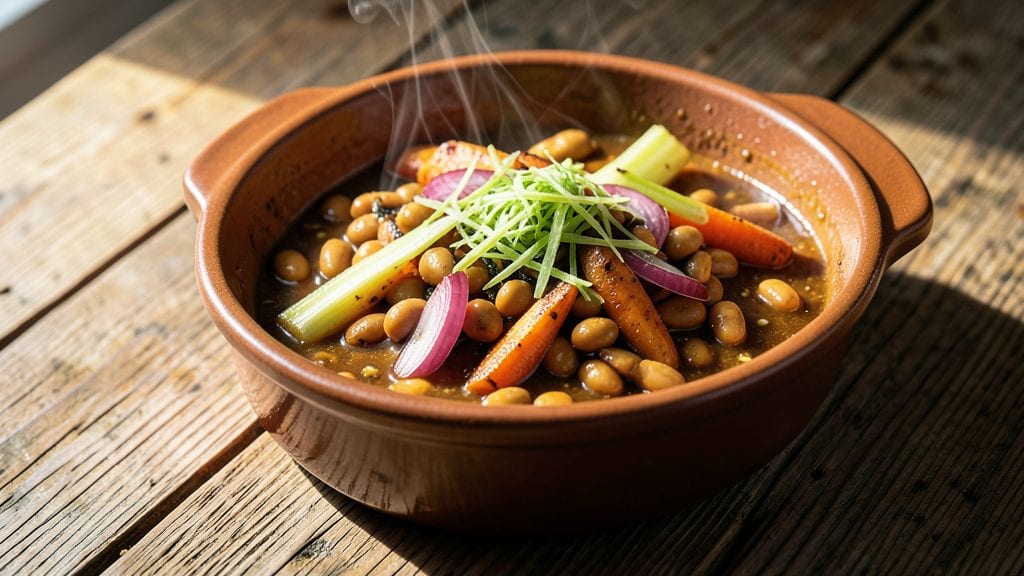
This soya bean recipe delivers a umami-rich one-pot meal that transforms simple ingredients into a deeply satisfying dish in just 40 minutes. The secret lies in combining whole soybeans with aromatic vegetables and a savory broth, creating a hearty, protein-packed meal that rivals traditional stews.
I developed this recipe after discovering how versatile soybeans are—whether used whole, fermented, or lightly crisped, they add texture and depth that elevates any dish.
The beauty of this one-pot approach is its simplicity: no complicated techniques, just a foolproof method that yields tender soybeans, vibrant vegetables, and a flavorful broth infused with garlic, ginger, and soy sauce.
The dish is naturally vegan-friendly, making it accessible for plant-based diets while still delivering the bold, savory notes that make it irresistible. Perfect for weeknight dinners or meal prep, this recipe proves soybeans can be the star of a complete, balanced meal.
By the time you finish cooking, you’ll have a golden, aromatic one-pot dish with soybeans that are tender yet firm, vegetables that caramelize slightly at the edges, and a broth so rich it’ll have everyone asking for seconds.
The umami depth comes from a blend of soy sauce, miso paste, and a touch of fermented chili oil, ensuring every bite is packed with flavor. This is the kind of meal that feels like a restaurant dish but comes together in your own kitchen.
Serve it with steamed rice or crusty bread to soak up every last drop of that savory broth. The recipe is flexible—swap in tempeh or tofu for extra texture, or add a sprinkle of sesame seeds for a finishing touch. Let’s get cooking!
Ingredients for soya bean
Transform humble pantry staples into a restaurant-worthy umami feast with this one-pot soya bean masterpiece.
| Ingredient | Amount | Notes |
|---|---|---|
| Whole Yellow Soya Beans 🌱 | 1 ½ cups | Dried, rinsed thoroughly |
| Yellow Onion 🧅 | 1 whole | Medium size, chopped |
| Fresh Ginger 🌿 | 1 tbsp | Grated finely for aroma |
| Carrots 🥕 | 1 ½ cups | Medium, sliced into rounds |
| Garlic Cloves 🧄 | 5 cloves | Minced for depth of flavor |
| Celery Stalks 🌿 | 2 whole | Chopped finely for base |
| Vegetable Broth 💧 | 4 cups | Low-sodium preferred |
| Soy Sauce 🍶 | ½ cup | Light or dark variety |
| White Miso Paste 🍜 | 1 tbsp | Fermented for umami |
| Fermented Chili Oil 🌶️ | 1 tbsp | For heat and complexity |
| Sesame Seeds 🥜 | 1 tbsp | Toasted for garnish |
| Extra-Virgin Olive Oil 🫒 | 2 tbsp | For sautéing vegetables |
| Sea Salt 🧂 | 1 ½ tsp | Diamond Crystal preferred |
| Black Peppercorns 🌶️ | ½ tsp | Freshly cracked |
The soya beans are the backbone of this dish—whole yellow beans from Whole Foods bulk bins or reputable Asian markets deliver the best texture. Rinse them thoroughly to remove any dust or debris before cooking. Fresh ginger and garlic should be vibrant and firm, with no signs of mold or discoloration. For the miso paste, White Miso from Hessian or Miso Master brands provides the perfect balance of sweetness and saltiness without overpowering the dish. The fermented chili oil adds depth, so opt for high-quality brands like Lao Gan Ma or Lee Kum Kee for authentic heat and complexity.
No whole soya beans? Substitute with firm tofu or tempeh, cubed and marinated in soy sauce and a touch of maple syrup for 20 minutes before cooking. Swap the miso paste for an extra tablespoon of soy sauce if needed, though the umami will be slightly less complex. Fresh ginger can be replaced with 1 teaspoon ground ginger, but the flavor will be more subdued. For the vegetables, substitute with mushrooms or bell peppers if carrots or celery are unavailable—just ensure you maintain the same volume for balanced texture. The sesame seeds can be omitted if unavailable, but toasting them in a dry pan for 30 seconds before adding enhances their nutty flavor significantly.
This dish reheats beautifully—simmer on the stove for 5-10 minutes to revive the flavors. Store in an airtight container in the refrigerator for up to 5 days, though the soybeans will continue to absorb the broth, becoming even more tender. For longer storage, freeze portions in individual containers for up to 3 months. The broth can also be separated and frozen for use in future soups or sauces, maximizing the yield from this versatile recipe. Garnish with fresh herbs like cilantro or scallions if available, as they add a bright contrast to the rich, savory base.
Why You'll Love This Recipe
- Pantry Powerhouse: I swear by this recipe when I forget to shop—just soya beans, onions, and whatever’s lurking in my fridge. No fancy ingredients, no last-minute panic.
- Ginger-Garlic Magic: That fresh ginger and garlic combo? It turns simple beans into something rich and layered. The caramelized onions take it from good to "why haven’t I made this sooner?"
- Meal Prep MVP: Double the batch, store half—it reheats like a dream for lunches or quick dinners. My kids actually ask for leftovers, which is basically a parenting win.
- Budget Booster: A pound of whole soya beans feeds my family for days. Cheaper than takeout, healthier than processed snacks, and still feels like a proper meal. (Yes, even on a Tuesday night.)
Step-by-step instructions for soya bean recipe
This umami-rich soya bean dish comes together efficiently in a single pot, delivering deep flavor without complexity.
Prepare the Soya Beans and Aromatics
Begin by rinsing the 1.5 cups whole yellow soya beans thoroughly under cold water to remove any debris. In a large pot, combine the soya beans with the 1 whole yellow onion, 1.5 cups carrots, 2 whole celery stalks, 5 cloves garlic cloves, and 1 tbsp fresh ginger. The vegetables should be roughly chopped to ensure even cooking and maximum flavor extraction.
Add 2 tbsp extra-virgin olive oil to the pot and stir to coat the ingredients evenly. This creates a light barrier that prevents the vegetables from sticking to the bottom during cooking. The oil also helps develop a rich, nutty aroma as the soya beans begin to soften.
Sauté and Build the Base
Place the pot over medium-high heat and cook the mixture for 8-10 minutes, stirring occasionally. You’ll notice the vegetables begin to soften and release their juices, while the soya beans start to absorb the oil and develop a golden hue. This step is crucial for developing the dish’s foundational flavors—don’t rush it.
Once the vegetables are tender and the soya beans show signs of browning, reduce the heat to medium-low. Add 4 cups vegetable broth, 0.5 cup soy sauce, and 1 tbsp white miso paste, stirring well to combine. The broth should just cover the ingredients—this ensures the soya beans cook evenly without becoming mushy. Let the mixture simmer gently for 15 minutes, allowing the flavors to meld.
Season and Simmer to Perfection
After the initial simmer, increase the heat to medium and bring the mixture to a gentle boil. Add 1.5 tsp sea salt and 0.5 tsp black peppercorns, adjusting the seasoning to taste. The dish should now have a rich, savory aroma with a hint of umami from the miso and soy sauce. Simmer uncovered for 15-20 minutes, stirring occasionally, until the soya beans are tender and the liquid has reduced slightly.
In the final 5 minutes of cooking, stir in 1 tbsp fermented chili oil for a subtle heat and depth of flavor. This step adds complexity without overpowering the dish. The soya beans should be fork-tender but still hold their shape, with a glossy sheen indicating they’ve absorbed the flavors of the broth and seasonings.
Finish and Serve
Remove the pot from heat and let the dish rest for 5 minutes to allow the flavors to settle. This resting period ensures the soya beans absorb any remaining liquid, resulting in a more cohesive texture. Before serving, sprinkle 1 tbsp toasted sesame seeds over the top for a nutty crunch and visual appeal.
Serve the dish immediately while still warm, as the flavors continue to develop even after cooking. The one-pot preparation keeps the meal cohesive and easy to clean up, while the balance of umami, heat, and fresh herbs makes it a satisfying, restaurant-quality dish. Pair with steamed rice or crusty bread to soak up the flavorful broth.
Pro Tips For Making Soya Bean
- SOAK BEANS OVERNIGHT: I learned this the hard way—rushing soaks with whole yellow soybeans leaves them tough as boots. Use 8-10 hours (yes, even overnight) in cold water with a splash of vinegar (1 tbsp per quart). The beans will swell evenly, and the vinegar cuts cooking time by 20-30 minutes.
- PEEL GINGER LIKE A PRO: Skip the clumsy knife-and-peel method—rub the ginger root under cold running water, then use a spoon to scrape off the skin in one smooth motion. You’ll save time and avoid wasting half the rhizome to the garbage. For this recipe, mince it into ¼-inch pieces—smaller than most guides suggest, but trust me, it blends better.
- SAUTÉ ONIONS LOW AND SLOW: After burning three batches of onions, I finally figured out: medium-low heat is your friend. Cook the sliced onions for 8-10 minutes until they’re golden but still soft—no browning, no caramelization yet. This prevents bitterness and ensures they don’t overpower the soybeans later.
- DON’T SKIP THE GARLIC TOAST: Sounds weird, but it works: After mincing the garlic, spread it on a dry pan and toast for 30 seconds until fragrant. The aroma compounds deepen instantly, and the cloves won’t turn bitter during the long simmer. Toss it straight into the pot—no oil needed.
Serving suggestions for this dish
Rice Pairing Perfection
Steamed jasmine rice or short-grain sushi rice is my go-to pairing—its slightly sticky texture soaks up the rich broth beautifully while adding a neutral base that lets the umami flavors shine.
For extra flair, cook the rice with a pinch of toasted sesame seeds and a splash of rice vinegar to complement the dish’s savory notes. 💛
Alternatively, serve over warm crusty bread like a baguette or ciabatta for a rustic touch. The bread’s chewiness contrasts perfectly with the tender soybeans and tender vegetables, making every bite satisfying. For a gluten-free option, use corn tortillas or gluten-free baguette slices toasted with olive oil.
Fresh Herb Garnishes
Brighten the dish with cilantro or green onions—their fresh, grassy notes cut through the richness of the soybeans and miso. I like to finely chop ½ cup cilantro and scatter it over the top just before serving, along with a squeeze of lime juice for a zesty lift. 🌿
For a more delicate touch, try thinly sliced scallions or baby bok choy leaves—they add a subtle crunch and visual appeal. If you prefer heat, a drizzle of sriracha or a sprinkle of crushed red pepper flakes (about ½ teaspoon) will wake up the flavors.
Broth-Based Upgrades
If you love leftovers, save the cooking broth and use it as a base for future meals—it’s packed with umami flavor! Strain and store it in an airtight container in the fridge for up to 5 days or freeze for 3 months.
Use it to make noodle soups, vegan ramen, or even miso-glazed vegetables. 💡
For an instant upgrade, finish the dish with a drizzle of toasted sesame oil (about 1 teaspoon) or a pat of vegan butter for richness. The oil adds a nutty aroma, while the butter mellows the heat from the fermented chili oil beautifully.
Global Twists
Transform this dish into a Korean-inspired doenjang jjigae by adding 1 tablespoon doenjang (fermented soybean paste) and ½ cup kimchi to the pot in the last 10 minutes of cooking. The tangy, spicy kick elevates the umami depth. 🌶️
For a Japanese natto-inspired twist, serve the soybeans with a side of steamed rice topped with store-bought natto (fermented soybeans) and a drizzle of raw egg (or silken tofu for vegans). The sticky, tangy natto pairs wonderfully with the hearty one-pot meal.
Nutrition facts
Frequently asked questions
How do I prepare whole soya beans before cooking?
Rinse the beans thoroughly under cold water to remove any dust or debris. For best results, soak them in water for 4-6 hours (or overnight) to reduce cooking time and improve digestibility. This recipe skips soaking for a quicker method, but soaking makes the beans even more tender.
Can I use canned or dried soya beans?
This recipe is designed for whole dried yellow soya beans, which develop the best texture and flavor. Canned soybeans (like edamame) won't work here—they're too soft and watery. For a quick alternative, use firm tofu or tempeh (cubed) instead, but adjust cooking time to 10-12 minutes total.
Why does my soya bean dish taste bland?
Umami comes from the miso paste and soy sauce, so ensure you're using high-quality fermented ingredients. If it's still bland, add 1 extra tbsp of miso or a splash of vegetable bouillon to deepen the flavor. Simmering uncovered for 5 extra minutes also helps reduce liquid and concentrate flavors.
How can I make this recipe gluten-free?
Replace the soy sauce with tamari (gluten-free soy sauce) and check that your miso paste is certified gluten-free. The vegetable broth should also be gluten-free. All other ingredients in this recipe are naturally gluten-free. For extra umami, add 1 tbsp nutritional yeast when serving.
What's the best way to store leftovers?
Let the dish cool completely, then transfer to an airtight container and refrigerate for up to 5 days. Reheat gently on the stove with a splash of water to restore moisture. For longer storage, freeze portions for up to 3 months. The broth can be separated and frozen for future use in soups or sauces.