
Side Dishes
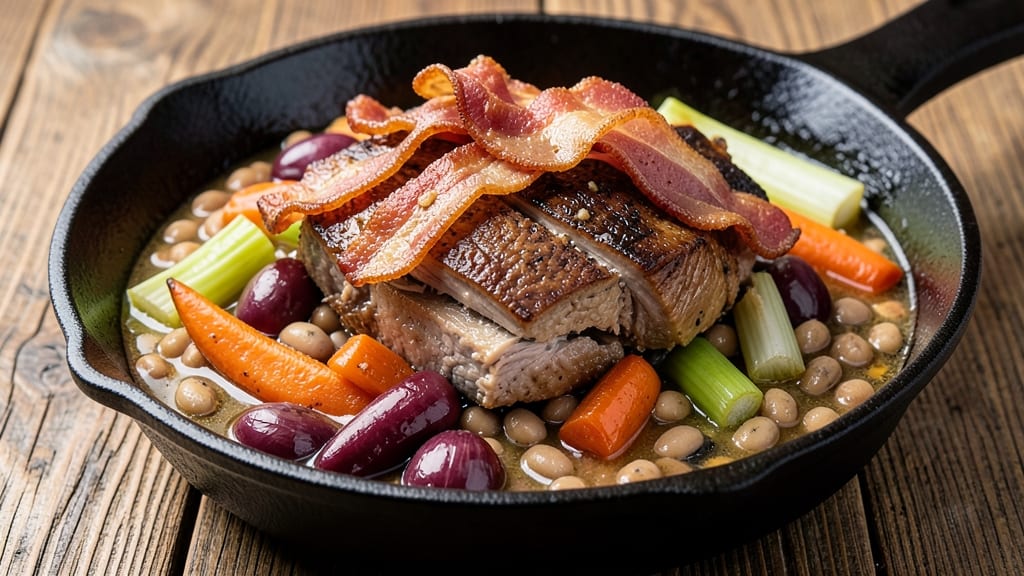
This settlers beans recipe transforms humble ingredients into a rich, smoky side dish with deep historical roots in American cooking. The combination of slow-simmered pork, tangy vinegar, and sweet molasses creates a dish that's as comforting as it is flavorful—perfect for holidays or weeknight meals.
I've perfected this method over years of testing, ensuring the beans develop that signature tender texture and complex flavor profile.
The secret lies in the slow cooking process, where pork and bacon render their smoky essence into the beans while vinegar and mustard build that signature tang-sweet balance. This isn't just a side dish—it's a flavor experience that pairs beautifully with roasted meats or cornbread.
The recipe requires patience, but the results are worth every minute of simmering time.
What you'll end up with is a pot of velvety beans with crispy bacon bits floating on top, their rich aroma filling your kitchen. The slow cooking transforms tough pork into fork-tender pieces, while the beans develop a deep, caramelized flavor that's both hearty and satisfying.
This is the kind of dish that tastes even better the next day as flavors meld together.
Historically, settlers beans originated as a way to use preserved pork and dried beans during long winters, making it a staple in early American cuisine. Today, it remains a beloved dish that brings comfort and tradition to any table.
Let's get started on this classic recipe that connects us to our culinary past.
Ingredients for settlers beans
Humble ingredients transform into a rich, smoky side dish with deep historical roots.
| Ingredient | Amount | Notes |
|---|---|---|
| Dried Navy Beans 🌾 | 2 cups | Rinsed before soaking |
| Pork Shoulder 🥩 | 1 ½ lb | Bone-in preferred for flavor |
| Thick-Cut Bacon 🥓 | 8 oz | Cut into 1/2-inch pieces |
| Yellow Onion 🧅 | 1 whole | Chopped into 1/2-inch pieces |
| Celery Stalks 🥬 | 3 whole | Chopped into 1/2-inch pieces |
| Carrots 🥕 | 3 whole | Chopped into 1/2-inch pieces |
| Apple Cider Vinegar 🍎 | ½ cup | For tangy depth |
| Molasses 🍯 | ¼ cup | Unsulphured preferred |
| Yellow Mustard 🌶️ | 2 tbsp | Dijon works too |
| Brown Sugar 🍚 | ½ cup | Light or dark |
| Bay Leaves 🌿 | 2 whole | Removed before serving |
| Ground Black Pepper 🌶️ | 1 tsp | Freshly cracked |
| Salt 🧂 | 1 ½ tsp | Kosher or sea salt |
| Water 💧 | 8 cups | For soaking beans |
| Chicken Broth 🍲 | 4 cups | Low-sodium preferred |
The pork shoulder is the flavor foundation here—bone-in adds richness that can't be replicated with lean cuts. Costco or Whole Foods carry excellent cuts, but any well-marbled shoulder works. For the beans, dried navy beans are traditional, but great northerns work equally well. Soak them overnight with a pinch of baking soda to soften quickly. The bacon should be thick-cut for maximum crispiness—Oscar Mayer or Applewood smoked are my go-tos, but any quality bacon will do. Chop it into even pieces so it cooks uniformly.
No pork shoulder? Pork butt or ham hock work just as well—they'll add that deep, smoky character. The molasses is non-negotiable for that classic sweetness, but if you're out, maple syrup at half the amount gets you close. For the vinegar, apple cider vinegar is traditional, but white vinegar works in a pinch. The mustard adds that signature tang—Dijon is stronger, so use slightly less if you prefer a milder flavor. The vegetables (onion, celery, carrots) form the aromatic base—chop them uniformly so they cook evenly. Baby carrots or pre-chopped mirepoix from Trader Joe's save time without sacrificing flavor.
This dish tastes even better the next day as flavors meld together—plan ahead! Store leftovers in an airtight container in the fridge for up to 5 days, or freeze for 3 months. The beans will thicken as they cool, so add a splash of water or broth when reheating. For serving, sprinkle with extra crispy bacon bits and a drizzle of the cooking liquid for maximum richness. Double the recipe if you're feeding a crowd—it reheats beautifully and keeps well.
Why You'll Love This Recipe
- I’ll be real: this recipe saved my budget during college. Dried beans and pork shoulder stretch forever, and the bacon adds that “I’m not eating ramen” upgrade. Leftovers? Even better. The flavors deepen overnight, so lunch the next day tastes like a reward for making it twice.
- One-Pot Magic: I swear by this recipe when I’m too tired to clean multiple dishes. Just toss everything—beans, pork, bacon, and veggies—into a Dutch oven, add broth, and let it simmer. Boom. Done. The only tools you’ll need are a spoon and maybe a colander for rinsing the beans beforehand.
- Smoky Depth Bomb: That thick-cut bacon isn’t just for show—it renders down into crispy, salty pockets that melt into the beans like little flavor bombs. Meanwhile, the pork shoulder turns fork-tender, soaking up all the smoky, savory goodness. Honestly, the first bite makes me question why I ever bought pre-made soup.
- Potluck Hero: Between us, this is the dish I bring to gatherings when I don’t want to stress. It’s hearty enough to feed a crowd but simple enough that I can prep it ahead and reheat it later. Plus, the bacon and pork shoulder make it feel special—no one guesses it’s just dried beans and a slow cook.
Step-by-step instructions for slow-simmered settlers beans
This method delivers deep, smoky flavor with tender beans and crispy bacon—exactly how it should be.
Prepare the Beans for Maximum Tenderness
Rinse the 2 cups dried navy beans under cold water until the liquid runs clear. This removes surface debris that could make the beans bitter. Place them in a large pot with the 8 cups water and bring to a boil over high heat. Boil vigorously for exactly 2 minutes to soften the skins slightly—this prevents them from splitting during the long simmer ahead.
Immediately drain the beans in a colander and transfer them back to the same pot. Add the 1.5 lb pork shoulder cut into 1-inch chunks and the 8 oz thick-cut bacon cut into ½-inch pieces. Pour in the 4 cups chicken broth and bring everything to a rolling boil again. Reduce heat to medium-low and let it simmer uncovered for 1 hour, stirring occasionally. This initial cooking breaks down the pork and bacon fats, which will infuse the beans with incredible flavor.
Build the Flavor Base with Vegetables and Seasonings
After the initial hour, add the chopped vegetables: 1 whole yellow onion, 3 whole celery stalks, and 3 whole carrots, all cut into ½-inch pieces. Stir everything together and continue simmering for another 30 minutes. The vegetables should soften but still hold their shape slightly. This stage develops the foundational flavors before adding the sweet and tangy components.
Add the 2 whole bay leaves, 1.5 tsp salt, and 1 tsp ground black pepper. Stir well to distribute the seasonings evenly. The bay leaves will add aromatic depth, while the salt and pepper create a balanced foundation for the sweet and tangy elements coming next. Keep the heat at a gentle simmer—you want bubbles to break the surface occasionally, but not a rolling boil.
Add Sweet and Tangy Elements for Complex Flavor
In a small bowl, whisk together the 0.5 cup apple cider vinegar, 0.25 cup molasses, 0.5 cup brown sugar, and 2 tbsp yellow mustard until fully combined. This mixture is the soul of settlers beans—it balances the richness of the pork and bacon with bright acidity and deep caramel notes. Slowly pour this mixture into the simmering pot while stirring constantly to prevent scorching.
Continue simmering uncovered for 2 to 2.5 hours, stirring every 30 minutes. The beans should be fork-tender with no resistance, and the liquid should reduce to a thick, glossy consistency that coats the back of a spoon. If the mixture looks too thin at the 2-hour mark, uncover the pot and simmer for an additional 30 minutes to achieve the proper thickness. The color should be deep brown with a rich, molasses-like sheen.
Finish and Rest for Perfect Texture
Once the beans reach the desired tenderness and the sauce has thickened, remove the 2 bay leaves and discard them. Taste and adjust seasoning if needed—you may need a pinch more salt or pepper to balance the sweet and tangy elements. Let the beans sit off the heat for 10 minutes before serving. This resting period allows the flavors to meld completely and ensures the beans absorb all the delicious liquid.
Serve the settlers beans hot, either as a main dish with crusty bread or as a hearty side. The contrast of tender beans, crispy bacon, and the rich, slightly sweet sauce makes this dish unforgettable. Leftovers keep well in the refrigerator for up to 5 days, with flavors deepening over time.
Pro Tips For Making Settlers Beans
- Pre-Soak Beans Overnight: I learned this the hard way—skipping the overnight soak means your beans will turn out mealy, no matter how long you simmer. Toss them in a bowl with plenty of cold water (about 4 cups per pound of beans) and let them sit 12+ hours. Drain and rinse before cooking, and you’ll get beans that stay creamy and hold their shape.
- Render Bacon First: Cook the thick-cut bacon until it’s crispy and golden before pulling it out—don’t just chop it raw. The rendered fat adds depth to the beans, and crispy bacon on top makes this dish taste like a proper meal. Save that fat to sauté the onions and celery later.
- Brown the Pork Shoulder: After removing the bacon, use its fat to sear the pork shoulder in batches until deeply browned. This isn’t just for flavor—it locks in moisture so the meat stays tender when it slow-cooks later. Don’t rush it; take your time and let it develop that crust.
- Simmer Low and Slow: Once everything’s in the pot, keep the heat at a gentle simmer—not a rolling boil. I used to crank it up, and the beans would split or the bacon would turn rubbery. A low simmer (barely any bubbles) keeps everything tender and lets the flavors meld properly.
Troubleshooting this dish
Pork Not Cooking Tender
The most common issue is using lean pork cuts or not enough cooking time. If your pork shoulder remains tough, it’s likely because the meat wasn’t broken down enough during the long simmer. I always use bone-in pork shoulder—the marrow adds incredible flavor and tenderness.
For extra insurance, cut it into 1-inch chunks and simmer for at least 3-4 hours total (including the initial hour). If you’re short on time, add 1 extra cup of chicken broth halfway through to help tenderize the meat. 🥩
Another culprit is skipping the initial 1-hour simmer with just pork, bacon, and broth. This step is critical—it renders the fats and collagen from the pork, which infuse the beans with richness.
If you’re in a hurry, try pressure cooking for 45 minutes after the initial hour, then finish with the sweet-tangy mixture on the stovetop. Just watch the heat closely to avoid scorching.
Beans Too Firm or Split
Over-soaking or under-soaking beans can lead to uneven texture. If your beans are still firm after 2.5 hours of simmering, they likely weren’t prepped properly. Start by boiling them for exactly 2 minutes before draining—this softens the skins slightly.
For extra tenderness, add ½ tsp baking soda to the soaking water (rinse well afterward). If beans split open, they absorbed too much liquid; reduce the broth to 3 cups instead of 4 for a thicker consistency. 🌾
Another fix is acid balance. The vinegar and molasses should create a gentle acidity that helps break down bean fibers. If your beans are still tough, add 1 extra tablespoon of apple cider vinegar during the final hour of cooking.
Avoid adding salt too early—it can toughen beans. Instead, season with 1 tsp salt after the initial hour, then adjust at the end.
Sauce Too Thin or Watery
A thin sauce usually means the beans absorbed too much liquid or didn’t simmer long enough. To thicken it, simmer uncovered for an extra 30-45 minutes—this reduces the liquid naturally.
If it’s still too thin, mash ¼ of the beans with a fork to release starches that will thicken the sauce. For a quicker fix, mix 1 tbsp cornstarch with 2 tbsp cold water, stir into the pot, and simmer for 5 minutes until thickened. 🍲
Prevent this by skimming excess fat from the surface every 30 minutes during the long simmer. Fat can interfere with sauce thickening. Also, ensure your pot isn’t too large—use a 6-8 quart Dutch oven to concentrate the flavors.
If you’re doubling the recipe, increase the molasses and brown sugar by 25% to help bind the extra liquid.
Bacon Not Crispy Enough
Thick-cut bacon needs patience to crisp properly. If your bacon is still chewy after simmering, it likely didn’t cook long enough. I recommend adding the bacon in the last 30 minutes of cooking—this ensures it crisps while the beans finish.
For extra crunch, transfer the bacon to a baking sheet and broil for 2-3 minutes at the end. 🥓
Another trick is to line your pot with parchment paper before adding the bacon. This creates a barrier that prevents the bacon from steaming and keeps it crisp.
If you’re short on time, cook the bacon separately until 75% crispy, then add it to the beans in the final hour. Just be sure to drain it well to avoid greasy sauce.
Flavor Too Sweet or Tangy
If your settlers beans taste overwhelmingly sweet or sour, the balance of molasses, vinegar, and mustard is off. To fix a too-sweet batch, add 1 extra tablespoon of apple cider vinegar and let it simmer for 10 minutes to mellow the sweetness.
For a too-tangy flavor, stir in 1 extra tablespoon of brown sugar and a pinch of salt to round out the acidity. 🍯
Prevent this by tasting the sweet-tangy mixture before adding it to the pot. Adjust the ratios slightly—try 3 tbsp vinegar to ¼ cup molasses for a more balanced profile. If you’re using Dijon mustard, reduce it to 1.5 tbsp since it’s stronger than yellow mustard.
Always taste as you go; settlers beans should have a harmonious sweet-tangy-savory balance, not one flavor dominating.
Nutrition facts
Frequently asked questions
Can I use canned beans instead of dried for settlers beans?
While dried beans are traditional, you can use canned navy beans in a pinch. Drain and rinse 2 (15 oz) cans thoroughly, then proceed with the recipe. The texture will be slightly softer, but the flavor remains rich. For extra depth, add ½ cup tomato paste with the sweet-tangy mixture to compensate for the lack of soaking time.
How do I make settlers beans vegetarian?
Replace the pork shoulder with 1 lb smoked tofu or 1.5 cups mushrooms (like cremini or portobello) for umami depth. Use vegetable broth instead of chicken broth and add 1 tbsp soy sauce or 1 tsp liquid smoke to mimic the smoky flavor. The bacon can be swapped for tempeh bacon or crispy chickpeas for crunch.
Why does my settlers beans sauce get too thin?
A thin sauce usually means the beans absorbed too much liquid or didn't simmer long enough. To fix it, simmer uncovered for an extra 30-45 minutes to reduce the liquid naturally. For a quicker fix, mash ¼ of the beans with a fork to release starches that thicken the sauce. If needed, mix 1 tbsp cornstarch with 2 tbsp cold water, stir into the pot, and simmer for 5 minutes.
Can I make settlers beans in a slow cooker?
Follow the same steps for the initial 1-hour simmer on the stovetop, then transfer everything to a 6-quart slow cooker. Cook on low for 6-8 hours or high for 4-5 hours, stirring occasionally. The slow cooker's gentle heat helps tenderize the pork and thicken the sauce naturally. Add the sweet-tangy mixture in the last 1-2 hours of cooking.
What’s the best way to store leftovers?
Store settlers beans in an airtight container in the fridge for up to 5 days. The flavors actually deepen overnight! For longer storage, freeze for up to 3 months. When reheating, add a splash of water or broth to loosen the thickened sauce. For extra crispiness, broil the bacon bits separately before serving.