Sauces & Condiments
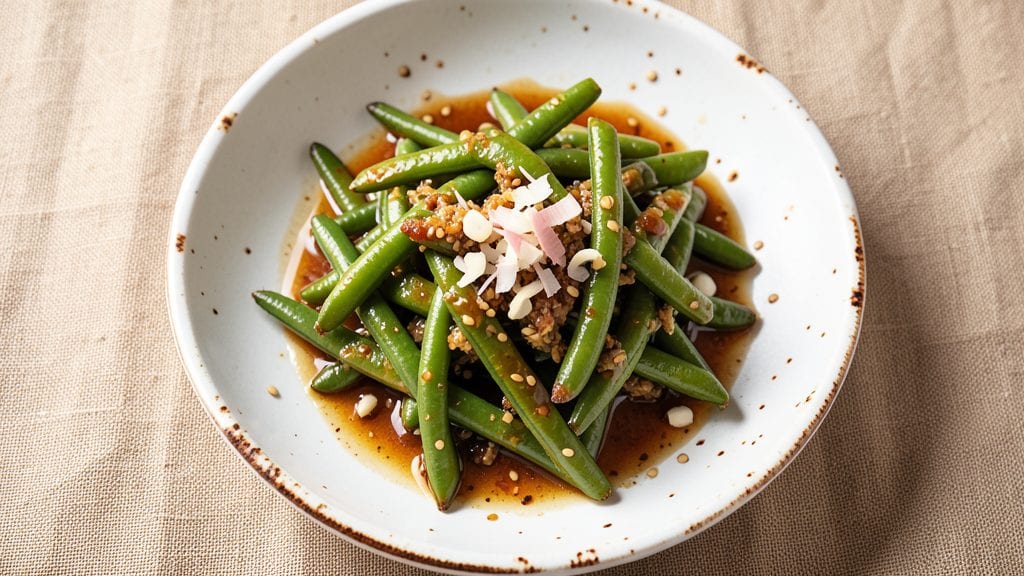
Recreating P.F. Chang's fried green beans sauce at home delivers that signature umami-packed sesame soy glaze that elevates every bite. This sauce transforms simple green beans into a restaurant-quality dish with its perfect balance of salty, sweet, and nutty flavors.
I've perfected this recipe through multiple batches, ensuring it's just as rich and flavorful as the original.
The key to achieving that authentic taste lies in a precise blend of ingredients: soy sauce for depth, sesame oil for aroma, garlic and ginger for warmth, and a touch of sugar to balance the flavors.
Simmering the sauce gently allows the ingredients to meld together, creating a glossy, sticky glaze that clings beautifully to the green beans. This sauce isn't just for green beans—it works wonders on chicken, shrimp, or even as a dipping sauce.
What you'll end up with is a sauce that's glossy, aromatic, and packed with layers of flavor—salty from the soy, nutty from the sesame, and slightly sweet from the sugar.
The texture is perfect for drizzling, tossing, or dipping, and it keeps well in the refrigerator for up to a week. This is the kind of sauce that turns an ordinary meal into something special.
Ready to create this umami-packed sauce that will have everyone asking for seconds? Here's everything you need to bring that P.F. Chang's flavor home.
Ingredients for pf chang's fried green beans sauce
Nine simple ingredients combine to create P.F. Chang's signature umami-packed sesame soy glaze.
| Ingredient | Amount | Notes |
|---|---|---|
| Light Soy Sauce 🍶 | ½ cup | Use high-quality light soy sauce |
| Sesame Oil 🫒 | 2 tbsp | Toasted sesame oil preferred |
| Garlic Cloves 🧄 | 4 cloves | Minced finely for smooth texture |
| Fresh Ginger 🌿 | 1 tbsp | Finely grated, not powdered |
| Granulated Sugar 🍚 | 2 tbsp | White or brown sugar works |
| White Vinegar 🍋 | 1 tbsp | Balances sweetness and acidity |
| Toasted Sesame Seeds 🌱 | 1 tbsp | For garnish and crunch |
| Vegetable Oil 🫒 | 1 tbsp | For simmering the sauce |
| Red Pepper Flakes 🌶️ | ½ tsp | Optional for subtle heat |
| Salt 🧂 | ½ tsp | Adjust to taste after simmering |
The foundation of this sauce lies in the quality of your soy sauce and sesame oil. Kikkoman light soy sauce is a reliable choice, but any high-quality brand will work. For sesame oil, La Choy or Kadoya are excellent options—just ensure it's toasted sesame oil, not the lighter, flavorless variety. Fresh ginger and garlic are non-negotiable here; powdered versions lack the depth of flavor. The ginger should be finely grated and bright yellow, while the garlic should be minced so finely it nearly disappears into the sauce. If you're short on time, pre-minced garlic from a jar works in a pinch, but fresh is always better. The sugar balances the saltiness, so don't skip it—even if you're using a low-sodium soy sauce, a touch of sweetness rounds out the flavors.
No sesame oil? Substitute 1 tbsp toasted peanut oil, though the flavor will shift slightly. Short on fresh ginger? Powdered ginger at half the amount works, but it won't have the same zing. The red pepper flakes are optional, but if you love heat, add them—just start with a pinch and taste as you go. The white vinegar might seem odd, but it cuts through the richness of the sesame oil and soy sauce, giving the sauce brightness. If you're avoiding vinegar, a splash of rice vinegar works just as well. For a smoother sauce, strain it through a fine-mesh sieve after simmering to remove any bits of garlic or ginger. If you're making this ahead of time, store the sauce without the sesame seeds and add them fresh when ready to serve for maximum crunch.
This sauce keeps beautifully in the fridge for up to 1 week, though it tastes best within the first 3 days. Store it in an airtight container, and if it thickens, simply stir in a splash of warm water to loosen it. The sauce reheats well—gently warm it on the stove over low heat, stirring constantly, until it's glossy again. It also freezes well for up to 3 months, making it perfect for meal prep. When reheating from frozen, thaw it in the fridge overnight first, then warm gently. The sauce thickens as it cools, so if it seems too thick when reheated, add a teaspoon of water at a time until it reaches your desired consistency.
Why You'll Love This Recipe
- Five-Ingredient Magic: I swear by this—just soy sauce, sesame oil, garlic, ginger, and sugar. That’s it. No fancy pantry trips, no hunting for obscure spices. The sauce practically makes itself while you chop (which, honestly, takes about two minutes).
- Umami Bomb: The moment that light soy sauce hits the pan with garlic and ginger? Chef’s kiss. That deep, savory punch cuts through greens like butter, but it’s the sesame oil’s nutty finish that makes it irresistible. I’ll take a forkful of these beans over any sad store-bought dressing.
- Weeknight Workhorse: Drizzle this over stir-fries, toss it with noodles, or even use it as a quick dipping sauce for dumplings. My lazy nights thank me every time—no last-minute ingredient scrambles, just this one sauce doing all the heavy lifting. (Yes, even on a Tuesday night.)
- Budget-Friendly Staple: A single batch costs me pennies but stretches for days. Freeze half the sauce in ice cube trays, and you’ve got instant flavor for future meals. No waste, no guilt—just pure, reliable deliciousness that won’t break the bank.
Step-by-step instructions for pf chang's fried green beans sauce
This umami-packed sauce delivers the signature balance of sweet, salty, and nutty flavors you crave.
Prepare the Aromatics
In a small bowl, finely mince the 4 cloves garlic cloves and grate the 1 tablespoon fresh ginger using a microplane or fine grater. The goal is to create a smooth paste—no visible chunks should remain. This texture ensures even distribution throughout the sauce. Set these aside while you prepare the remaining ingredients.
Real talk: Fresh ginger makes all the difference here. Powdered ginger lacks the bright, zesty kick that balances the sauce's richness. If you're using a microplane, hold the ginger at a slight angle to maximize surface area and create a fine, paste-like consistency.
Simmer the Base Ingredients
Heat the 1 tablespoon vegetable oil in a small saucepan over medium heat. Once shimmering, add the minced garlic and ginger, cooking for 30 seconds until fragrant. Immediately add the 0.5 cup light soy sauce, 2 tablespoons granulated sugar, 1 tablespoon white vinegar, and 0.5 teaspoon salt. Stir to combine.
Bring the mixture to a gentle simmer, then reduce heat to low and let it cook uncovered for 8-10 minutes. You're looking for the sauce to reduce by about one-third—it should thicken slightly and coat the back of a spoon. If it reduces too quickly, lower the heat further to prevent scorching. The sauce should smell deeply savory with a hint of sweetness.
Incorporate the Finishing Touches
Remove the saucepan from heat and stir in the 2 tablespoons sesame oil. This step should be done off the heat to prevent the oil from burning. Add the 0.5 teaspoon red pepper flakes (if using) and taste immediately. Adjust the seasoning with additional salt or sugar if needed—this sauce should be sweet, salty, and slightly tangy with a subtle heat from the pepper flakes.
Here's the thing—sesame oil adds depth and aroma, but it's delicate. Adding it off the heat preserves its nutty flavor without letting it overpower the sauce. If the sauce tastes too sharp, a pinch of sugar balances it. If it's too flat, a splash of vinegar brightens it up.
Finish and Garnish
Return the sauce to low heat and let it warm through for 1-2 minutes. Remove from heat once again and stir in the 1 tablespoon toasted sesame seeds. These add texture and visual appeal, giving the sauce a final crunchy element that contrasts with its smooth body.
Let the sauce sit for 5 minutes before serving—this allows the flavors to meld completely. The sauce should be glossy, slightly thickened, and aromatic, with a balance of sweetness, umami, and a touch of acidity. Serve immediately over fried green beans or use as a dipping sauce for dumplings and spring rolls.
Pro Tips For Making Pf Chang'S Fried Green Beans Sauce
- LOW AND SLOW ON GINGER: I learned this the hard way—frying fresh ginger too fast turns it bitter. Simmer it in the sauce on lowest heat for 3-4 minutes, stirring constantly, until it’s just softening, not browning. That’s when it releases its sweet, floral notes without overpowering the soy.
- MINCE GARLIC FINE: Skip the rough chop—this sauce needs garlic to dissolve, not sit as chunks. Use a sharp knife and press flat with the blade’s heel to make paper-thin slivers, then finely mince. If it’s still visible after cooking, your sauce will taste uneven.
- SALT THE SOY FIRST: Light soy sauce tastes flat when added raw. Mix it with a pinch of salt (about ¼ tsp per 2 tbsp soy) before heating—this balances the sweetness and cuts through the grease. I used to add it at the end, and the sauce always felt one-note.
- TOAST SESAME OIL LAST: Sesame oil burns faster than you’d think. Add it just before serving, swirling it in at the very end over low heat. If you cook it too long, you’ll end up with a bitter, smoky aftertaste instead of that nutty aroma. (Yes, even if you’re impatient like me.)
Creative variations of this recipe
Asian-Inspired Fusion
This sauce isn’t just for green beans—it’s a versatile Asian-inspired glaze that elevates grilled chicken skewers or stir-fried shrimp. Toss 1 pound boneless chicken thighs with 1 tablespoon cornstarch before grilling, then brush with the sauce during the last 2 minutes of cooking.
The sesame and soy create a sticky, caramelized crust that’s irresistible. 🍗
Spicy Thai Twist
For a Thai-inspired kick, add 1 tablespoon fish sauce and 1 teaspoon sambal oelek to the simmering base. The umami from the fish sauce deepens the flavor, while the sambal adds a fruity, fiery heat.
Serve over jasmine rice or drizzle on pad thai noodles for an instant upgrade. The balance of sweet, salty, and spicy mirrors classic Thai curry sauces.
Sweet & Tangy Dipping Sauce
Reduce the sugar to 1 tablespoon and add 1 tablespoon honey for a sweeter profile. Stir in 1 teaspoon rice vinegar and a pinch of ground white pepper to create a dipping sauce perfect for spring rolls or egg rolls.
The tangy-sweet combo cuts through fried foods beautifully, making it a crowd-pleaser at parties. 🍜
Umami Bomb Glaze
Boost the depth by adding 1 tablespoon miso paste (white or red) to the simmering base. The miso introduces a fermented, earthy richness that pairs perfectly with seared scallops or grilled salmon.
Simmer for an extra 5 minutes to let the miso meld into the sauce. This version tastes like a cross between teriyaki and miso glaze—pure umami magic.
Herb-Infused Variation
Swap the sesame seeds for 1 tablespoon chopped cilantro or Thai basil and add ½ teaspoon lime zest at the end. This bright, herbaceous twist works wonders on grilled pork chops or steamed dumplings.
The citrusy notes lift the dish, making it feel fresh and vibrant. Garnish with extra herbs and a sprinkle of crushed peanuts for texture.
Sweet Chili Adaptation
Replace the white vinegar with 1 tablespoon chili garlic sauce (like Huy Fong) and add 1 teaspoon honey for a sweet-chili glaze. This version is perfect for grilled chicken wings or tofu skewers.
The heat and sweetness create a sticky, addictive coating that’s ideal for appetizers. Serve with a side of cool cucumber slices to balance the spice.
Nutrition facts
Frequently asked questions
Can I make this sauce without sesame oil?
Yes! Substitute 1 tablespoon toasted peanut oil for the sesame oil, though the flavor will shift slightly toward nuttiness. For a completely different profile, try 1 teaspoon sesame paste (like tahini) mixed with 1 tablespoon water instead. The sauce will still taste delicious, just with a different aromatic depth.
How long does this sauce keep in the fridge?
The sauce stays fresh for up to 1 week when stored in an airtight container. It may thicken slightly over time—simply stir in a splash of warm water to restore its glossy consistency. For longer storage, freeze for up to 3 months, but thaw it in the fridge overnight before using.
What's the best way to use this sauce beyond green beans?
This versatile glaze works beautifully on grilled chicken, shrimp skewers, or even as a dipping sauce for spring rolls. Brush it on proteins during the last 2 minutes of cooking for a caramelized finish, or toss it with steamed veggies for extra flavor. The sweet-salty balance makes it perfect for almost any stir-fry or appetizer.
Can I make this sauce spicier?
Add ½ teaspoon extra red pepper flakes (or up to 1 teaspoon for serious heat) during the simmering stage. For a smoky kick, stir in ½ teaspoon smoked paprika at the end. Always taste as you go—start with less and adjust to your preference.
Why did my sauce turn bitter?
Overcooking or using too much sesame oil can cause bitterness. Keep heat at low-medium and simmer for only 8-10 minutes. If the sauce tastes bitter, balance it with ½ teaspoon extra sugar or a splash of rice vinegar. Fresh ingredients (especially ginger) are key—never use powdered substitutes.