
Side Dishes
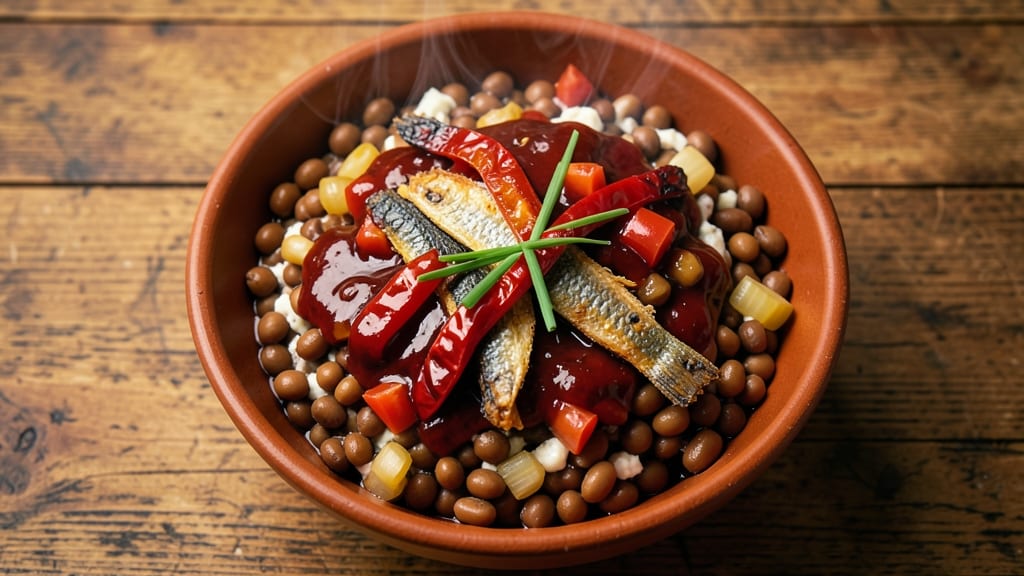
This Nigerian beans recipe delivers the rich, spiced tomato and palm oil depth that defines West African home cooking. The dish transforms simple black-eyed peas into a vibrant, aromatic stew with layers of umami from smoked fish and bold seasoning.
I developed this version after years of perfecting the balance between the earthy beans, tangy tomatoes, and the distinctive flavor of palm oil.
The key to authentic Nigerian beans lies in the slow cooking process, where the flavors meld together into a harmonious blend. You'll start with a deep-fried blend of onions and peppers that forms the flavor base, then build the stew with tomatoes, palm oil, and a carefully measured spice mix.
The smoked fish adds a smoky depth that's essential for that true West African taste.
What you'll end up with is a thick, flavorful stew with tender beans swimming in a rich, slightly tangy sauce. The aroma alone will transport you to a bustling Nigerian market, while the taste delivers that perfect balance of spice, sweetness, and umami.
This dish pairs beautifully with jollof rice, fufu, or pounded yam for a complete meal experience.
Ready in about 1 hour 15 minutes, this recipe transforms basic ingredients into a restaurant-quality side dish. The palm oil gives it that signature golden hue and rich flavor, while the smoked fish provides the depth that makes this dish unforgettable. Let's get cooking!
Ingredients for nigerian beans
Fourteen ingredients, one unforgettable flavor profile that brings West African markets to your kitchen.
| Ingredient | Amount | Notes |
|---|---|---|
| Black-Eyed Peas (Dried) 🌱 | 1 ½ cups | Uncooked, rinsed well |
| Red Bell Pepper 🌶️ | 1 whole | Seeded and sliced |
| Yellow Onion 🧅 | 1 whole | Medium size, sliced |
| Fresh Tomatoes 🍅 | 4 whole | Medium size, chopped |
| Palm Oil 🫒 | ½ cup | Red variety preferred |
| Smoked Fish (Dried) 🐟 | ½ lb | Like stockfish or mackerel |
| Ginger Root 🌿 | 1 tbsp | Fresh, grated finely |
| Garlic Cloves 🧄 | 4 cloves | Minced for flavor base |
| Scotch Bonnet Pepper 🌶️ | 1 whole | Seeds removed for mild heat |
| Ground Cumin 🌿 | 1 tbsp | Toasted for depth |
| Ground Nutmeg 🌿 | ½ tsp | Freshly grated preferred |
| Thyme Leaves 🌿 | 1 tbsp | Dried or fresh |
| Bay Leaves 🌿 | 2 whole | Crushed lightly |
| Salt 🧂 | 1 ½ tsp | Kosher or sea salt |
| Black Pepper 🌶️ | ½ tsp | Freshly ground |
Palm oil is the soul of this dish—red palm oil gives that signature rich hue and depth, while regular palm oil works in a pinch. Grab it at African markets or specialty stores like African & Caribbean Foods if you're lucky enough to have one nearby. The smoked fish? Stockfish or dried mackerel is traditional, but smoked salmon adds a nice twist if you're feeling adventurous. For the ginger and garlic, fresh is non-negotiable—they're the foundation of that aromatic base. Toast your cumin seeds in a dry pan for 30 seconds first, then grind them. Trust me, it makes all the difference.
No palm oil? Vegetable oil plus a pinch of paprika mimics the color, though you'll lose some of that authentic depth. Can't find smoked fish? Anchovies or even a dash of liquid smoke adds that umami punch. The Scotch bonnet is hot stuff—jalapeños or habaneros work if you're not into the heat. Fresh thyme? Dried at one-third the amount gets you close. The tomatoes can be canned (San Marzano if you've got 'em) or fresh—just make sure they're ripe. And if you're using dried black-eyed peas, soak them overnight. It's worth the extra time for tender beans.
This stew tastes even better the next day as the flavors meld. Keeps in the fridge for 5 days or freeze portions for 3 months. I like to double the recipe and freeze half—perfect for lazy weeknights. The palm oil solidifies when cold, so reheat gently on low heat. Serve with jollof rice or fufu, and don't forget the extra palm oil drizzle on top. That's the real magic right there.
Why You'll Love This Recipe
- I’ll be real: dried black-eyed peas here don’t require pre-soaking. Just a quick rinse, then simmer—no waiting around. That’s 30 minutes saved right there, and the texture still turns out tender and rich.
- No-Soaking Needed: I’ll be real: dried black-eyed peas here don’t require pre-soaking. Just a quick rinse, then simmer—no waiting around. That’s 30 minutes saved right there, and the texture still turns out tender and rich.
- Umami Bomb Combo: The palm oil and red bell pepper? Absolute magic. The oil gives this dish that deep, earthy richness, while the pepper adds a subtle heat that lingers. Honestly, it’s the kind of flavor that makes you pause mid-bite.
- Weeknight to Party Upgrade: Same recipe, different vibes. Serve it with jollof rice for a casual Tuesday night, or plate it with puff-puff and plantains for a Sunday gathering. The beans stretch far enough to feed a crowd, but still taste like you slaved over it.
Step-by-step instructions for Nigerian beans recipe
This rich, spiced tomato and palm oil bean stew comes together with layers of flavor you won't find anywhere else.
Soak and Prepare the Black-Eyed Peas
Rinse the 1.5 cups black-eyed peas thoroughly under cold water to remove any debris. Place them in a large bowl and cover with plenty of water—at least 4 cups. Let them soak for 8-12 hours or overnight. This step is crucial because dried beans need proper hydration to cook evenly and avoid that tough, chalky texture.
After soaking, drain the peas and give them another quick rinse. Transfer them to a pot and cover with fresh water—about 6 cups. Bring to a boil over medium-high heat, then reduce to a simmer. Cook for 45-60 minutes until the peas are tender but not mushy. You'll know they're ready when they're soft enough to crush between your fingers but still hold their shape. Keep an eye on the water level and add more as needed to prevent burning.
Build the Flavor Base with Palm Oil and Aromatics
In a large, heavy-bottomed pot, heat the 0.5 cup palm oil over medium heat until it shimmers but doesn't smoke. Add the sliced red bell pepper and yellow onion, stirring occasionally for 5 minutes until they soften and release their natural sweetness. This step develops the foundation of your stew—don't rush it.
Add the minced 4 cloves garlic, grated 1 tbsp ginger root, and the seeds-removed scotch bonnet pepper. Stir for 1-2 minutes until the garlic becomes fragrant and the mixture sizzles. Be careful not to let the garlic burn—it should smell amazing but not bitter. Toss in the 1 tbsp ground cumin, 0.5 tsp ground nutmeg, 1 tbsp thyme leaves, and 2 crushed bay leaves, stirring for another 30 seconds to toast the spices and release their flavors.
Cook the Smoked Fish and Tomatoes
Break the 0.5 lb smoked fish into bite-sized pieces and add them to the pot. Let them cook for 3-4 minutes, stirring gently, until they begin to flake and release their smoky aroma. This step infuses the stew with that signature depth of flavor that makes this dish special.
Add the chopped 4 fresh tomatoes and stir well. Cook for 10-12 minutes over medium heat, allowing the tomatoes to break down and release their juices. The mixture should thicken slightly as it simmers, and you'll see a rich, red sauce forming. If it gets too thick too quickly, add a splash of water to keep it moving. This is where the magic happens—the tomatoes mingle with the palm oil and spices to create a complex, savory base.
Combine and Simmer the Stew
Drain the cooked black-eyed peas and add them to the pot with the tomato mixture. Stir in the 1.5 tsp salt and 0.5 tsp black pepper, then bring everything to a gentle simmer. Let it cook uncovered for 20-25 minutes, stirring occasionally, until the flavors meld and the stew thickens to your desired consistency. You want it rich but not gluey—adjust the thickness by adding a little water if needed.
Taste and adjust the seasoning. If it needs more heat, add a pinch of cayenne or a tiny bit of the scotch bonnet. If it needs more depth, a splash of water or even a spoonful of the palm oil can help balance the flavors. Once it's perfectly seasoned, remove the bay leaves and let the stew sit off the heat for 5 minutes to allow the flavors to settle. This resting period makes a huge difference in the final taste.
Serve with Traditional Sides
Ladle the stew into bowls and serve immediately with jollof rice, fufu, or swallow to soak up every last bit of that rich, spiced tomato and palm oil goodness. The stew should be warm, fragrant, and packed with layers of flavor—smoky from the fish, sweet from the tomatoes, and spicy from the scotch bonnet. Each bite should tell the story of its ingredients coming together in perfect harmony.
Don't forget to make extra—this dish tastes even better the next day as the flavors continue to develop. Store leftovers in the fridge for up to 3 days or freeze for 3 months for a quick, flavorful meal anytime you crave a taste of home.
Pro Tips For Making Nigerian Beans
- SOAK BEANS OVERNIGHT: I learned this the hard way—rushing the soak leaves your beans tough no matter how long you boil them. Use twice the water you’d normally measure (about 4 cups per 1 cup dried peas), cover, and let them sit 12+ hours. The longer they soak, the creamier the final stew. No time? At least do a 4-hour soak with a pinch of baking soda to soften them faster.
- BLISTER PEPPERS FIRST: Your red bell peppers won’t add the same depth if you just chop and toss them in raw. Heat a dry pan over medium-high and sear the whole peppers until charred in spots—about 5 minutes per side. Then chop them up; the smoky flavor cuts through the richness of the palm oil and balances the acidity of the tomatoes.
- SLOW-SIMMER THE TOMATO SAUCE: After blending your tomatoes, onions, and peppers, resist the urge to rush. Let that sauce cook uncovered on low heat for 20-30 minutes—until it’s thick enough to coat the back of a spoon. This isn’t just about reducing; it’s about breaking down the raw tomato acid so it doesn’t make your beans taste sour later. (Yes, even if you’re impatient like me.)
- STIR IN PALM OIL GRADUALLY: Dumping all your palm oil at once turns your stew into a greasy mess. Instead, add it in batches while stirring constantly—start with half, let it melt into the sauce, then add the rest. This keeps the texture smooth and prevents the oil from separating. And pro move: Warm the oil slightly before adding it to the pot; cold oil sinks and refuses to blend in properly.
Creative variations of these flavors
Yoruba-Style Ewedu
Replace black-eyed peas with 1 lb fresh jute leaves (ewedu), chopped finely. Blanch leaves in boiling water for 2 minutes, then shock in ice water. Sauté with 1 tbsp palm oil, 1 red bell pepper, and 1 onion until wilted.
Add 1 cup crayfish powder for umami depth and simmer for 15 minutes with 1 cup water. This Yoruba classic swaps beans for leafy greens while keeping the palm oil richness. 🌿
Ogbono Soup Fusion
Blend 1 cup ogbono seeds with 1 cup water into a smooth paste. Replace tomatoes with 2 cups ogbono puree and add 1 lb smoked mackerel for extra smokiness. Simmer for 30 minutes with 1 tsp locust beans for natural thickening.
This Igbo-inspired version transforms your beans into a velvety, nutty soup. The ogbono adds a unique earthy flavor that pairs perfectly with pounded yam. 🌶️
Spicy Peanut Variation
After cooking the beans, stir in ½ cup peanut butter and 1 tbsp gochujang for a Thai-Nigerian fusion. Add 1 red chili and 1 tbsp soy sauce to balance the richness.
Top with crushed peanuts and cilantro. This version brings nutty, spicy-sweet contrast that works beautifully with rice or plantain chips. The peanut butter replaces some palm oil while adding creaminess. 🥜
Vegetarian Adaptation
Skip the smoked fish entirely and add 1 cup chopped okra and 1 tbsp soy sauce for umami. Boost the spices with 1 tsp smoked paprika and ½ tsp garlic powder.
For protein, stir in 1 can chickpeas during the final 10 minutes of cooking. This version maintains all the rich flavors while making it fully plant-based. 🌱
Protein-Packed Chicken Version
Add 1 lb chicken thighs during the final 20 minutes of cooking. For extra depth, marinate the chicken in 1 tbsp palm oil, 1 tsp thyme, and ½ tsp nutmeg before adding.
The chicken absorbs all the spiced tomato flavors while adding tender protein. Serve with extra palm oil drizzled on top for that authentic touch. 🍗
Quick Weeknight Shortcut
Use 1 can (15 oz) black-eyed peas, drained, instead of dried beans. Reduce cooking time to 20 minutes in the stew. For extra richness, add 2 tbsp tomato paste with the spices.
This version cuts prep time by 1 hour while keeping all the authentic flavors. Perfect for busy weeknights when you still want that West African taste. ⏰
Nutrition facts
Frequently asked questions
Can I substitute palm oil in this Nigerian bean recipe?
Yes, but expect some flavor changes. For color, use vegetable oil plus 1 tsp paprika. For richness, try coconut oil (1:1 ratio), though it has a different taste. Palm oil's unique depth is hard to replicate—it's the heart of this dish!
How do I make this bean stew less spicy?
Reduce the Scotch bonnet pepper by half or remove seeds completely. For milder heat, swap it with bell peppers or jalapeños. Always taste as you go—you can't remove spice later! Adjust salt too, since removing heat may make flavors seem flatter.
What's the best way to store and reheat leftovers?
Store in an airtight container for up to 5 days in the fridge or 3 months frozen. Reheat gently on low heat with a splash of water—never microwave directly from frozen. The palm oil solidifies when cold, so reheating restores its rich texture.
Can I make this recipe without smoked fish?
For umami depth, use anchovies, liquid smoke, or soy sauce (1 tbsp). Vegetarian? Add crayfish powder (1 tbsp) or mushrooms to compensate. The smoky flavor is key, but these alternatives work in a pinch.
Why did my beans turn out mushy?
Overcooking is the usual culprit—beans should be tender but hold shape. Always soak overnight and cook at a gentle simmer. For extra control, use canned beans (drained) and add them later in cooking. The palm oil and tomatoes will help balance any texture issues.