
Side Dishes
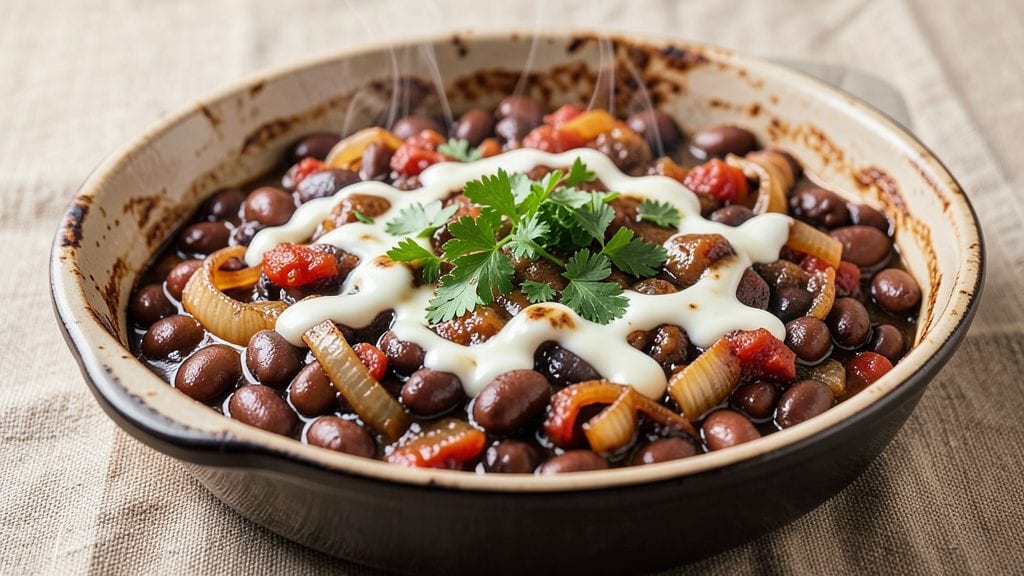
This Heinz-style baked beans recipe delivers the same rich, caramelized sweetness you love from the can—but made from scratch in your own kitchen. The slow-cooked process transforms simple ingredients into tender beans with deep, molasses-like flavor and perfectly caramelized onions.
I developed this version after years of perfecting the balance between smoky, sweet, and savory notes that make these beans irresistible alongside grilled meats or as a standalone dish.
What sets this recipe apart is the 30-minute caramelization of onions and bacon (if using), which builds layers of flavor that canned versions simply can’t match. The beans simmer for 2 hours in a rich broth of molasses, brown sugar, and spices, developing that signature tender texture and glossy surface.
This isn’t just a side dish—it’s a flavor-packed centerpiece that holds its own at any table.
The result is restaurant-quality baked beans with a deep, caramelized sheen and a perfect balance of sweetness and smokiness. Each bite delivers tender beans, crisp edges from the slow cook, and that unmistakable molasses richness.
Whether you’re serving them at a backyard barbecue or enjoying them as a hearty vegetarian main, these beans will become a staple in your rotation.
For extra depth, I’ve included optional variations like adding brown sugar for extra caramelization or swapping bacon for mushrooms. The recipe is vegetarian by default but easily customized—just add your choice of meat if desired. Let’s get cooking!
Ingredients for heinz baked beans
Sweet, smoky, and rich—these 14 ingredients transform into restaurant-quality baked beans.
| Ingredient | Amount | Notes |
|---|---|---|
| Navy Beans 🍲 | 1 ½ cups | Dried, soaked overnight |
| Yellow Onions 🧅 | 1 ½ cups | Diced, caramelized thoroughly |
| Vegetable Broth 💧 | 2 cups | Low-sodium preferred |
| Molasses 🍯 | ½ cup | Unsulphured for best flavor |
| Brown Sugar 🍚 | ½ cup | Light or dark variety |
| Tomato Paste 🍅 | ¼ cup | Smooth, no sugar added |
| Apple Cider Vinegar 🍎 | 2 tbsp | For tangy depth |
| Dried Mustard 🌶️ | 1 ½ tsp | Ground, not powdered |
| Ground Black Pepper 🌶️ | ½ tsp | Freshly cracked |
| Dried Thyme 🌿 | 1 tsp | Or 1 tbsp fresh |
| Bay Leaves 🍃 | 2 whole | Removed before serving |
| Vegetable Oil 🫒 | 2 tbsp | For caramelizing onions |
| Sea Salt 🧂 | 1 ½ tsp | Diamond Crystal preferred |
| Optional Brown Sugar 🍚 | ¼ cup | For extra caramelization |
| Optional Mushrooms 🍄 | 1 cup | Sliced, replaces bacon |
The molasses and brown sugar are the flavor anchors here. Grab unsulphured molasses from the baking aisle—it’s sweeter and deeper than sulphured. Trader Joe’s and Whole Foods carry good options, but any baking section will have it. For the onions, yellow or red work best—their natural sweetness caramelizes beautifully. If you’re using mushrooms as a bacon substitute, cremini or shiitake add the most umami. The navy beans? Soak them overnight—this cuts cooking time and makes them extra tender.
No molasses? Maple syrup at half the amount works, but the flavor won’t be identical. Short on brown sugar? White sugar plus a pinch of cinnamon gets you close. The tomato paste can be swapped for crushed tomatoes (1 cup), but you’ll lose that concentrated umami. For the dried mustard, stone-ground mustard powder is ideal—it’s more flavorful than the powdered kind. If you’re using fresh thyme, double the amount of dried. The apple cider vinegar adds a bright tang—substitute lemon juice if needed.
These beans taste even better the next day as flavors meld. Store in an airtight container in the fridge for up to 5 days. For longer storage, freeze portions in 1-cup increments—they reheat beautifully. The caramelized onions keep separately for 5 days in the fridge, so you can prep ahead. Double the batch and freeze half—perfect for game day or potlucks. The optional mushrooms or extra brown sugar can be added anytime before serving.
Why You'll Love This Recipe
- Five-Ingredient Magic: I swear by this list—navy beans, onions, broth, molasses, and brown sugar. That’s it. No fancy prep, no last-minute grocery runs. Honestly, I keep a can of beans and a bottle of molasses in my pantry just for this.
- Sweet-Savory Balance: The molasses and brown sugar give it that rich, caramelized depth, while the onions add a subtle sharpness. It’s not too sweet, not too salty—just right. My husband licks the pan when I’m not looking.
- Meal Prep MVP: Make a big batch on Sunday, and you’ve got breakfast, lunch, or a side for days. Spread it on toast for a quick snack, or pile it over rice for a hearty dinner. Even my picky teen eats it straight from the pot.
- Budget-Friendly Powerhouse: A can of beans and a few pantry staples feed four for under $3. That’s dinner covered without breaking the bank. Between us, this is how I stretch my grocery money—and my patience on busy nights.
Step-by-step instructions for slow-cooked sweet baked beans
Transform simple navy beans into rich, caramelized baked beans with deep molasses flavor and tender onions.
Caramelize the Yellow Onions Thoroughly
Heat the 2 tablespoons vegetable oil in a large Dutch oven over medium-low heat. Add the 1.5 cups diced yellow onions and cook them slowly, stirring occasionally, until they develop a deep golden-brown color and sweet aroma—this should take about 30-40 minutes. Real talk: patience here makes all the difference. You'll know they're ready when the onions stick slightly to the pan and smell intensely sweet.
If you're using the 1 cup optional mushrooms, add them during the last 10 minutes of caramelizing. Their earthy flavor pairs beautifully with the sweet onions. Once fully caramelized, remove the onions from the pan and set aside—you'll use them later to build flavor depth.
Build the Bean Base with Molasses and Spices
In the same Dutch oven, add the 0.25 cup tomato paste and cook it for 2-3 minutes over medium heat, stirring constantly, until it darkens slightly and releases its rich umami flavor. This is your flavor anchor—don't skip this step.
Next, whisk in the 0.5 cup molasses and 0.5 cup brown sugar, followed by the 2 cups vegetable broth, 2 tablespoons apple cider vinegar, 1.5 teaspoons dried mustard, 0.5 teaspoon ground black pepper, 1 teaspoon dried thyme, and 2 whole bay leaves. Bring this mixture to a gentle simmer, stirring until everything is fully incorporated and the sugars begin to dissolve.
Add the Soaked Navy Beans and Season
Gently fold in the 1.5 cups soaked navy beans (drained but not rinsed) and the caramelized onions (plus mushrooms if using) into the simmering liquid. Sprinkle in the 1.5 teaspoons sea salt and the 0.25 cup optional brown sugar if you want extra caramelization. Stir well to ensure every bean is coated with the sweet, tangy sauce.
Here's the thing—don't stir the beans too vigorously after this point. Gentle stirring prevents breaking the beans and helps maintain their texture. The goal is to create a thick, glossy sauce that clings to each bean.
Slow-Cook Until Tender and Thick
Cover the Dutch oven and transfer it to a preheated 325°F oven. Cook the beans for 2.5 to 3 hours, checking occasionally to ensure the liquid doesn't evaporate completely. If it starts to dry out, add 2-3 tablespoons of water to maintain moisture. You're aiming for beans that are fork-tender but still hold their shape—when a bean easily pierces with a fork, it's ready.
The beans should reduce into a thick, saucy consistency with a glossy sheen. If the sauce isn't thick enough by the end, simmer it uncovered for an additional 10-15 minutes to evaporate excess liquid. The final texture should be rich and clingy, not watery.
Rest and Serve with Perfect Texture
Remove the beans from the oven and let them rest, covered, for 15-20 minutes. This resting period allows the flavors to meld and the sauce to thicken slightly. Before serving, discard the 2 whole bay leaves—they've done their job.
Ladle the beans into serving dishes and garnish with a sprinkle of freshly cracked black pepper for brightness. These beans are best served warm, with their deep caramelized sweetness balanced by the tangy molasses and savory spices. Pair them with cornbread or crusty rolls to soak up every last bit of that luscious sauce.
Pro Tips For Making Heinz Baked Beans
- Soften Onions First: Slice those yellow onions thin—like paper—and let them sit in cold water for 10 minutes before draining. This cuts down on bitter flavor and speeds up cooking so they melt into the beans instead of sitting like chewy chunks. (Yes, even if you’re impatient like me.)
- Simmer, Don’t Boil: After adding the molasses and brown sugar, keep the heat at a gentle simmer—not a rolling boil. I learned this the hard way when my beans turned gluey and the sugar burned. A low simmer lets the flavors marry without turning the broth into syrup.
- Skip the Crowding: Don’t dump all the navy beans into the pot at once. Layer them in batches, stirring between additions, so they absorb the broth evenly. Crowding them leads to uneven cooking—some mushy, some still rock-hard. (Your future self will thank you.)
- Stir in Molasses Last: Add the molasses after the onions and broth have simmered for 15 minutes. This lets the sweetness integrate smoothly instead of clinging to the bottom like a sticky mess. Stir it in slowly—you’ll want to taste as you go. (And yes, a little more sugar won’t hurt.)
Pro cooking tips for heinz baked beans
Caramelize Like a Pro
That 30-minute onion caramelization is where the magic happens. Use a large Dutch oven with medium-low heat—this prevents burning while building deep sweetness. I swear by yellow onions for their natural sugar content, but red onions add a subtle tang.
For extra depth, add 1 cup sliced mushrooms in the last 10 minutes—they soak up the caramelized flavors beautifully. 🌶️
Watch for the onions to turn deep golden-brown and stick slightly to the pan. If they darken too quickly, reduce heat immediately. This step is worth the wait—rushed caramelization means flat flavor.
Pro tip: Place a splash of water in the pan while caramelizing to prevent sticking without diluting the sweetness.
Molasses Matters
Never use sulphured molasses—it’s bitter and overpowering. Unsulphured molasses (found in baking aisles) delivers that deep, caramel-like richness Heinz-style beans are known for. I measure ½ cup for this recipe, but don’t skimp—it’s the soul of the dish.
If you’re out, maple syrup works in a pinch (use ¼ cup), but the flavor won’t be identical. 🍯
Whisk the molasses with brown sugar and tomato paste until fully dissolved—this creates a glossy, thick base that coats every bean. I like to simmer this mixture for 2-3 minutes to deepen its umami before adding broth. This step is non-negotiable for that restaurant-quality sheen on the finished beans.
Slow Cook for Texture
The 2.5- to 3-hour oven cook at 325°F is critical for tender beans with a thick, clingy sauce. Unlike stovetop methods, the oven ensures even heat distribution and prevents scorching.
I check the beans every 30 minutes—if the liquid reduces too much, add 2-3 tablespoons of water to maintain moisture. The goal is fork-tender beans that hold their shape but break easily. 🔥
If your beans aren’t thick enough after baking, uncover the pot and simmer on the stovetop for 10-15 minutes to evaporate excess liquid. The sauce should coat the back of a spoon—this is the glossy finish that makes these beans irresistible. Over-simmering can make them mushy, so monitor closely.
Avoid Common Mistakes
Over-stirring breaks the beans and releases starches, thinning the sauce. After adding the beans, stir once gently to coat them, then let them cook undisturbed. Another mistake? Skipping the rest time—those 15-20 minutes off heat let flavors meld and the sauce thicken naturally. I’ve seen rushed versions where the beans are dry or the sauce is watery—don’t be that cook! ⏰
Also, don’t salt the beans too early. Add the 1.5 teaspoons sea salt after the beans are in the pot—this prevents them from absorbing too much liquid and becoming mushy. And always discard the bay leaves before serving—they’re bitter when overcooked.
Nutrition facts
Frequently asked questions
Can I make these baked beans without molasses?
You can substitute ¼ cup maple syrup for the molasses, but the flavor won't be identical. The molasses provides that signature deep, caramel-like sweetness that's key to Heinz-style baked beans. For a closer match, try a mix of ½ cup brown sugar and 2 tablespoons honey, though it'll be slightly less rich.
How do I prevent the beans from getting mushy?
Don't over-stir after adding the beans—they need to cook undisturbed to maintain texture. Also, add the 1.5 teaspoons salt after the beans are in the pot, not earlier. This prevents them from absorbing too much liquid. The 2.5- to 3-hour slow cook at 325°F is ideal for tender-but-firm beans. If they're still firm after baking, simmer uncovered for 10-15 minutes to thicken the sauce without overcooking.
Can I use canned beans instead of dried?
Yes! For a quicker version, use 3 (15-oz) cans navy beans, drained and rinsed. Reduce the broth to 1 cup and simmer the mixture for 1.5-2 hours instead of baking. The texture will be slightly softer, but still delicious. For best results, add the beans after the onions and sauce have simmered for 15 minutes to let them absorb flavors.
What's the best way to reheat leftover baked beans?
Reheat in a saucepan over low heat, adding 1-2 tablespoons water to prevent drying. Stir occasionally until warmed through (5-7 minutes). For microwave reheating, cover with a damp paper towel and heat in 30-second intervals, stirring between each. The beans taste even better reheated as flavors meld further. Store leftovers in an airtight container for up to 5 days.
Can I make these beans vegetarian?
Absolutely—the recipe is vegetarian by default! For extra depth, swap the bacon for 1 cup sliced mushrooms (added during caramelization) or ½ cup smoked paprika for a meaty flavor. The molasses and brown sugar provide natural sweetness, while the mustard and vinegar add tangy balance. These beans shine as a hearty vegetarian main with cornbread or crusty rolls.