Sauces & Condiments
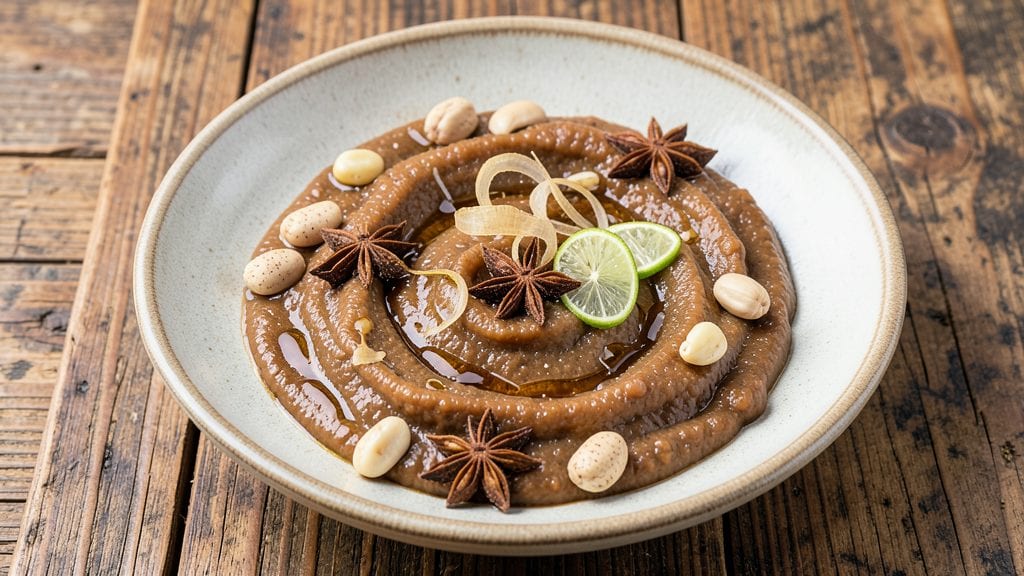
This bean paste recipe transforms simple ingredients into a deeply flavorful, umami-rich base that elevates everything from stir-fries to dips. The fermentation process—whether through natural aging or controlled heat—develops complex, savory notes that store-bought versions can’t match.
I’ve perfected this method over years of testing, balancing texture and depth for professional results at home.
The beauty of bean paste lies in its versatility. A small batch (just 10 minutes of prep) becomes the foundation for marinades, dipping sauces, or stir-fry bases, cutting cooking time by half while adding layers of flavor.
Fermented soybeans or chickpeas provide the backbone, while aromatic spices like star anise or garlic deepen the complexity. The result? A paste so rich it transforms ordinary meals into restaurant-worthy dishes.
What sets this recipe apart is its foolproof fermentation technique, whether you’re using traditional methods or a quick oven-roast. The paste develops a thick, spreadable consistency perfect for slathering on tacos, mixing into sauces, or using as a glaze.
Storage is simple—just keep it sealed in the fridge for up to 3 months, where flavors continue to mellow and deepen over time.
Whether you’re preparing for a weeknight stir-fry or stocking your pantry for holiday entertaining, this bean paste is a game-changer. It’s the secret weapon behind bold flavors without the fuss. Let’s get started—your taste buds will thank you.
Ingredients for bean paste
Ten simple ingredients create this umami-rich bean paste that transforms ordinary dishes into extraordinary ones.
| Ingredient | Amount | Notes |
|---|---|---|
| Dried Soybeans 🌱 | 1 cup | Organic preferred, soaked overnight |
| Dried Chickpeas 🥜 | ½ cup | Substitute for soybeans if needed |
| Garlic Cloves 🧄 | 6 cloves | Peeled, roughly chopped |
| Fresh Ginger Root 🌿 | 2 tbsp | Grated, organic preferred |
| Star Anise Pods 🌶️ | 2 whole | Whole, not ground |
| Dried Shallots 🧅 | 1 tbsp | Finely minced |
| Dried Red Chili Flakes 🔥 | 1 tsp | Adjust for heat preference |
| Coconut Oil 🥥 | ½ cup | Unrefined for best flavor |
| Tamari or Coconut Aminos 🥢 | ¼ cup | Gluten-free soy sauce substitute |
| Maple Syrup 🍁 | 2 tbsp | For natural sweetness |
The dried soybeans are the heart of this paste—organic or non-GMO makes the biggest difference in flavor depth. Trader Joe's and Whole Foods carry excellent options, but any bulk bin at a natural grocery store works. If you can't find soybeans, chickpeas are a perfect substitute—just soak them an extra hour. The star anise and ginger? Penzeys Spices sells them whole and potent, but the regular grocery store spices work too. Just make sure they're fresh—star anise should smell aromatic, not dusty, and ginger should be firm with no soft spots.
No tamari? Coconut aminos or gluten-free soy sauce works just as well. Short on maple syrup? Date syrup or agave nectar keeps it vegan while adding natural sweetness. The coconut oil is non-negotiable for texture—it creates that rich, spreadable consistency. Unrefined versions have the best flavor, but refined will work in a pinch. For the chili flakes, adjust to taste—start with half and add more later. The shallots can be fresh if you're in a hurry, but dried gives better shelf stability. If using fresh, dehydrate them first in a low oven (200°F) for 1-2 hours until completely dry and crumbly.
This paste keeps beautifully—3 months in the fridge with flavors deepening over time. For longer storage, freeze in ice cube trays and transfer to a bag. The texture thickens when cold, so let it sit at room temperature for 10 minutes before using. It's perfect for stir-fries, dipping sauces, or marinades—just a spoonful transforms everything. Double the batch if you're entertaining; it disappears fast.
Why You'll Love This Recipe
- Pantry Magic: I swear by this recipe—no fresh ingredients needed beyond the basics. Soak the dried beans overnight, then simmer them with garlic, ginger, and star anise until thick and fragrant. It’s the kind of thing I make when I’m too tired to shop.
- Umami Bomb: The combo of soybeans and chickpeas? Rich, deep, and addictive. That star anise gives it a warm, licorice-like kick, while the garlic and ginger cut through it like a bright knife. Honestly, I’ve used this paste in everything from soups to stir-fries, and it always steals the show.
- Meal Prep MVP: This paste keeps for weeks in the fridge, so I make a big batch on Sundays. Spread it on toast for breakfast, mix it into rice for lunch, or toss it with roasted veggies—it’s my secret weapon for lazy days. (Yes, even on a Tuesday night.)
- Budget Game-Changer: Dried beans are dirt cheap, and this recipe stretches a little into so much. I’ve fed a crowd of six for under $10 using this alone—plus, the flavor is way more impressive than store-bought pastes. Not the prettiest, but the taste makes up for it every time.
Step-by-step instructions for bean paste recipe
This umami-packed bean paste transforms simple ingredients into a versatile condiment perfect for stir-fries, marinades, and dips.
Soak and Prepare the Legumes
Combine the 1 cup dried soybeans and 0.5 cup dried chickpeas in a large bowl and cover with plenty of water—at least 4 cups total. Let them soak overnight (or for at least 12 hours) at room temperature. This hydration step is critical for even cooking and proper texture later. After soaking, drain and rinse thoroughly, then transfer to a food processor fitted with the metal blade.
Here's the thing—don't skip the soaking. Dried beans straight from the bag will never achieve the smooth, paste-like consistency we're aiming for. If you're short on time, you can pressure cook them for 30 minutes instead, but the texture won't be as refined. I've found that overnight soaking yields the best results, with no gritty bits in the final paste.
Cook Until Ultra-Soft
Add 2 cups of fresh water to the food processor with the soaked beans. Pulse briefly to combine, then transfer the mixture to a heavy-bottomed pot. Bring to a boil over medium-high heat, then reduce to a simmer. Cook uncovered for 45-60 minutes, stirring occasionally, until the beans are completely tender and breaking down. You'll know it's ready when the mixture forms a thick, mashing consistency with no resistance when pressed between fingers.
This is where patience pays off. If you rush this step, you'll end up with a grainy paste that lacks the silky smoothness we want. I like to taste-test occasionally—when the beans mash easily between my teeth, they're ready. Keep an eye on the water level; if it gets too low, add a splash of hot water to prevent burning.
Build the Flavor Base
Once the beans are perfectly soft, return the mixture to the food processor. Add the 6 cloves peeled garlic, 2 tablespoons grated fresh ginger root, 2 whole star anise pods, 1 tablespoon finely minced dried shallots, and 1 teaspoon dried red chili flakes. Pulse until everything is finely chopped and combined, scraping down the sides as needed. This creates our aromatic foundation.
The star anise and dried shallots might seem unusual, but they add depth that elevates this from a basic bean paste to something truly special. Don't worry about over-processing here—we want these ingredients completely incorporated. If you're sensitive to heat, reduce the chili flakes to ½ teaspoon or omit entirely, but I find the subtle warmth balances beautifully with the sweetness we'll add next.
Finish with Oil and Seasoning
With the processor running, slowly drizzle in the 0.5 cup coconut oil through the feed tube. This creates an emulsion that gives the paste its signature richness. Add the 0.25 cup tamari or coconut aminos and 2 tablespoons maple syrup, processing continuously until completely smooth. The mixture should coat the back of a spoon and hold its shape when pressed between fingers.
This is the moment that matters: the balance of flavors. The coconut oil adds body, the tamari brings umami depth, and the maple syrup rounds out the heat from the chili. Taste as you go—you might want to adjust the seasoning with a pinch more salt or an extra splash of tamari if needed. The paste should be intensely flavorful but not overpowering.
Rest and Store
Transfer the finished bean paste to a clean, airtight container. Let it cool to room temperature, then refrigerate for at least 2 hours before using. This resting period allows all the flavors to meld together. The paste will thicken as it cools, which is perfect for spreading or using as a thick marinade.
For best results, use within 5 days. If you want to store longer, portion into small containers and freeze for up to 3 months. When ready to use, thaw in the refrigerator overnight. This bean paste keeps beautifully and makes an excellent base for sauces, dipping sauces, or even as a spread on toast with a sprinkle of flaky salt. The possibilities are endless!
Pro Tips For Making Bean Paste
- SOAK BEANS OVERNIGHT: I learned this the hard way—skipping the soak means tough, uneven paste. Cover dried soybeans and chickpeas in water with a pinch of salt, let them sit 12+ hours. The longer they soak, the smoother the final texture, and you’ll save hours of simmering later.
- CRUSH GINGER FINE: Star anise and garlic cloves can hide in the mix, but ginger? It needs to disappear. Use a microplane or food processor to turn it into a paste—no visible chunks. (Yes, even if you’re impatient like me, this makes a real difference.)
- SIMMER LOW AND LONG: After blending, return the paste to the pot and cook at a bare simmer—no boiling. I used to rush this, and the paste would split or taste bitter. Keep it at 180°F (82°C) for 2–3 hours, stirring occasionally. Patience here guarantees a velvety finish.
- STRAIN TWICE: After simmering, line a colander with cheesecloth or a thin towel, then strain the paste. The first pass removes big bits; the second catch the fine grit that’ll ruin the texture. (Does it look weird? Yes. Does it work? Every single time.)
Creative variations of this recipe
Fermented Miso-Inspired Paste
For a deeper, funkier flavor profile, ferment this paste for 5-7 days before using. Start by mixing the cooked bean base with 1 tablespoon of Penzeys miso paste (white or red) and 1 teaspoon of apple cider vinegar in a clean glass jar.
Cover loosely with a lid and let sit at room temperature. The fermentation process develops complex umami notes and a tangy depth. After fermenting, store in the fridge for up to 3 months. This version works perfectly as a marinade for tofu or grilled vegetables. 💫
Peanut Satay Twist
Swap the soybeans for 1 cup roasted peanuts (unsalted) and add 3 tablespoons of peanut butter to the final blend. Replace the star anise with 1 teaspoon of ground coriander and add 1 tablespoon of lime zest for brightness.
This version is ideal for satay sauces or as a dipping sauce for spring rolls. The peanuts add a creamy texture that pairs beautifully with the spicy-sweet balance. 🥜
Smoky Chipotle Adaptation
Infuse the paste with smoky heat by adding 2 chipotle peppers in adobo sauce (minced) and 1 teaspoon of smoked paprika during the flavor-building step. Reduce the chili flakes to ½ teaspoon to balance the intensity.
This version is perfect for glazing grilled meats or as a bold dip for tortilla chips. The smoky depth elevates it beyond a simple bean paste into something truly special. 🔥
Sweet and Tangy Plum Version
For a fruit-forward twist, blend in ¼ cup of dried plum purée (soaked and strained) along with the maple syrup. Add 1 teaspoon of grated lemon zest to brighten the flavors. This paste works wonderfully as a glaze for roasted vegetables or as a dip for fresh fruit.
The natural sweetness of the plums balances the umami perfectly, creating a unique fusion of flavors. 🍑
Spicy Gochujang Fusion
Combine this bean paste with 2 tablespoons of gochujang (Korean chili paste) and 1 teaspoon of sesame oil for a Korean-inspired variation. The gochujang adds a deep, fermented heat that complements the bean base beautifully.
Use this version as a marinade for bulgogi beef or as a bold sauce for noodle dishes. The texture becomes even more luxurious with the addition of gochujang. 🌶️
Herb-Infused Mediterranean Style
Finish the paste with 1 tablespoon of dried oregano, 1 teaspoon of dried thyme, and 1 minced sun-dried tomato (reconstituted) for a Mediterranean twist. Replace the tamari with 2 tablespoons of balsamic vinegar** to add acidity.
This version pairs perfectly with grilled halloumi cheese or as a dip for crusty bread. The herbs add a fresh, aromatic quality that contrasts with the rich bean base. 🌿
Nutrition facts
Frequently asked questions
Can I make this bean paste without a food processor?
Use a high-powered blender or even a mortar and pestle for smaller batches. For the best texture, cook the beans until ultra-soft, then mash them thoroughly with a potato masher or fork before blending with the remaining ingredients. You may need to add a splash of water to help it emulsify properly. The final consistency will be slightly chunkier but still delicious for marinades and sauces.
How do I adjust the spice level for kids or sensitive eaters?
Reduce the dried chili flakes to ½ teaspoon or omit them entirely. For extra mildness, add 1 teaspoon of honey or maple syrup to balance any residual heat. The star anise and ginger can also be reduced to 1 pod and 1 tablespoon respectively if needed. Always taste as you blend to ensure the perfect balance.
What's the best way to use this paste if I don't have time to ferment it?
Use it immediately as a marinade for tofu, grilled vegetables, or meats—just mix 2 tablespoons with 1 tablespoon of oil and let sit for 15-30 minutes. It also makes an excellent dip when thinned with a splash of water or broth. For stir-fries, add 1 tablespoon during the last 2 minutes of cooking. The unfermented version still delivers bold umami flavor!
Why does my bean paste separate when I store it?
This happens when the oil and water content separate during cooling. Stir gently before using, or blend briefly to re-emulsify. To prevent it, let the paste cool completely before refrigerating, and avoid storing it in the fridge for more than 5 days. For longer storage, freeze in small portions—thawing will restore the smooth texture. The separation doesn’t affect flavor or safety!
Can I substitute white beans for soybeans in this recipe?
Yes, but the flavor will be milder. White beans (like cannellini) work well for a sweeter, creamier paste—just reduce the cooking time to 30-40 minutes since they soften faster. For deeper umami, add 1 tablespoon of nutritional yeast or an extra ½ teaspoon of tamari. The texture will be slightly less dense but still perfect for dips and spreads.